
How Has the Third Wild Card Changed the Trade Deadline?
A third Wild Card spot and growing parity in MLB has increased the amount of contenders. How has this changed the trade deadline?
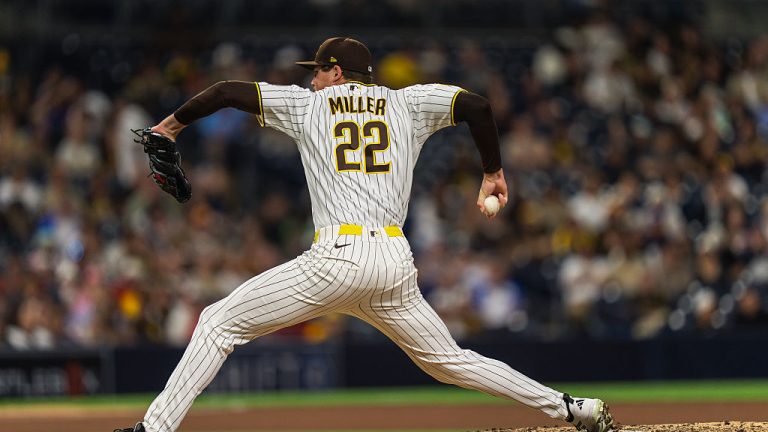
Implemented in 2022, a third Wild Card spot was added to each league in the postseason, expanding the total playoff pool to 12 teams.
With the growing parity around the league, it seems like any team could go on a run and surge into playoff contention.
In the American League, there are just four teams over .500, with the following six teams within one win of each other. It’s feasible that all 15 American League teams are vying for a playoff spot, with the last-place Royals still just 7 games out of a Wild Card spot.
It doesn’t get much more cut-and-dry in the National League, with only three teams out more than six games.
The tight competition muddies the water as August 3 approaches, with teams unsure how they should approach the trade deadline. Should they buy or sell?
Front offices will have to be brutally honest with themselves and decide whether to go all in or tear it down and retool for the future. It’s a dilemma that, in this current landscape, over two-thirds of clubs will have to solve.
There are three near-playoff locks in the Dodgers, Brewers, and Yankees, three bottom-feeders in the Rockies, Giants, and Mets, and 24 other teams frantically attempting to carve out a clearer picture in just over a month of play.
Stats recorded prior to play on June 29
Precedent
Looking at the past two seasons, a select few teams on the edge contemplate how to attack the trade deadline. Since the chaotic 2021 trade deadline, the buyer’s market has become increasingly more slim and last-minute, with teams that were previously out of the race still clinging on to hope.
Recent Trade Deadlines
In 2024, the Tigers opted to sell off a key rotation piece in Jack Flaherty to the Dodgers, five games back and three games under .500. They went on to get hot down the stretch, winning an American League-leading 35 games after July to make the playoffs. The lackluster October rotation certainly could’ve used Flaherty, coming one game short of moving on to the ALCS.
The Mariners acquired a handful of pieces, including the aforementioned Arozarena, giving up notable prospects, including our current 49th-ranked prospect, Brody Hopkins, and Aidan Smith. Seattle would finish just one game out of a Wild Card spot behind Detroit.
On another note, the Twins, owning the fourth-best record in the American League, stood pat and ended up falling four games out of a playoff spot.
In this 12-playoff team landscape, buying, selling, and keeping could be risky, as seen by these three situations in 2024. Buying could result in losing key prospects just to fall out of the race, and selling could lead to being short-handed in a playoff run. There’s inherent risk in either route that teams go.
Last season proved that the market is really in the hands of the sellers.
With pitchers in particular, teams derived as much value out of bullpen arms as ever before. The Athletics garnered a top 10 prospect in Leo De Vries for Mason Miller, Jhoan Duran came at the price of top 100 prospect Eduard Tait and Mick Abel, and Dustin May drew out 2024 13th overall pick James Tibbs III.
All of these trades happened on the last day of the trade deadline, with contenders frantic in a short window to add pieces for their playoff pushes, and sellers taking advantage of their haste.
Identifying the Buyers and Sellers
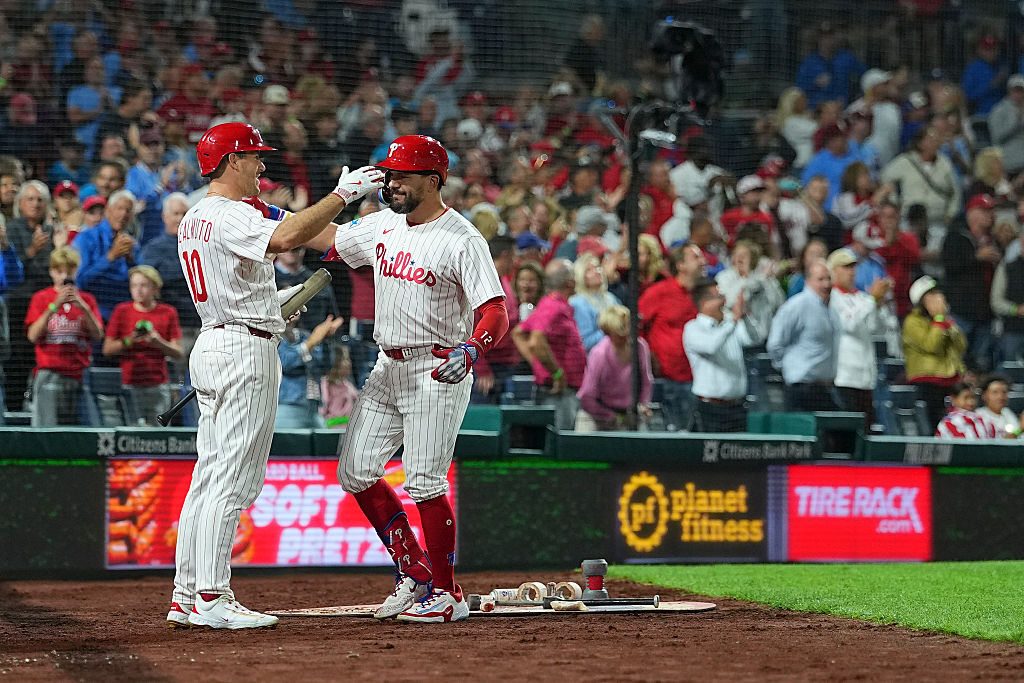
There are certainly levels to the madness, with contention windows closing and opening, causing urgency to push toward contention or to look to the future.
Several teams should be inherently aggressive, like the recently stumbling Braves, the aging Phillies, and the injury-riddled Cubs. Alongside them, the Mariners, Blue Jays, Astros, and Rangers are unlikely sellers with their cores at or nearing the end of the peaks of their powers.
In another boat, the young, up-and-coming White Sox, Athletics, Marlins, and Nationals have little reason to sell, without any notable expiring contracts on their roster.
That leaves 13 teams left to decipher whether they will buy or sell leading up to the August 3 deadline.
Tampa Bay Rays (48-33)
The Rays led the AL East for a good chunk of the year, but have won just 10 of their last 28 games, though still holding the top Wild Card spot in the AL.
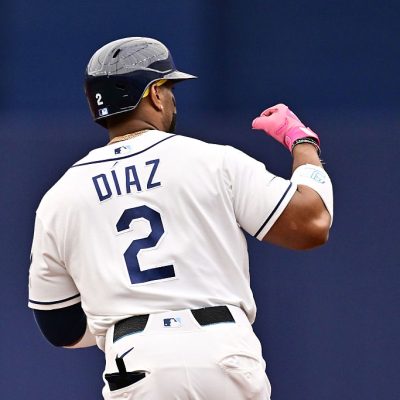
They’ve received inconsistent production from practically every bat not named Junior Caminero, Yandy Díaz, and Jonathan Aranda, while their bullpen depth is running dry, having innings eaten up by Craig Kimbrel and Cole Sulser, who have ERA’s north of 5.
Since Shane McClanahan returned on March 31, the Rays have the third-best rotation ERA with Drew Rasmussen continuing his under-the-radar stretch of dominance and Griffin Jax’s conversion to the rotation going swimmingly.
It’s nearly impossible to project how the Rays’ front office will navigate the trade deadline, with a seemingly endless cycle of retooling. Key expiring contracts like Díaz and Nick Martinez are sure to garner a nice package. Should they opt to sell, Díaz could be the best bat available. They could just as likely buy or sell, and even both if the situation calls for it.
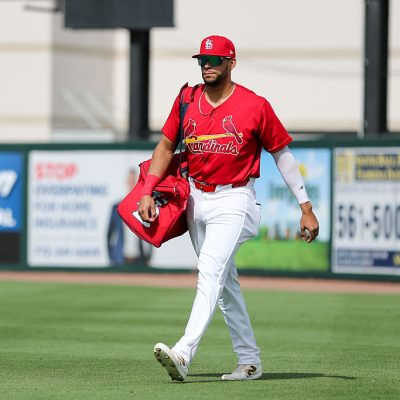
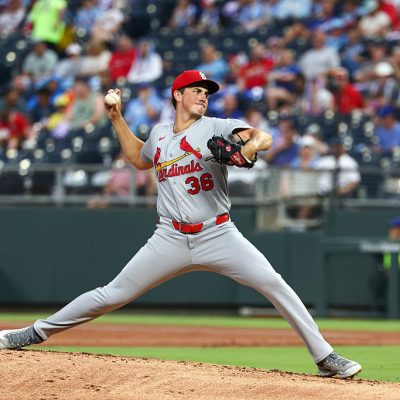
St. Louis Cardinals (43-38)
The Cardinals have sneakily had one of the best position player units in the league, ranking seventh in fWAR, led by the emergence of JJ Wetherholt and Jordan Walker.
It’s a lackluster pitching staff, though, with a rotation and bullpen that could surely be upgraded. They’re operating without a front-line starter and high-leverage relief pitchers.
St. Louis has built a respectable farm system with high-end pieces, including our 15th-ranked prospect, Rainiel Rodriguez, and three other top 100 prospects, along with depth, that could elicit a big name. May and JoJo Romero are expiring contracts that could garner solid packages should they fall out of the race.
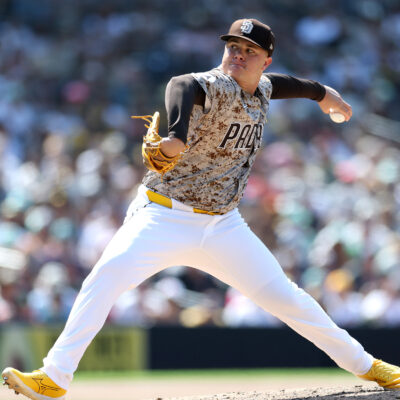
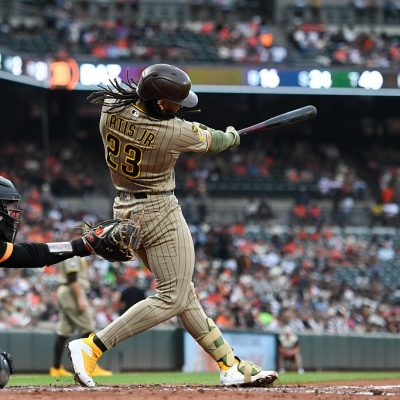
San Diego Padres (43-39)
It’s been an odd year for the Padres, to say the least. Samad Taylor and Ty France are currently their best hitters, and every batter with a six-figure contract has a wRC+ under 105.
While now-second baseman Fernando Tatis Jr. is heating up, Jackson Merril and Manny Machado have shown little signs of life, with Merril’s numbers declining every season since his stellar rookie campaign.
The rotation doesn’t get much prettier, running out Griffin Canning every five days with Michael King, Walker Buehler, and Randy Vásquez leading the staff.
They need upgrades in practically every field, which could be hard to swing with a diminished farm system following last year’s trade deadline. San Diego could be reluctant to sell with their contention window potentially coming to a close, but King and Adrián Morejón would be some of the best arms on the market.
Cleveland Guardians (44-40)
Tied with White Sox atop the AL Central, the Guardians are top five in team ERA, but 25th in team wRC+, needing to bolster their offense, especially with José Ramírez and Chase DeLauter out for an extended period.
Cleveland has scored the second-least amount of runs in June, trending downwards, while Chicago is trending up.
It’s a young team that should be trying its best to build around an aging Ramirez, though splurging at the deadline hasn’t been the Guardians’ MO.
Steven Kwan was a hot commodity last season, but his stock has fallen significantly. He could still garner a decent package with another year of control following 2026.
Arizona Diamondbacks (41-42)
While Corbin Carroll is putting up an MVP-caliber season, the offense around him is filled with underperformers, with Geraldo Perdomo struggling off his extension, and Pavin Smith and Lourdes Gurriel Jr. rocking an OPS in the .500’s.
The rotation is even more of a mixed bag, with Eduardo Rodríguez pitching to a 2.27 ERA, while Zac Gallen and Merrill Kelly have the two worst starting-pitcher ERAs in the NL.
Arizona has the star power to make a run, as they did in 2023, but they need depth in a big way. The farm system isn’t deep, and parting with Slade Caldwell or Kayson Cunningham would hurt.
If they decide to sell, Rodríguez would elicit value, and a team could be convinced that they could find a fix for Gallen and Kelly.

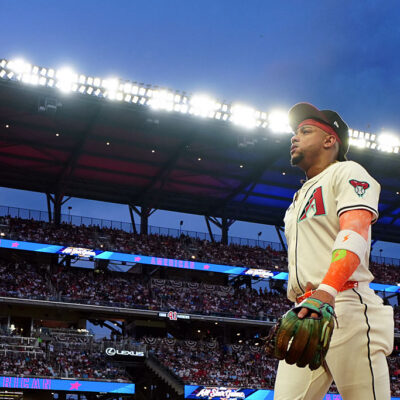
Pittsburgh Pirates (42-42)
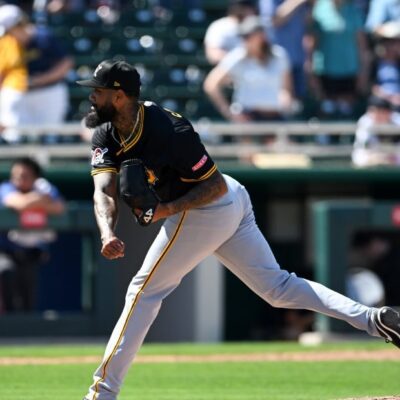
While you could argue the Pirates fit into the up-and-coming team category, there are pieces like Brandon Lowe, Ryan O’Hearn, and Mitch Keller who would be desirable trade deadline targets.
The pitching staff is young and exciting, as expected, with Paul Skenes being his elite self and Braxton Ashcraft carving out an All-Star campaign, but the offense is what’s been the driving factor in their success.
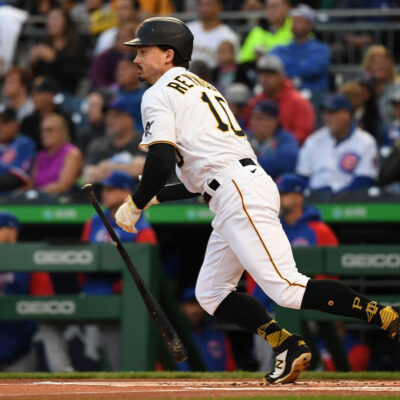
They are tied for second in the majors in wRC+ at 109, scoring the third-most runs in the league, led by a resurgent Bryan Reynolds and the aforementioned Lowe and O’Hearn.
The NL Central is one of the tighter divisions in the league, and they’ll need Keller, Jared Jones, and Bubba Chandler to step up to be legitimate contenders.
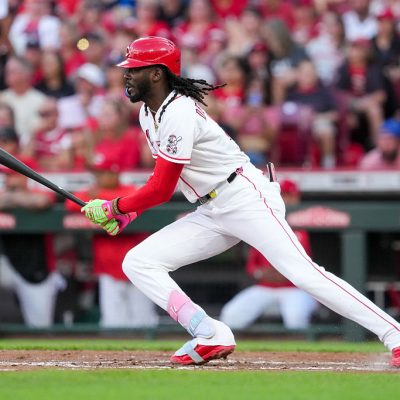
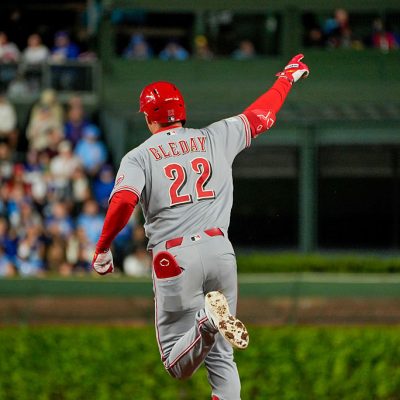
Cincinnati Reds (39-43)
The Reds stood the test of time, making the postseason last year, maintaining the third Wild Card spot from the trade deadline to game 162.
Residing near the very bottom of the league in fWAR, the Reds’ position players have combined for just 4.6 fWAR, which is just 0.1 above the Mets. Eugenio Suárez has been a black hole in the middle of the lineup, while their depth is thin.
Hunter Greene’s return will be huge for the rotation, with him and Chase Burns leading the way as one of the better one-two punches in MLB.
Cincinnati should be reluctant to deal their top prospects, but have enough depth to get some difference making bats. Should they fall further down the standings, Brady Singer, Nick Lodolo, and Emilio Pagán could be on the block.
Minnesota Twins (40-45)
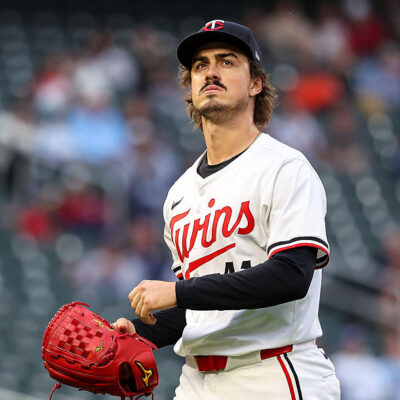
It was a fire sale last summer, dealing Duran, Jax, Louis Varland, Carlos Correa, and more, but remain in the race playing near-.500 baseball.
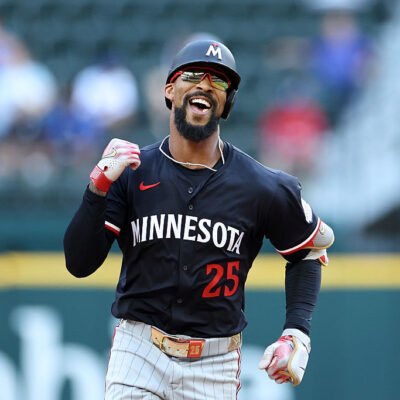
Byron Buxton has been an MVP contender, and in trade rumors for a few years running. He has been adamant that he wants to stay in Minnesota, and GM Jeremy Zoll has confirmed that Buxton is untouchable.
Joe Ryan, on the other hand, is widely believed to be available. Ryan could be the biggest trade chip in the deadline with his pedigree and non-expiring deal. Ryan Jeffers is the other name mentioned in trade talks.
Minnesota is capable of going on a run, and could want to capitalize on Buxton’s prime while they still have him on a team-friendly deal for the next three seasons.
Baltimore Orioles (38-44)
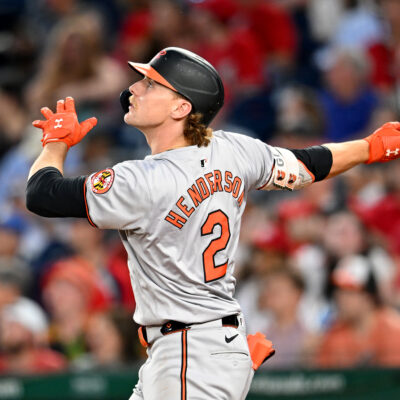
Baltimore has one of the better young cores in the league, ranking as the 12th offense in the league by wRC+, but have had trouble holding leads with a middling pitching staff.
The Orioles could use bullpen arms and a starter or two, which should be easy for them to pull off with a deep farm system.
Taylor Ward, Ryan Helsley, and Félix Bautista would be desirable deadline pieces if they decide to sell.
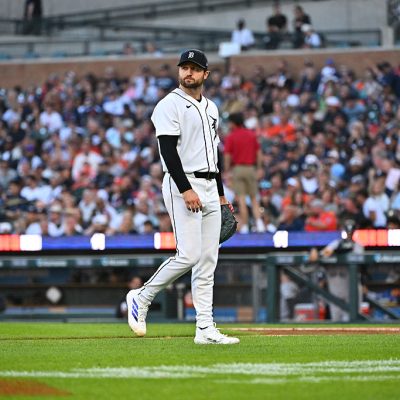
Detroit Tigers (35-49)
Back-to-back Cy Young Award winner Tarik Skubal is the biggest storyline of the trade deadline. Set to be a free agent and garner the richest contract for a starting pitcher, which the Tigers are unlikely to match.
With Skubal, the Tigers have the staff to sustain a playoff push, but the question is whether the offense will hold up.
Right and center field need to be upgraded, and the Tigers’ farm system is well-equipped to bring an All-Star to Detroit. Should they opt to keep Skubal, it would be disadvantageous to not go all-in.
In argument of not shopping Skubal, the AL Central is by far the easiest division to take over with Chicago and Cleveland not having the strongest of rosters.
Boston Red Sox (36-46)
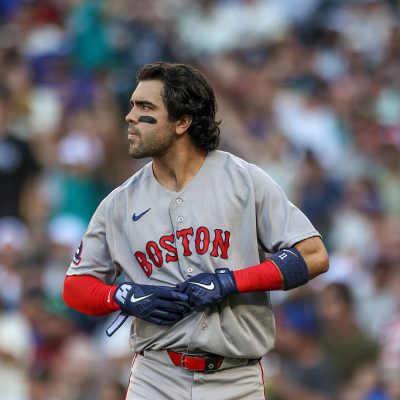
It’s been a year to forget for the Red Sox offense, posting a team wRC+ of just 91, with prolonged struggles from Jarren Duran and Trevor Story, along with a laundry list of injuries.
The pitching staff is one of the best in the league, even without Garrett Crochet pitching, with the rotation posting a 2.86 ERA since June 5.
Boston has older pieces that could be on the move if the offense doesn’t heat up, including Aroldis Chapman, Sonny Gray, and Willson Contreras.
Los Angeles Angels (36-49)
The Angels have historically not had the best process when it comes to the trade deadline, unwilling to pull the trigger on trades when presented with big packages
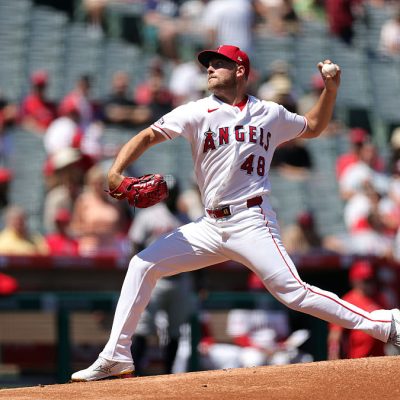
Former GM Perry Minasian was fired on June 26, though whether this effects Arte Moreno’s reluctance to trade Jo Adell, Reid Detmers, and José Soriano is another question.
It would be disadvantageous to buy with their weak farm system, unless they’re only a game or two out of a playoff spot, though you never know with the Angels’ ownership.
Kansas City Royals (35-50)
It’s looking like a retooling season for Kansas City, just two years out of a playoff berth in the Bobby Witt Jr. era, struggling to recapture the magic from their 2024 run.
Pushing aggressively while Witt, Maikel Garcia, Cole Ragans, and Jac Caglianone have cheap deals is imperative, but the Royals just may not have the personnel on the big league club or farm system to do that in 2026.
Packages from Seth Lugo, Michael Wacha, and/or Kris Bubic would certainly aid their future plans.
Become a Member of Just Baseball
Subscribe and upgrade to go ad-free!
* Save 25% by subscribing annually.

Written by
Landon is a recent high school graduate, currently 17 years old going to study Media at UC Riverside next fall. He excels with data analysis inside…