
Atlanta Is In Uncharted Territory as the Trade Deadline Looms
For the first time since 2017, the Atlanta Braves appear poised to sell as this year's trade deadline quickly approaches.
Stats and rankings were taken prior to play on July 22.
I’ve been an optimist for most of this season. Even after the 0-7 start, the 13-24 record in one-run games, and a positive run differential despite being 12 games under .500, I believed the Atlanta Braves would turn things around.
Now, with 62 games remaining, Atlanta sits 13.5 games out of the division lead and 10.5 back from a wild-card spot. Any hope that lingered heading into the All-Star break is quickly fading away.
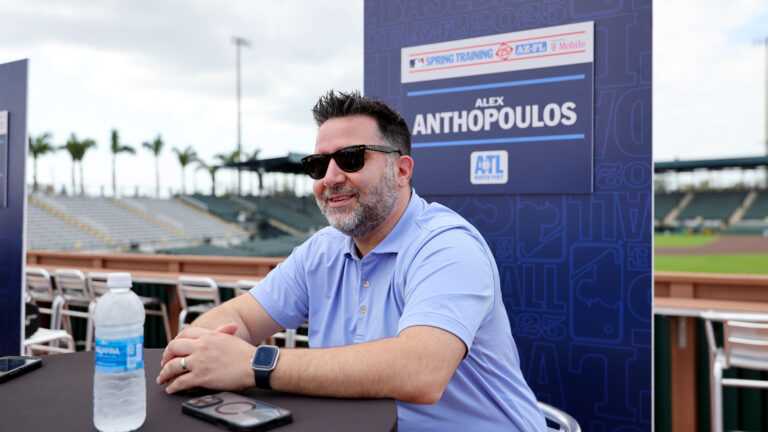
This is uncharted territory in the Alex Anthopoulos era. Since taking over in November of 2017, the Braves have posted a 647-482 record, claimed six division titles, never missed the playoffs, and won the 2021 World Series. But 2025 is different.
Despite injuries to Chris Sale, Spencer Schwellenbach, AJ Smith-Shawver, and Reynaldo López, the starting rotation hasn’t been the issue. As of July 2, when Schwellenbach went on the IL, the Braves ranked 12th in ERA (3.80), 11th in WHIP (1.23), and 11th in FIP (3.84). Even the bullpen ranked top 10 in ERA (3.65) and WHIP (1.24), despite the panic from some fans.
The offense has been the glaring problem, despite being relatively healthy. Ronald Acuña Jr. missed the first 49 games, Jurickson Profar served an 80-game PED suspension, and Austin Riley recently landed on the IL. But even with those setbacks, the collective lack of production has been quite alarming. The Braves currently rank 21st in total bases, 19th in OPS, and 21st in runs scored.
So, now it’s time to turn our attention to the trade deadline. What should Alex Anthopoulos and the Braves do?
Atlanta’s Trade Deadline Approach
Let me be clear: the Braves should not tear this down. This team is far too talented to blow it up. Every team has a down year from time to time, and this season feels more like that nightmare than a sign of long-term decline.
The ideal approach is what some would describe as a “soft sell.” That means moving players who aren’t expected to contribute in 2026 or beyond without compromising the next contending core.
The goal should be to bring back MLB-caliber contributors for 2026 and beyond, such as players who are currently injured, blocked, or struggling. Possibly a buy-low candidate.
Another option is to target high-upside, Double-A or Triple-A talent with near-term MLB projections. But this only works if the return actually improves the organization. Selling just for the sake of it is a step backward, not an improvement.
So, who should be on the block?
Off Limits
I’m a believer that no player is truly untouchable. But let’s be realistic, there are names that no team is prying away without a ridiculous overpay.
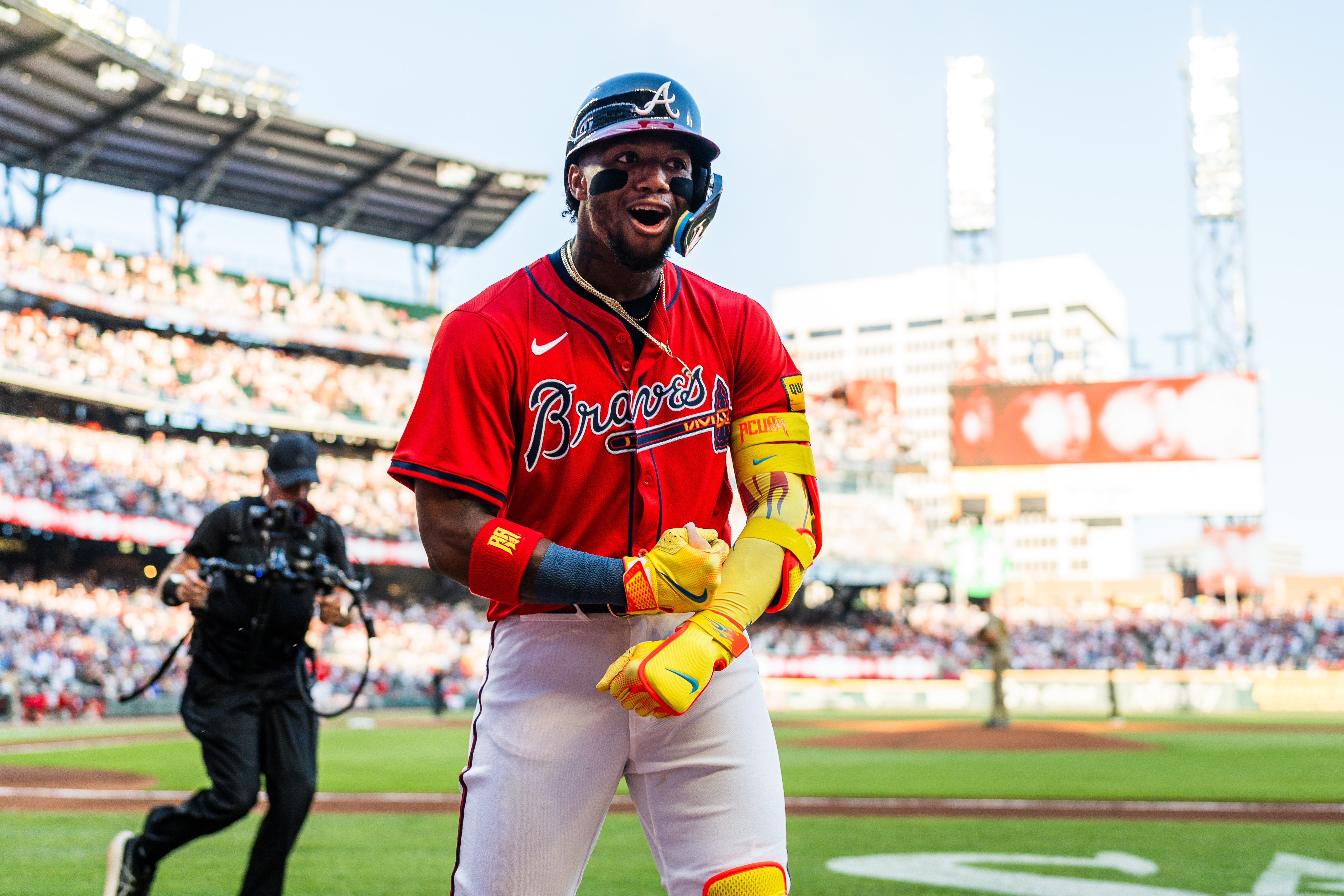
Let’s start with the obvious: Ronald Acuña Jr. isn’t going anywhere. At his best, he’s one of the five best players in baseball. Pay the man. Make him a Brave for life.
Matt Olson and Austin Riley should also remain as staples at the corners. Since arriving in 2022, Olson has slashed .258/.352/.506 with a .858 OPS and 15.2 fWAR. Riley has posted .273/.338/.494, an .832 OPS, and 15.5 fWAR in that same span.
The Spencer duo of Strider and Schwellenbach shouldn’t be moved either. Strider owns a 3.49 ERA, 2.73 FIP, and 1.08 WHIP for his career. Schwellenbach sports a career 3.23 ERA, 3.25 FIP, and 1.01 WHIP himself. That’s a future one-two punch you build around.
Same goes for rookies Drake Baldwin and AJ Smith-Shawver. Prior to Smith-Shawver’s injury, both were front-runners for NL Rookie of the Year. They are controllable, high-upside pieces, reminiscent of Michael Harris and Spencer Strider in 2022 and part of the core moving forward.
Never Sell Low

This next group includes guys I love and have potential rebound value that shouldn’t be moved right now.
Ozzie Albies is an Atlanta staple and one of the first pre-arb extensions for the Braves. However, he’s struggled mightily over the last two years (.237/.299/.369), but he’s still just 29 and under contract for a very team-friendly $7 million in both 2026 and 2027. Pick up the option, and reassess next year.
Michael Harris II may be a controversial one. His offensive production has dipped each year since winning Rookie of the Year, but the defense and raw tools are still elite. Trading him now would be selling low, and that could look like a massive mistake in the future.
Open To Offers

Alex Anthopoulos has stated that players under control through 2026 won’t be moved. However, that was before injuries to Schwellenbach and Riley and before the record dipped even further.
I would prefer to use the always-listen-to-offers approach for players in this bucket. I do not want to mortgage Atlanta’s 2026 season by sending away key pieces this coming deadline, but if the offer is right you, take the deal.
Chris Sale headlines this category. The 2024 NL Cy Young winner should return to action in August, and his market value could still be very high.
If a contender comes calling with a package that improves the shortstop position or the outfield long-term, for example, Anthopoulos should listen. The Braves have pitching depth in the minors and a strong track record of development to give them this flexibility.
Sean Murphy is the other big name. I’ve been a big fan of his since the trade, but with Drake Baldwin’s emergence, Murphy has become more of a luxury than a need.
He’s under contract until 2030, and while a catcher trade at the deadline is tricky due to the time needed to sync with a new staff, teams desperate for a long-term backstop might overpay. If so, Atlanta should entertain it, though the offseason might offer a better opportunity.
Grant Holmes is my surprise name in this tier. After 10 years in the minors, he finally made his debut with Atlanta in 2024 and has posted a 3.71 ERA, 3.91 FIP, and 1.27 WHIP ever since. With his flexibility as both a starter and reliever with years of control, his trade value may never be higher.
Finally, there’s a trio of relievers worth monitoring:
- Dylan Lee (2.68 ERA, 27.2% K%, .196 BAA): Under control through 2029. Keep unless someone blows you away.
- Pierce Johnson: One more year at $7 million. Valuable, but expendable if the return makes sense.
- Aaron Bummer: $9.5 million for 2026. Recent struggles aside, lefty arms like his draw interest at the deadline.
Actively Selling
The title says it all here. These are the players I would be actively looking to move prior to this year’s trade deadline.
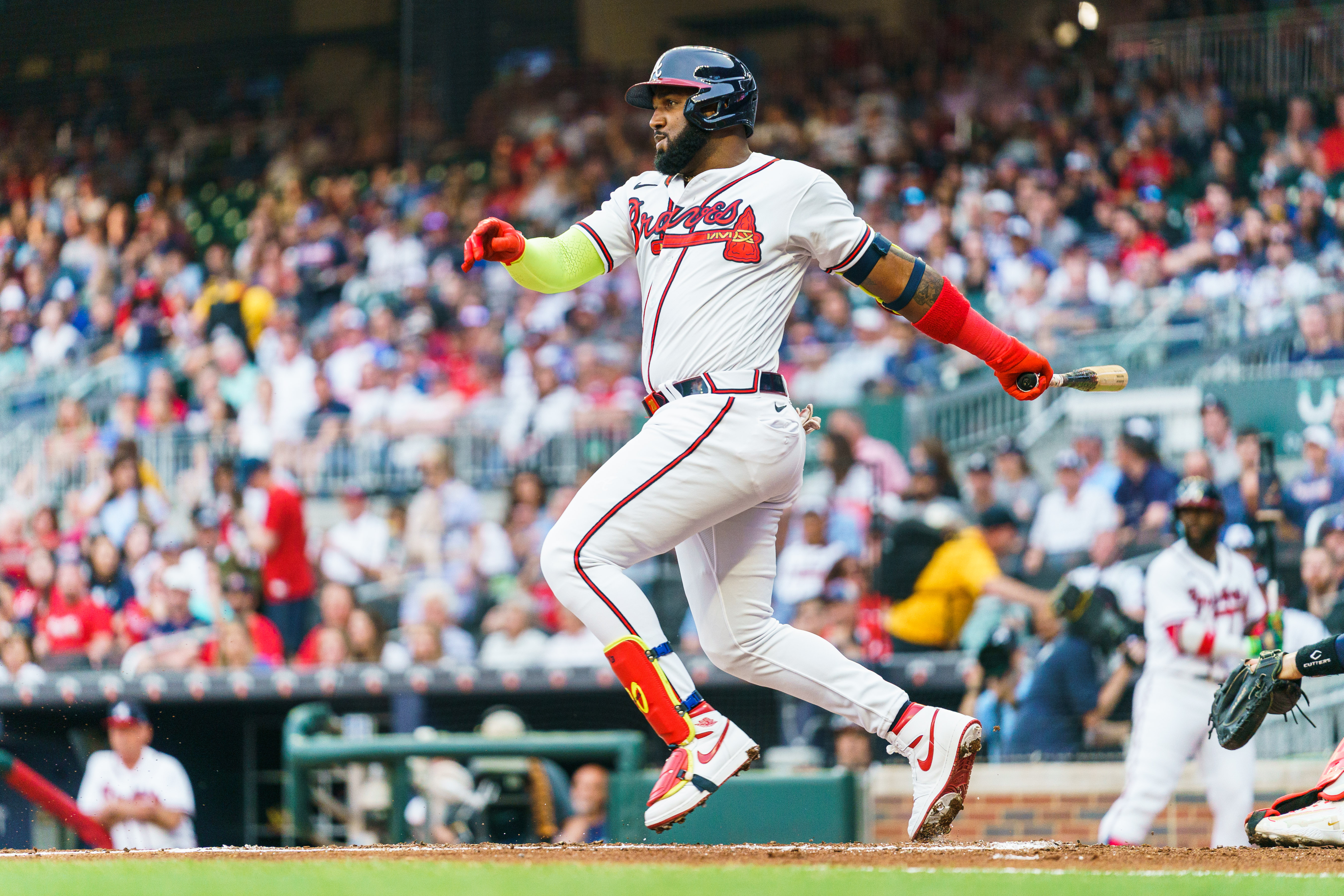
Marcell Ozuna may be the biggest name Atlanta realistically moves. Even in a down year, he’s posted a .751 OPS and 115 wRC+ with a career-best 16.2% walk rate. Only Shohei Ohtani has been a better DH over his tenure in Atlanta.
He does have 10-and-5 rights, meaning he can veto any trade. After losing his everyday role at DH, if he wants more at-bats, he may welcome a deal to a contender in need of his services.
Raisel Iglesias is also on an expiring deal. After a slow start, he’s been dominant: 12.2 scoreless innings allowing just six hits to go with a 17:1 K:BB ratio in his final 14 appearances leading into the All-Star break. He’s a proven veteran who could bolster any bullpen.
Others in this group include:
- Bryce Elder: Fringe starter, limited upside, but able to eat innings and keep the team in a game.
- Rafael Montero: Contract complicates things, but he’s been better than fans give him credit for and has plenty of experience.
- Any remaining bullpen arm: Given the volatility year to year at the position, no one in the pen should be off limits.
Second Half Focus
The Braves shouldn’t and won’t trade all these players. Realistically, one or two deals per category is likely at best. So, what else should they do? Here should be the top priorities:
Prioritize health: Don’t rush back Sale or Schwellenbach. Let Acuña and Strider ease into the offseason after returning from major surgeries. The priority now is 2026, and and they should prepare as so.
Give the prospects a shot:
- Hurston Waldrep, a 2023 first-round pick, has a 3.94 ERA, 1.31 WHIP, and a 23.6% strikeout rate over his last 12 Triple-A starts. He has pitched at least five innings in 11 of these 12 outings
- Hayden Harris (0.84 ERA in 10 Triple-A appearances) should earn his debut after arriving on the scene undrafted out of Georgia Southern University in 2022.
- Blake Burkhalter (3.18 ERA in 16 starts across AA and AAA) has been coming on strong.
- Jhancarlos Lara (.167 average against and 37.2% strikeout percentage across 17 innings of relief) should also get a look out of the bullpen.
Keep an eye on the draft: The Braves have the chance to extend their window of success even further in an unexpected way. As of July 22, Atlanta has the fourth-worst record in MLB, good for a 10.97% chance at the No.1 overall pick, per Tankathon.
The Prospect Promotion Incentive, created in 2022 to incentive top prospect promotions, is another one to keep an eye on. Because Baldwin was on the Opening Day roster, if he goes on to win Rookie of the Year, the Braves could end up with another top 35-ish pick in 2026.
The opportunity to draft a player at the caliber of a Roch Cholowsky, Justin Lebron, or hometown kid Drew Burress, while also gaining a second first-round pick, could be dangerous for the rest of the league.
Final Thoughts
This isn’t the season many Braves fans expected, but one bad year doesn’t define this franchise. Acuña Jr. is still electric. Baldwin’s pushing for Rookie of the Year. Strider is working back to ace form. Clearly there’s still reasons for excitement.
This deadline gives Atlanta a rare chance to reset smartly and build an even stronger foundation for 2026. Don’t sell just to sell. But if a deal helps improve key areas of need while preserving the core, the Braves absolutely should take it.
Braves fans have gone seven years without watching the Braves sell at the deadline. With smart moves now, it might be another seven before we feel this again.

Written by
Taylor is a baseball enthusiast and a writer for Just Baseball. An Atlanta native, he shares his love for the Braves, card collecting, and scouting the…