
The Characters That Are Going to Shape October
Postseason baseball has always had room for the unexpected protagonist. Here's one player from each team who could steal the show in October.
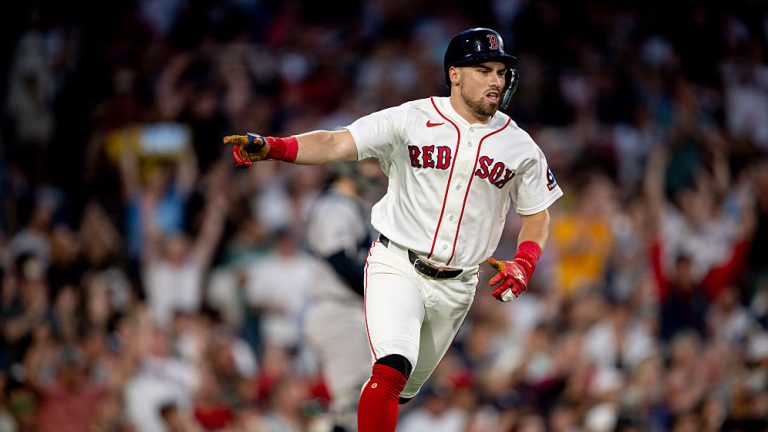
October has a funny way of creating characters.
We enter every postseason talking about the stars. The MVP candidates, Cy Young contenders and future Hall of Famers dominate the promotional material and, more often than not, they will have plenty to say about who ultimately lifts the trophy.
But they are rarely the only players we remember.
Postseason baseball has always had room for the unexpected protagonist. A rookie who gets hot for three weeks. A setup man who suddenly becomes responsible for the biggest outs of every game. A utility player who steals a base or makes a defensive play that changes a series. A hitter buried behind the stars in his lineup who gets the one pitch everyone remembers.
Those are the players we are looking for here.
The only real rule is that they were not an All-Star this season. Some are former All-Stars. Some were top prospects. Some have quietly been among the best players at their positions. Others are role players whose specific skill sets could become disproportionately important once the games tighten.
And then there are the Dodgers.
We will get to them.
Tampa Bay Rays: Liam Hicks
Liam Hicks is an unlikely candidate to hit 18 home runs.
His average exit velocity sits near the bottom of the league, he does not possess particularly impressive bat speed and nobody is going to mistake him for a traditional middle-of-the-order slugger. Yet after arriving from Miami at the trade deadline, the 27-year-old catcher has become exactly that for the team with the best record in the American League.
Throughout his professional career, Hicks has been a premier bat-to-ball hitter with above-average swing decisions. What changed this season is what happens after he makes contact. Hicks has refined his batted-ball angles, getting more pull-side loft and turning enough otherwise ordinary fly balls into home runs.
The result has been a three-win player who suddenly gives Tampa another legitimate bat in the middle of its lineup.
That matters because the Rays badly needed one.
Junior Caminero, Yandy Díaz and Jonathan Aranda carried a disproportionate amount of the offensive load before Hicks arrived. Beyond those three, the lineup thins out quickly, particularly in the power department.
Opposing pitchers will have every reason to work carefully around that group in October, especially Caminero. That means Hicks is going to get opportunities.
There will be runners on base. There will be pitchers willing to attack him rather than let Tampa’s stars beat them. And there will likely be a moment when the Rays need somebody outside of their established offensive core to provide one big swing.
For a team that has spent the season winning on the margins, whether Hicks can deliver it could be the difference.
Milwaukee Brewers: Garrett Mitchell
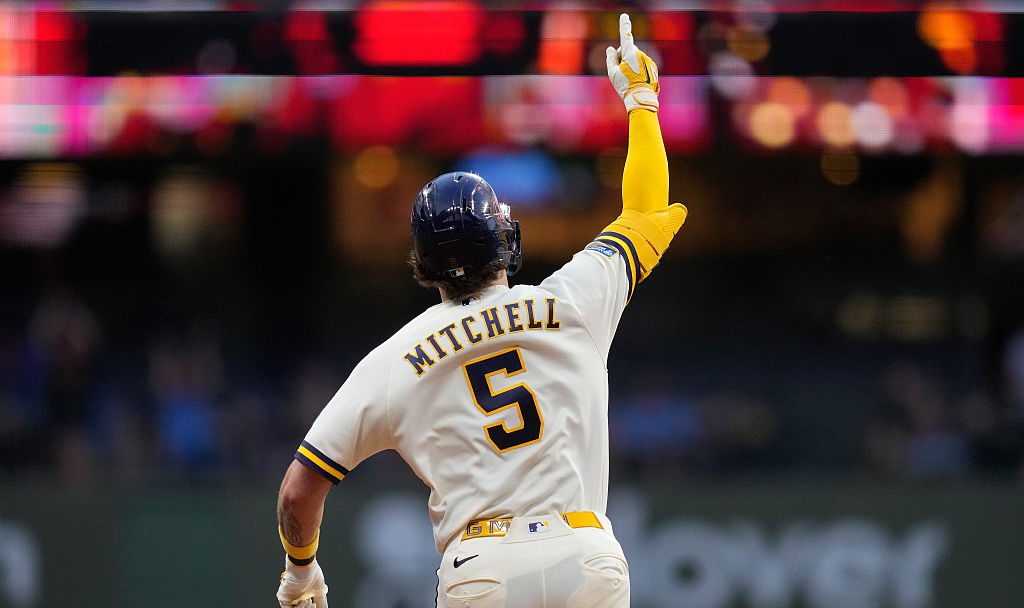
Garrett Mitchell is finally putting together the rare collection of tools that made him a first-round pick out of UCLA in 2020.
Mitchell has always been a different flavor of Brewers homegrown player. There is real power, top-of-the-scale bat speed, enough speed to change a game on the bases and the athleticism to go get the baseball in center field.
The tools have never been the question.
Whether Mitchell would ever hit enough for them to matter consistently was.
Swing-and-miss has followed him throughout his professional career and created legitimate questions about whether he could hold down an everyday role. That weakness has not disappeared, but his approach has taken a significant step forward in 2026. Mitchell now sits in the 89th percentile in chase rate, giving himself more opportunities to unleash the bat speed that makes him dangerous to every part of the field.
For a Brewers lineup that is not overflowing with traditional thump, Mitchell provides a dimension few others can.
And Milwaukee has placed him in perhaps the most consequential spot possible: leadoff, directly in front of Jackson Chourio.
Chourio has already established himself as a playoff performer despite his youth. Teams should have little interest in giving him additional opportunities with runners on base, which means Mitchell is going to get challenged.
The postseason will test the exact weakness that has defined his career. Elite pitching will attack his ability to make contact. But those pitchers also have to come into the zone enough to avoid creating free traffic for Chourio behind him.
The Brewers have won the most regular-season games in baseball for the second consecutive season. Getting beyond being an excellent regular-season team will require their stars to produce.
Mitchell could make their lives considerably easier.
Cleveland Guardians: Gavin Williams
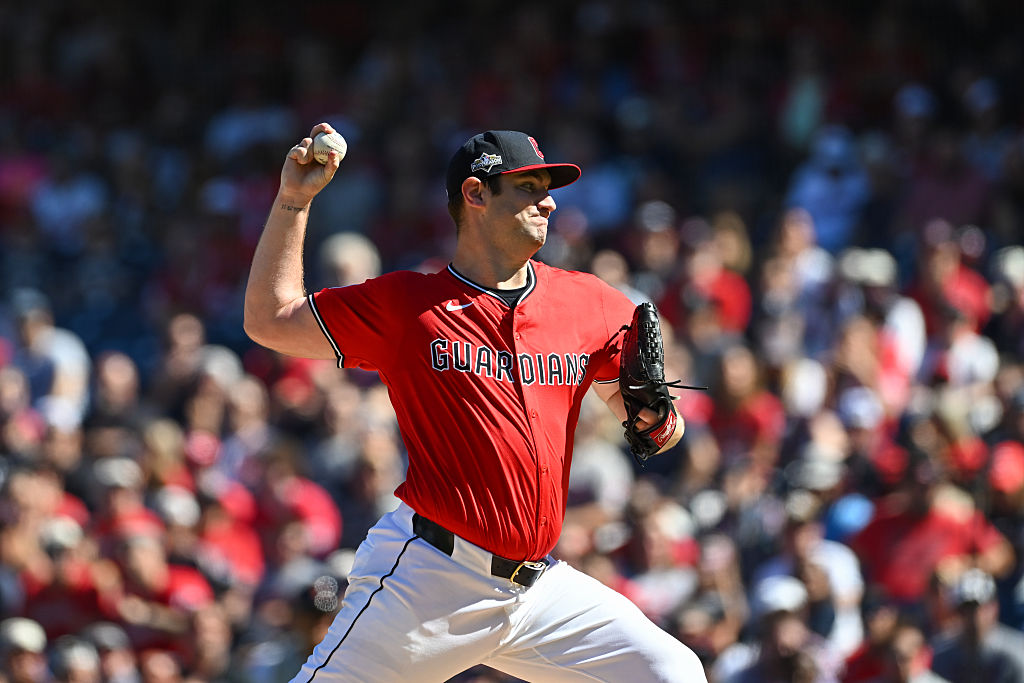
Gavin Williams has always had the kind of stuff that makes you wonder what it might look like on a postseason stage.
In his age-27 season, the former East Carolina Pirate has finally paired it with the workload Cleveland has been waiting for.
Williams had already established himself as a productive major league starter, but 2026 has been his best and most complete season. He threw 184 1/3 innings with a 3.76 ERA while leading the American League in strikeouts.
The foundation is some of the most dynamic raw stuff in baseball.
Williams pairs an upper-90s heater with good carry and plus extension with a sharp sweeper that averages 87.5 mph. He has another legitimate breaking ball in his curveball and has toyed with additional fastball shapes through a sinker and cutter.
The result is a pitcher sitting in the 94th percentile in whiff rate and the 97th percentile in strikeout rate.
It is not without risk.
Williams can be clipped by the long ball and will surrender loud contact when his stuff leaks into hittable locations. That volatility is part of what makes him such a fascinating October starter. Few pitchers remaining in the American League have a better collection of pitches with which to simply overwhelm a lineup, but one poorly located fastball can change an otherwise dominant outing.
Cleveland will give him every opportunity to find out which version shows up.
Williams should get the baseball in Game 1 of the Division Series. If the Guardians advance again, he could make multiple starts in an ALCS.
He will not occupy much space on Cy Young ballots. That matters very little now.
In a short series, the question becomes much simpler: can you go toe-to-toe with the power arms on the other side?
Williams has the stuff to do exactly that.
Los Angeles Dodgers: Everybody
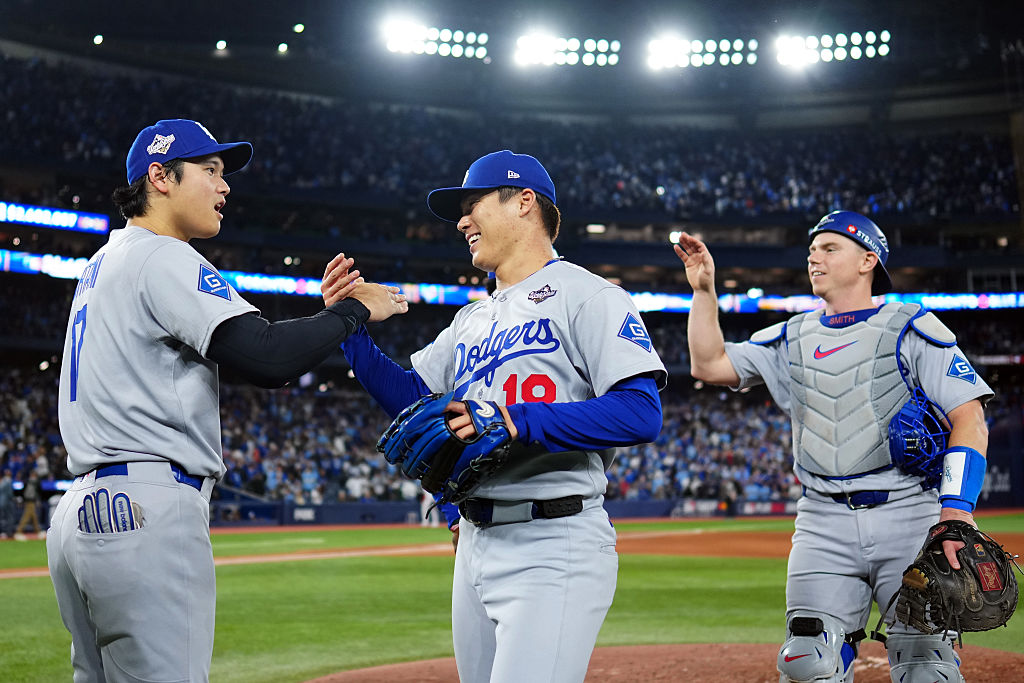
There are no new characters to introduce here.
This version of the Dodgers has been in our lives for three years now.
Shohei Ohtani. Mookie Betts. Freddie Freeman. Yoshinobu Yamamoto. We know the names. We know the expectations. We know what it looks like when this team plays deep into October.
Los Angeles enters the postseason on a mission to pull off something historic.
This is not the team where we need to dig through the roster looking for an overlooked character capable of defining October.
We already know the cast.
Now we find out how the story ends.
Houston Astros: Isaac Paredes
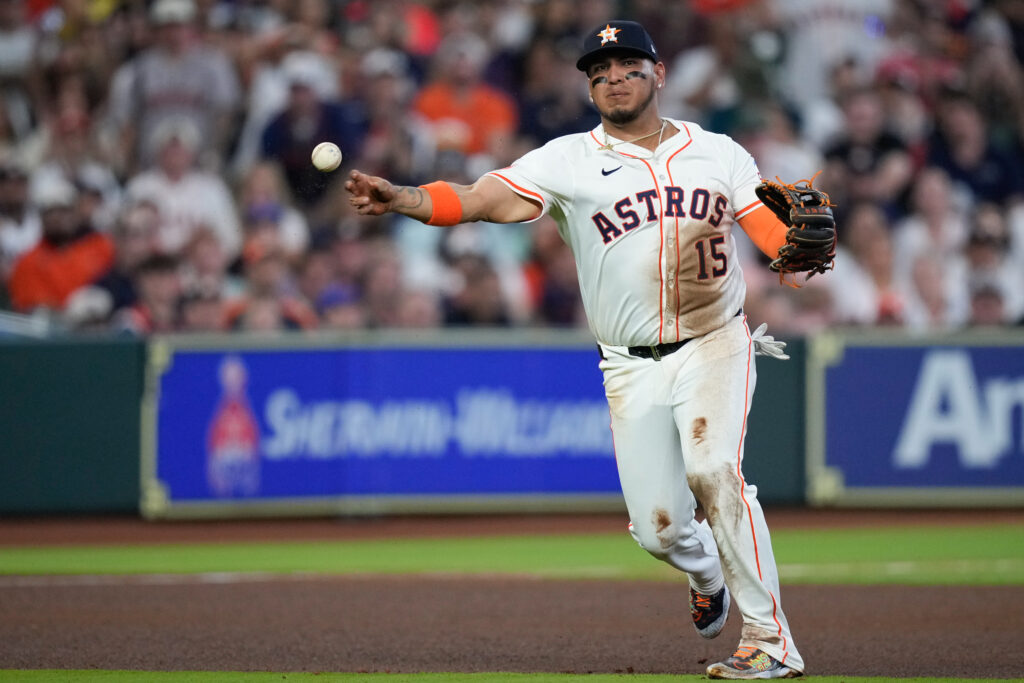
Isaac Paredes was an All-Star in both 2024 and 2025.
Somehow, the best season of his career by fWAR was the one that left him off the roster.
Paredes has never been a conventional power hitter. He does not overwhelm the baseball with enormous raw exit velocities. Instead, few hitters understand where their damage comes from better.
He has built his career around getting the baseball into the air to the pull side.
There may not be a swing in baseball better designed for the Crawford Boxes.
That skill becomes particularly interesting in October because of who is hitting around him.
Houston limped into the postseason, but the Astros are here nonetheless. This could also be one final run for several of the players who have defined the most successful era in franchise history.
Yordan Alvarez has put together an MVP-caliber season, and that reputation creates a fairly obvious postseason problem for opposing pitchers.
Nobody wants to let him beat them.
Paredes is one of the hitters waiting for the opportunities that creates.
With Jeremy Peña helping create traffic near the top and Alvarez anchoring the lineup, opposing pitchers are going to have to choose where they are willing to attack. Paredes will get chances with runners on base because navigating around everybody is not an option.
This version of Houston may need him to capitalize more than some of its predecessors did.
The Astros no longer possess the overwhelming pitching depth that powered the teeth of their dynastic run. If Houston is going to survive multiple series, there will be nights when it simply has to slug its way through them.
Paredes does not need to carry the Astros for a month.
He might only need two or three pitches.
Put one in the wrong place with runners aboard, and a swing tailor-made for the Crawford Boxes can change an inning, a game and, in a short enough series, everything.
Atlanta Braves: Didier Fuentes
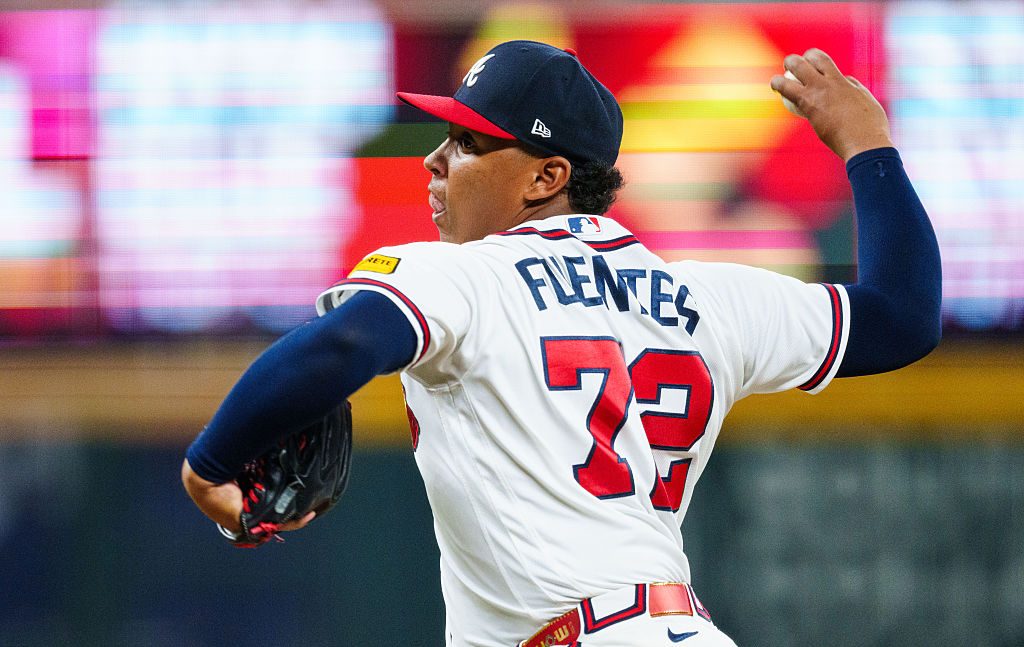
Few pitchers in the modern game can flip the glove up, throw a fastball nearly 70% of the time and still overwhelm major league hitters.
Didier Fuentes is one of the exceptions.
His fastball jumps out of his hand with good carry from his release height and plays particularly well at the top of the zone. Hitters know it is coming.
It has not mattered.
And because they have to gear themselves so aggressively for the heater, Fuentes can make hitters look silly when he does decide to mix in his secondary pitches.
But what makes the 21-year-old one of Atlanta’s most interesting October players has as much to do with how he might be used as what he throws.
The Braves enter the postseason with Chris Sale at the front of a rotation that gets considerably thinner behind him and Raisel Iglesias waiting to close games.
Fuentes could become the bridge between the two.
Atlanta has already stretched him as far as four innings earlier in the season, and he has routinely handled two-inning spurts. Once October removes the need to protect traditional pitching roles, that flexibility becomes incredibly valuable.
The comparison is lofty, but the potential usage brings Andrew Miller’s famous 2016 postseason to mind.
Forget the inning. Identify the most important portion of the game and use one of your nastiest pitchers there.
Maybe Fuentes enters in the fifth with two runners aboard. Maybe a starter struggles and he is asked for six outs. Maybe the heart of an opposing lineup is due up and Atlanta simply decides that is the moment it needs him.
There are not many pitchers on this staff capable of overpowering a postseason lineup for multiple innings at a time.
Fuentes is one of them.
If Atlanta makes a deep run, one of its most important arms may belong to a 21-year-old who walks onto the mound and essentially tells hitters what is coming.
New York Yankees: Luis García Jr.
Luis García Jr. arrived in New York at the trade deadline and became one of the few steady bats in a Yankees lineup that has spent much of the second half teetering without Aaron Judge.
He also arrived as a different hitter.
García reached 30 home runs for the first time while establishing career highs in slugging percentage, average exit velocity, hard-hit rate and xwOBA. He added roughly two ticks of bat speed and continued a career-long process of refining his batted-ball angles.
More of that contact is now getting into the air to his pull side.
There are worse places for a left-handed hitter to figure that out than Yankee Stadium.
The short porch gives García’s newfound thump an ideal home, but what makes the profile especially interesting is that the added impact has not required him to completely sell out for power. He is still striking out less than 20% of the time.
That does not mean he is patient.
García is hyper-aggressive and will rarely take the free pass. He is going to swing, and pitchers know it.
The difference is that those swings now carry considerably more consequence.
That becomes especially important with Boston coming to the Bronx.
Aaron Judge’s health hangs over the Wild Card Series against the Yankees’ oldest rival. Whether he plays and how close he can get to being himself could determine New York’s ceiling, but García provides another hitter capable of changing the equation with one swing.
His approach is inherently volatile. An aggressive hitter can run himself out of at-bats quickly against postseason pitching.
He can also turn the first mistake he sees into two runs before the at-bat ever has a chance to develop.
In a short series in a ballpark built for his new offensive profile, every García swing might feel like it has a chance to find the right-field seats.
It may only take one or two of them to change the series.
San Diego Padres: Adrian Morejon
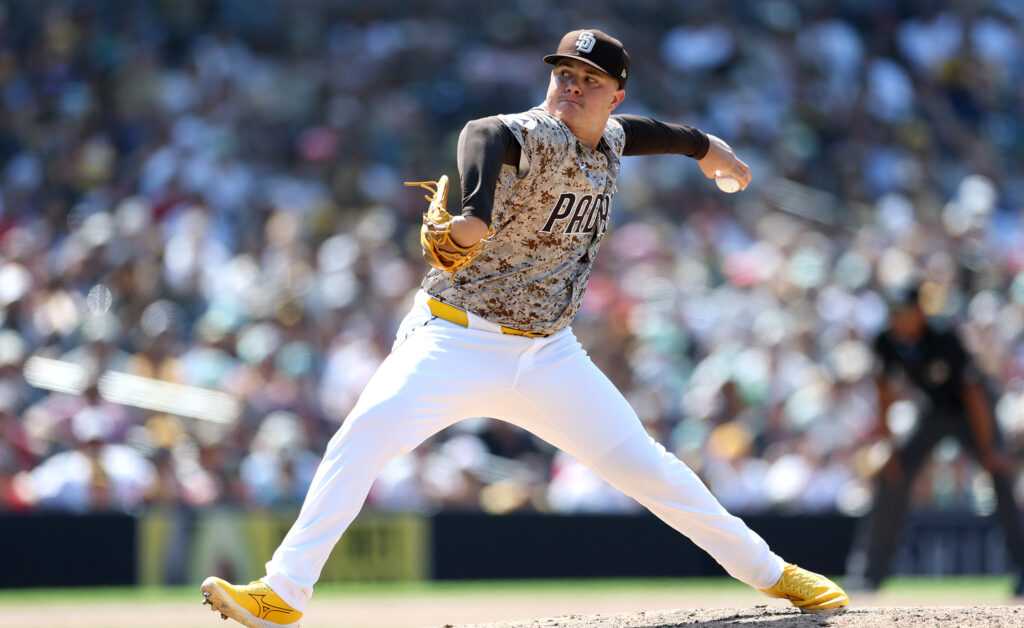
Adrian Morejon has been one of baseball’s premier setup men for the last several seasons.
Calling him a setup man still feels like it undersells both his stuff and what San Diego may ask him to do in October.
Morejon possesses closer-quality weapons. His sinker/changeup combination from the left side creates an uncomfortable at-bat for just about anyone, allowing him to miss bats while also generating weak contact on the ground.
He has accumulated 2.8 fWAR across 86 innings out of the bullpen this season. The only reliever ahead of him is his teammate Mason Miller at 3.7.
Miller’s presence is precisely what makes Morejon so important.
The Padres bullpen has developed a fearsome reputation since acquiring arguably the most dominant reliever of the last decade. But San Diego still has to get the baseball to him.
With a thin starting rotation, Morejon may be the arm that allows the Padres to shorten games before Miller ever enters them.
He has routinely shown the ability to work multiple innings and possesses the ideal combination of strikeouts and ground balls to make those appearances sustainable.
Do not be surprised if San Diego gets aggressive with him.
A starter runs into trouble in the fourth? Morejon could be the answer. The middle of an opposing order comes up with traffic in the fifth? Use him there and ask him to get five or six outs.
There is no reason to save him for a traditional setup inning when the entire objective is simply reaching Miller with a lead.
The Padres have clawed their way back into the postseason as the hottest team in baseball. If that run continues, Morejon could end up handling some of the most important innings of their season.
There is another layer to it all.
Morejon is due a contract this offseason at 27 years old. A postseason in which he proves capable of dominating October lineups for multiple innings at a time could turn into an awfully lucrative audition.
Miller may be the name everyone fears at the end of the game.
Morejon might be the pitcher who makes sure San Diego ever gets there.
Honorable mention: Ethan Salas. It is unfair to place this kind of expectation on a 20-year-old who debuted less than two months ago, but October has never cared much about fairness. If Salas can provide even a small spark that lengthens the bottom of the lineup, it makes the mashers at the top that much harder to navigate.
Boston Red Sox: Caleb Durbin
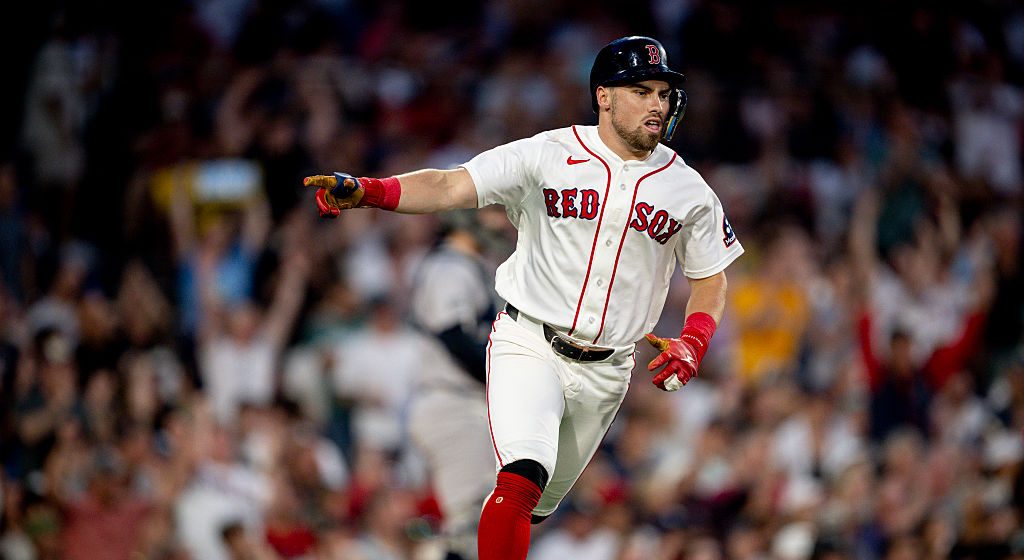
There are going to be players in October who overwhelm you with velocity, bat speed or raw power.
Caleb Durbin is not one of them.
After a brutal start to the season, Durbin rebounded to produce one of the quieter 3.1-fWAR seasons in baseball as the quintessential sum-of-his-parts regular.
The elephant in the room is obvious: he does not hit the baseball hard.
Durbin sits in the first percentile in average exit velocity and the 12th percentile in bat speed. There will be no TrackMan readings flashing 115 mph after one of his swings.
And yet he keeps finding ways to help Boston win.
Durbin makes a lot of contact, controls his at-bats and has learned how to get the baseball into useful parts of the field. His batted-ball angles allow him to make the most of the Green Monster without possessing much traditional power.
That bat-to-ball ability becomes increasingly valuable when October games tighten and simply putting the baseball in play can create something.
The rest of his game operates the same way.
Durbin is a 95th-percentile defender at third base, where his range can turn a ball ticketed for left field into an out in a high-leverage spot. He is an above-average runner with enough feel on the bases to steal one when it matters.
None of those skills individually makes him a star.
Put them together and you get exactly the type of player who can make one of the hidden plays that swings a postseason game.
He is also a fitting representative of what Boston has become under Chad Tracy. The Red Sox looked dead early in the year before turning their season around. Durbin’s season followed much the same trajectory.
And there is one more wrinkle.
Durbin came through the Yankees system. By all accounts there is no animosity there, nor does there need to be.
A former Yankees prospect becoming a postseason hero for Boston in the Bronx does not require much embellishment.
Maybe he steals second. Maybe he spoils three two-strike pitches before punching a single through the infield. Maybe he takes away a run with his glove.
Do enough little things in the right moments and suddenly everybody knows your name.
Chicago Cubs: Pedro Ramírez
The Cubs do not need Pedro Ramírez to be a star.
That job belongs to Pete Crow-Armstrong, Alex Bregman, Seiya Suzuki and the collection of established veterans that makes Chicago’s offense one of the deepest in baseball.
If the Cubs are going to make a deep October run, those players will need to perform like it.
Ramírez’s job is different.
The 22-year-old rookie has emerged as a Swiss Army knife for a roster that already has plenty of firepower. He switch-hits, plays good defense, can move around the diamond and runs well enough to impact a game once he gets on base.
He does not offer much thump, but good bat-to-ball ability and sound swing decisions give him a chance to contribute without needing to drive the baseball over the fence.
That might sound like a modest profile on a team with this much star power.
In October, it can become an important one.
Postseason games inevitably create moments when normal lineup construction breaks down. A pinch runner is needed in the seventh. A defensive replacement enters with a one-run lead. A particular matchup calls for a switch hitter off the bench. An injury forces someone to play somewhere he was not expecting when the night began.
Ramírez gives Chicago an answer to a lot of those questions.
And sometimes the player who swings a postseason game is not the one a manager spent all afternoon building his lineup around.
It is the player who enters in the sixth, steals a base, takes an extra 90 feet, puts a difficult pitch in play or makes the defensive play that preserves a lead.
There is no reasonable expectation that a 22-year-old rookie should carry this Cubs team.
He does not need to.
Chicago’s stars will determine how far it ultimately goes.
Ramírez could make one or two of the little plays that determine whether those stars get another game to do it.
Chicago White Sox: Chase Meidroth
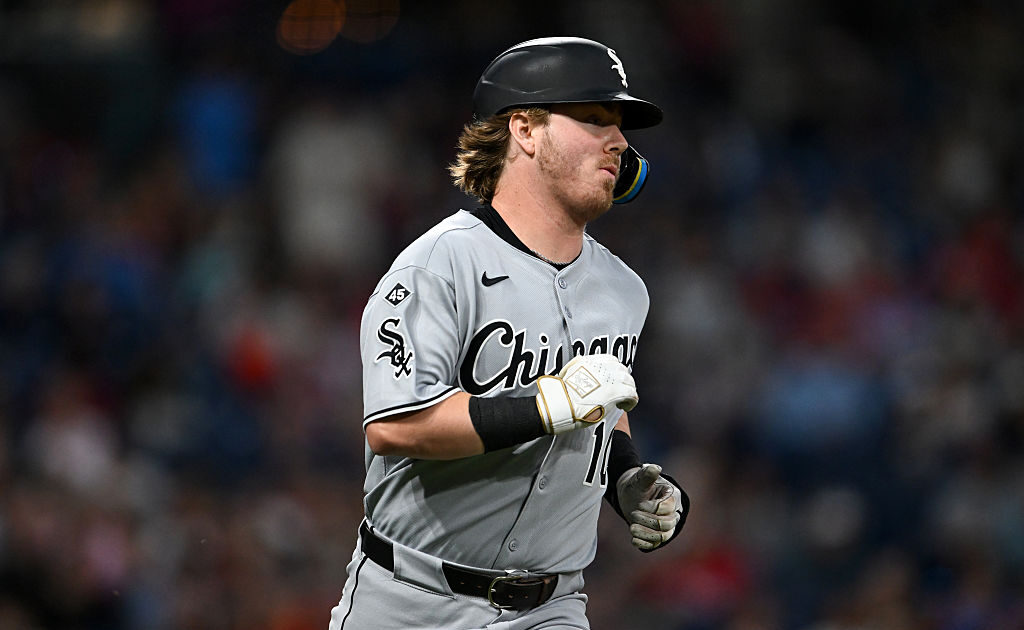
Chase Meidroth just put together one of the quietest 4.5-fWAR seasons you will ever see.
That feels appropriate for a player whose value is built almost entirely around doing a lot of things well instead of one thing spectacularly.
Meidroth has solidified himself as a core piece for the plucky upstart White Sox by grinding value out of virtually every part of the game.
He is a 95th-percentile defender at second base, with the range to turn balls that sneak through against most infields into outs and help create double plays behind Chicago’s pitching staff. That range is particularly useful next to the powerful but slow-footed Munetaka Murakami at first.
At the plate, Meidroth still does not provide the kind of raw impact associated with the middle of an order.
He has simply figured out how to squeeze more damage out of the contact he does make.
Improved batted-ball angles and additional lift helped turn five home runs into 16 without requiring him to fundamentally change the hitter he is.
And that hitter can be deeply annoying to face.
Meidroth makes pitchers work. He spoils pitches, forces them to execute and generally refuses to give away easy outs.
That profile could be particularly useful against Houston.
The Astros do not have a deep pitching staff, and Chicago should want to make every inning as uncomfortable as possible: extend plate appearances, add pitches to starters’ counts and force Houston to expose the softer portions of its staff.
Few White Sox hitters embody that style better than Meidroth.
If Chicago is going to advance beyond the Wild Card round, somebody other than Miguel Vargas is eventually going to have to produce the swing that changes a game.
Meidroth feels built for the role.
It may not leave his bat like a missile.
It could be a line drive down the line, a fly ball he gets just enough of, a seven-pitch at-bat that finally cracks a tired pitcher or a ground ball he reaches in the hole with two runners aboard.
None of it will necessarily look spectacular.
In October, spectacular and important are not always the same thing.
Philadelphia Phillies: Andrew Painter
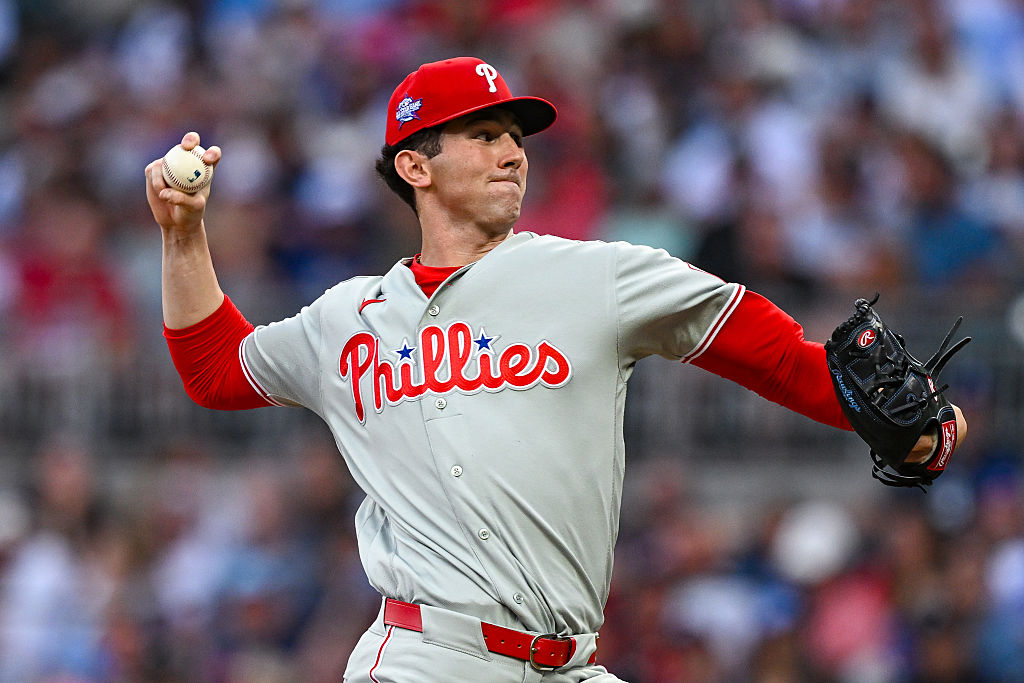
Andrew Painter’s 2026 season can be divided pretty cleanly into two parts.
For three months, the former top pitching prospect in baseball looked nothing like the pitcher Philadelphia had waited years to see.
Painter carried a 7.06 ERA through 65 first-half innings while surrendering nearly two home runs per nine. His fastball was getting crushed, his WHIP sat at 1.66 and, after years of anticipation, it was fair to wonder whether he would ever resemble the pitcher his prospect pedigree promised.
Then something changed.
The average launch angle against Painter dropped roughly six degrees. His ground-ball rate jumped eight percentage points. His home-run rate fell to just over one per nine and his WHIP dropped from 1.66 to 1.15.
He started keeping the baseball off barrels and on the ground.
The results followed.
Now the Phillies are going to ask him to do something entirely different.
Philadelphia tumbled through September and barely held onto its postseason spot. With Zack Wheeler unavailable at the front of the Wild Card Series, the Phillies cannot simply rely on their traditional rotation structure and hope everything falls into place.
Painter is headed to the bullpen.
That may be the perfect role for him.
Philadelphia does not need Andrew Painter to fulfill years of ace expectations over the next few days. It does not need him to turn a lineup over three times or protect a lead for seven innings.
It needs the second-half version of him to come out of the bullpen, get six or more outs and help get the baseball to Jhoan Duran in the ninth.
For a pitcher who spent the first half learning how unforgiving major league hitters can be, shortening the assignment could allow his stuff to play up even further.
Painter entered the season with the expectations that come with once being considered the best pitching prospect in baseball.
He enters October with a very different challenge.
Forget becoming an ace.
Can you get six outs?
If the answer is yes, the Phillies might survive long enough for him to worry about everything else later.
Become a Member of Just Baseball
Subscribe and upgrade to go ad-free!
* Save 25% by subscribing annually.

Written by