
Top 30 Shortstop Prospects in Baseball for 2026
Jesus Made, Franklin Arias and Leo De Vries headline our list of the top 30 shortstop prospects in baseball.
 | |
| | 
The best players in baseball always start out playing shortstop, and that is never more evident than if you count all of the shortstops ranked on a top 100. Earlier this week, we updated our Top 100 MLB Prospects, and of the 100 players ranked, 30 of them are still listed at shortstop.
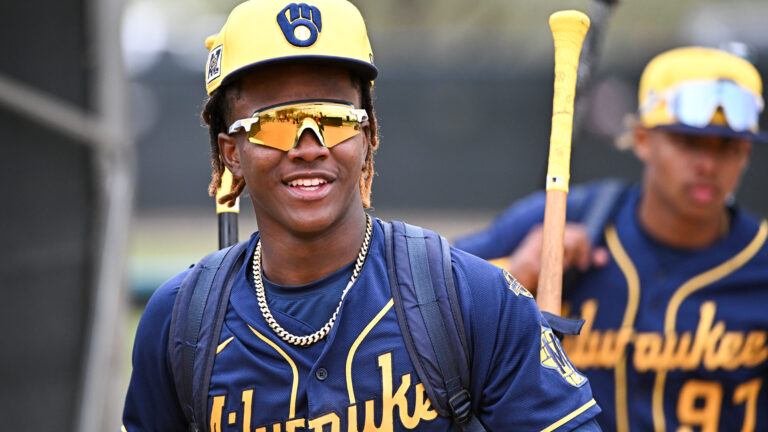
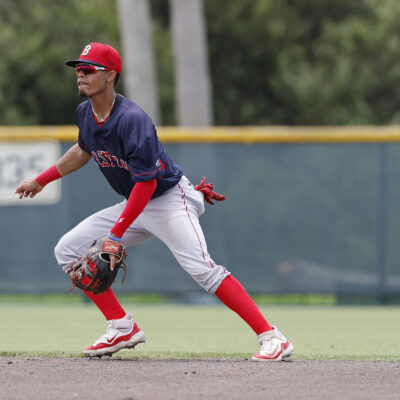
If you look at the very top of the list, each of the top three prospects in baseball plays shortstop. Jesus Made of the Milwaukee Brewers is the No. 1 prospect in the game, followed shortly behind by Franklin Arias of the Red Sox, and Leo De Vries of the A’s.
In past years, we have seen many of the game’s top shortstops pass through at the No. 1 spot on our top 100, such as Bobby Witt Jr. and Elly De La Cruz, just to name a few.
Looking at the current crop of young players ranked in the top 100, 11 of the top 25 are shortstops. Obviously not all of these prospects will debut at short, but most of the best athletes in the minor leagues are still trying to make it work at shortstop, or in center field.
To better rank the best prospects in baseball against their peers, we are breaking up our top 100 in position groups, and there was no better position to kick off the series than at shortstop.
Of the 30 prospects ranked below, 20 teams have at least one representative, with the Giants and Brewers leading the pack, each having three shortstops represented on this list.
With further ado, let’s dive into our player cards for the top 30 shortstop prospects in the game, with scouting grades, future values, projections, and more.



|
Rank
|
Player
|
Team
|
School
|
Age
|
Level
|
Position
|
ETA
|
FV
|
|
|---|---|---|---|---|---|---|---|---|---|
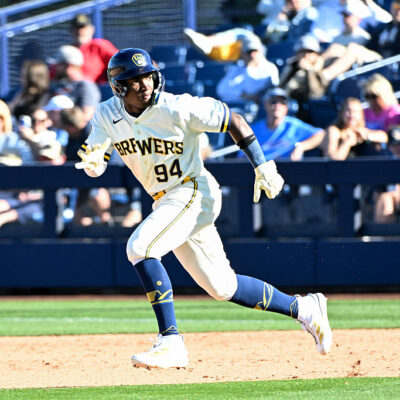
| 1 | Jesus Made | Milwaukee Brewers | 19 | AA | SS | 2027 | 65 | ||
| 2 | Franklin Arias | Boston Red Sox | 20 | AAA | SS | 2026 | 60+ | ||
| 3 | Leo De Vries | Athletics | 20 | AA | SS | 2027 | 60 | ||
| 4 | Eli Willits | Washington Nationals | 18 | A+ | SS | 2028 | 55+ | ||
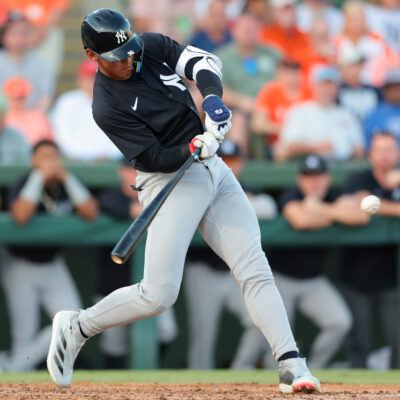
| 5 | George Lombard Jr. | New York Yankees | 21 | MLB | SS | 2026 | 55+ | ||
| 6 | Roch Cholowsky | Chicago White Sox | 21 | A+ | SS | 2027 | 55+ | ||
| 7 | Grady Emerson | Tampa Bay Rays | 18 | A | SS | 2029 | 55+ | ||
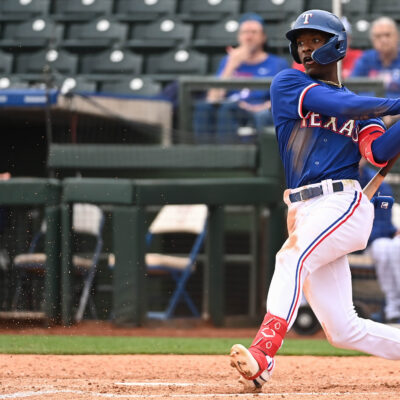
| 8 | Sebastian Walcott | Texas Rangers | 20 | AA | SS, 3B | 2027 | 55+ | ||
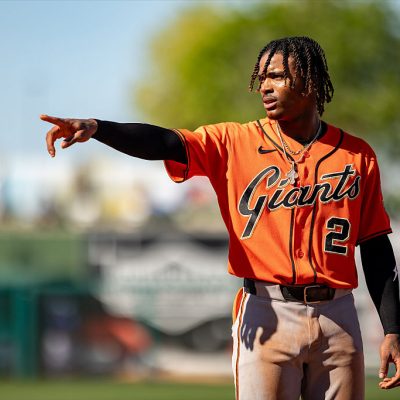
| 9 | Josuar Gonzalez | San Francisco Giants | 18 | A | SS | 2029 | 55+ | ||
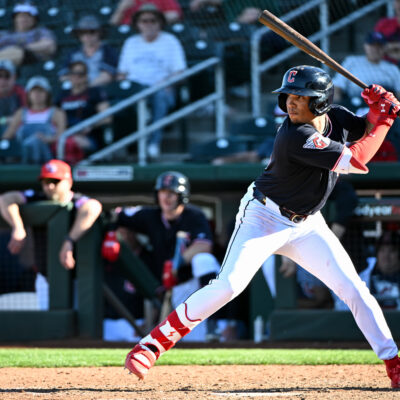
| 10 | Angel Genao | Cleveland Guardians | 22 | MLB | SS | 2026 | 55 | ||
| 11 | Arjun Nimmala | Los Angeles Angels | 20 | AA | SS | 2027 | 55 | ||
| 12 | Luis Pena | Milwaukee Brewers | 19 | AA | SS, 3B | 2028 | 55 | ||
| 13 | Aidan Miller | Philadelphia Phillies | 22 | AAA | SS | 2027 | 50+ | ||
| 14 | Aiva Arquette | Miami Marlins | 22 | AA | SS | 2027 | 50+ | ||
| 15 | Caleb Bonemer | Chicago White Sox | 21 | AA | SS, 3B | 2027 | 50+ | ||
| 16 | Kaelen Culpepper | Minnesota Twins | 23 | MLB | SS | 2026 | 50+ | ||
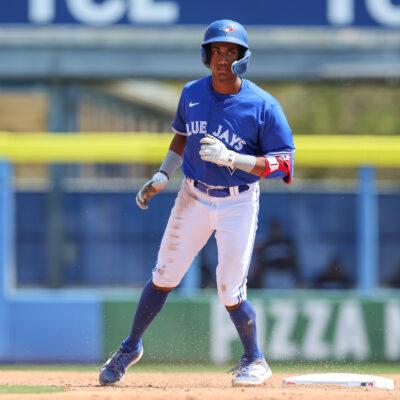
| 17 | JoJo Parker | Toronto Blue Jays | 20 | A+ | SS | 2028 | 50+ | ||
| 18 | Cooper Flemming | Tampa Bay Rays | 20 | A | SS, 3B | 2029 | 50+ | ||
| 19 | Josh Hammond | Kansas City Royals | 20 | A | SS | 2029 | 50+ | ||
| 20 | Seaver King | Washington Nationals | 23 | AAA | SS | 2026 | 50 | ||
| 21 | Bryce Rainer | Detroit Tigers | 21 | A+ | SS | 2028 | 50 | ||
| 22 | Ethan Holliday | Colorado Rockies | 19 | A | SS | 2028 | 50 | ||
| 23 | Jhonny Level | San Francisco Giants | 19 | A+ | SS | 2029 | 50 | ||
| 24 | Dax Kilby | New York Yankees | 19 | A | SS | 2029 | 50 | ||
| 25 | Tate Southisene | Atlanta Braves | 20 | AA | SS | 2028 | 50 | ||
| 26 | Brady Ebel | Milwaukee Brewers | 19 | A+ | SS | 2029 | 50 | ||
| 27 | Luis Hernández | San Francisco Giants | 17 | A | SS | 2029 | 50 | ||
| 28 | Jacob Lombard | Miami Marlins | 19 | A | SS | 2029 | 50 | ||
| 29 | Jefferson Rojas | New York Mets | 21 | AA | SS, 2B, 3B | 2027 | 50 | ||
| 30 | Tyler Bell | Colorado Rockies | 21 | CPX | SS | 2029 | 50 | ||
1. Jesus Made – SS – Milwaukee Brewers
Height/Weight: 6’1″, 190 | Bat/Throw: S/R | IFA: $950K – 2024 (MIL) | ETA: 2027
| HIT | PLATE DISC. | GAME POWER | RUN | FIELD | FV |
| 45/60 | 45/55 | 45/60 | 55/55 | 45/60 | 65 |
Made quickly made a name for himself with one of the best DSL showings in recent memory before following that up with a massive 2025 campaign where he climbed three levels, improving as the season progressed, finishing the year at Double-A not long after his 18th birthday. The switch-hitting shortstop could be one of baseball’s next big prospects thanks to his ridiculously quick hands and feel for the barrel paired with elite plate discipline and baseball instincts. His defensive progress only pushes his ceiling higher.
Offense
Starting slightly open and his feet a tad more than shoulder-width apart, Made sinks into his backside in tandem with a rhythmic barrel tip as he pulls his hands down towards his belt; the move is a little more pronounced from the left side. He will likely need to clean up such a loud move as it could be difficult to time and also puts him into a slot that is generally harder to launch from and limits his ability to elevate the ball as much as he should.
The fact that he is able to not only do plenty of damage from his launch position and consistently make contact is a testament to his freakish hands and athleticism in the box. He boasts a good feel to hit from both sides of the plate, but the left-handed bat-to-ball is particularly impressive. It’s rare bat speed from both sides of the plate, popping exit velocities north of 110 MPH from each side.
His 90th percentile exit velocity of 105 MPH is well above his peers, especially as an 18/19 year-old at Double-A. As he cleans up his operation in the box to be less dependent on raw talent and more conducive to repeating his moves and creating leverage, there should be plus game power in the tank. With his quickness, barrel accuracy and plate discipline, the elusive plus hit and power combination could be attainable for Made.
Defense/Speed
Made has good defensive tools boasting a plus arm and quick feet, with his glove maybe being the most improved aspect of his game in 2026. Similar to how he operates in the box, it was mostly natural athleticism over fundamentals for Made, but his reads off of the bat and actions have improved which paired with his natural abilities gives him plus defensive potential.
He has a knack for the acrobatic play and is comfortable charging in and throwing on the run. An aggressive base stealer, Made will grab bags at volume but could stand to be more efficient.
Outlook
Made did everything you wanted to see to follow up an all-time DSL performance by settling into Low-A before dominating High-A and earning a Double-A cameo in a season where he was 17 years old at the start. Made has been productive as the youngest player at Double-A, with his defensive leap truly giving him five tool potential. His plus hit and power upside has him looking like a potential star who could debut as a teenager. There’s a lot of similarities to Ketel Marte, but Made can stick at short.
2. Franklin Arias – SS – Boston Red Sox
Height/Weight: 5’11″, 170 | Bat/Throw: R/R | IFA: $525,000, 2023 (BOS) | ETA: 2026
| HIT | Plate Disc. | GAME POWER | RUN | FIELD | FV |
| 55/60 | 50/50 | 50/55 | 50/50 | 55/60 | 60+ |
Signed as a glove-first shortstop in 2023 with great bat to ball skills, Arias has moved quickly through the Minor Leagues, looking like a high-floor infielder. Added strength and an improved swing path ahead of the 2026 season has now pushed his ceiling to that of an All Star, eclipsing his career high in homers (9) in his first 34 games of the season.
Hitting
Arias showcases impressive balance and lower half control in the box, gathering into his back side with a slow, hovering leg kick. There’s a chance sharper secondaries at more challenging levels could pull him onto his front side more often, but his strong ability to recognize spin and repeat his moves has helped him fly up to Double-A as a teenager.
He boasts a great feel for the barrel, spoiling tough pitches and posting plus contact rates within the zone. Previously having the tendency to put the ball on the ground at a high clip, Arias improved his swing path and added strength, helping him cut his ground ball rate by roughly 10% from his career average while upping his exit velocities dramatically.
Through his first 40 games of the 2026 season, Arias upped his average exit velocity by 5 MPH and Hard Hit rate by 20% compared to 2025. Pair the leap in exit velocities with the drastically improved batted ball angles and Arias now projects for at least average game power.
Having flashed the ability in the past, Arias has found much more consistency with his ability to air pull as well, which could make him an extra base hit machine in Fenway Park. Plus contact skills in tandem with what could be 20-ish home run power gives Arias both a solid offensive floor and exciting ceiling.
Defense/Speed
Though he is just an average runner, Arias gets the most out of his speed thanks to his solid first step and impressive instincts. Good hands and footwork help Arias attack the baseball on the dirt with confidence and is capable of getting the ball out quick. He puts himself in position to make more difficult plays look routine with the ability to make the difficult plays thanks to his above average arm. He has far improved with some inconsistencies that he had ranging to his backhand, which has shored him up to project as a plus defender at the position. Arias is unlikely to be more than an opportunistic base stealer.
Outlook
Between the contact skills and defense at shortstop, Arias already looked the part of a high-probability big leaguer. Now providing what looks like at least average game power, Arias has All Star upside with a great chance of landing as an above average regular at shortstop. With his dominance through Double-A in the first half of his age 20 campaign, Arias could debut prior to his 21st birthday and looks to be the future for the Red Sox at shortstop.
3. Leo De Vries – SS – Athletics
Height/Weight: 6’1″, 190 | Bat/Throw: S/R | IFA: $4.2M – 2023 (SDP) | ETA: 2027
| HIT | PLATE DISC. | GAME POWER | RUN | FIELD | FV |
| 45/55 | 50/60 | 45/55 | 55/55 | 40/50 | 60 |
De Vries is a switch-hitting shortstop with an extremely advanced hit and power combo. The Athletics did not slow his timeline down after acquiring him as the headliner in the Mason Miller trade, promoting De Vries to Double-A shortly after where he continued to thrive. He should climb through the Minor Leagues relatively quickly with the potential to be a star.
Hitting
Utilizing slightly different setups from each side, De Vries starts more open from the left side with his feet about shoulder-width apart and his bat resting on his shoulder. He pushes his hands upwards in tandem with a toe tap. He has quieted his hand movement more over time with his upper and lower half much more in sync. He’s extremely advanced for a teenage hitter, already using his lower half well, along with a swing path that generates consistent lift.
From the right side, his hands start higher with a small stride. He does not quite utilize his lower half as effectively from the right side as the left, which hampers his raw power some. De Vries has become slightly more aggressive as he has aggressively climbed levels, which is entirely understandable as the youngest prospect at each stop. He still has a good feel for the strike zone–especially from the left side.
With more room to fill out as he matures, De Vries should easily tap into above average power given his advanced feel to elevate. The feel for the barrel translates into the ability to spoil tough pitches and battle as well. There’s potential for at least above average hit and power with the plate discipline to complement.
Defense/Speed
Like many young, projectable shortstops, there’s a chance De Vries could fill out and lose a step, preceding a move to third base. That said, he has the components to be able to stick at the position with good instincts. He is comfortable throwing on the run and from different angles, but lacks desired carry on his throws, which can run to his arm side or sink.
He can get too nonchalant at times, fielding balls off to the side or with stagnant feet which inflates the error totals. As he hones in on the fundamentals, the case for him to stick at shortstop should be stronger. An above average runner, De Vries should be a decent stolen base threat an asset on the base paths.
Outlook
One of the youngest players in full season ball for the 2024 season, De Vries needed a few months to get his feet wet before really hitting his stride. It was a similar story for De Vries in 2025, even with a block buster trade and Double-A promotion in between, posting to an OPS well over .800 in his final 50 contests. He has turned in a solid 2026, but has not quite lit the world on fire to force a late season call up.
The bat is understandably ahead of the glove, but De Vries has flashed what it takes to stick at shortstop, assuming he can continue to refine the more fundamental components in the field in his age 19 season. Should De Vries slide over to third, there is more than enough offensive production to accommodate the move.
For a player of his age, De Vries has the foundation to be a star, but his present skill set already gives him a great chance of at least being a quality big leaguer or a long time.
4. Eli Willits – SS – Washington Nationals
Height/Weight: 6’1″, 180 | Bat/Throw: S/R | 1st round (1), 2025 (WSN) | ETA: 2028
| HIT | Plate Disc | GAME POWER | RUN | FIELD | FV |
| 45/55 | 50/60 | 35/50 | 60/60 | 50/60 | 55+ |
One of the younger players in the 2025 draft, the switch-hitting Willits made his pro debut at 17 years old and is 18 years old for the entirety of his first full season where he mashed his way through Low-A with continued success at High-A. Already slugging more than expected while looking as advertised in the contact and defense department Willits already looks like one of the most well-rounded shortstops in the Minor Leagues with more to dream on.
Hitting
A switch-hitter with a simple operation from both sides of the plate, Willits features little wasted movement leading into a quick and compact stroke. The repeatable moves and consistent timing help Willits see the ball well, boasting an advanced approach.
He showed up for his age 18 season stronger, turning gap to gap pop into legit game power, launching 13 homers through his first 100 games between Low-A and High-A in 2026. The production has been comparable from both sides of the plate, with a bit more pop as a lefty while boasting a great feel for the barrel and strike zone from both sides.
There’s still room more more strength for Willits, which paired with his feel to back spin the baseball, should give him at least average power potential to push the ceiling a bit higher on his extremely sound offensive profile.
Defense/Speed
A smooth defender with great instincts and an above average arm, Willits really stood out with the glove from the jump professionally. He can throw from different angles, showing comfort to his backhand thanks to his arm strength, along with the adjustability to throw across his body or on the run going glove side or crashing in. His instincts are ahead of his years making the game look much slower than it should for an 18-year-old infielder. His plus speed should be an asset on the base paths as well.
Outlook
The son of former big leaguer Reggie Willits, it’s clear Eli grew up around the game in the way that he goes about his business and his overall feel between the lines at such a young age. Willits’ value comes from the sum of his parts, but you’d be hard-pressed to poke a hole in his game, especially with the added power. It’s a Geraldo Perdomo type of profile, but Willits is getting into more power sooner.
5. George Lombard Jr. – SS – New York Yankees
Height/Weight: 6’3″, 190 | Bat/Throw: R/R | 1st Round, (26) 2023 (NYY) | ETA: 2026
| HIT | Plate Disc. | GAME POWER | RUN | FIELD | FV |
| 40/45 | 60/70 | 45/55 | 55/55 | 55/60 | 55+ |
The son of former big leaguer and second round pick George Lombard, the Yankees were intrigued by Lombard Jr.’s well-rounded game at shortstop along with plenty of physical projection. Combine the projectable frame and bloodlines with the fact that he was one of the youngest players in his class and it’s easy to see why the Yankees were eager enough to shell out $3.3M ($300K over slot) to sign him. Early returns have been validating has he showed up to camp in 2026 stronger with a better swing and the results have followed.
Offense
Starting upright with his feet a tad more than shoulder width apart, Lombard’s pre-swing moves are rather simple with a minimal leg kick in tandem with a rhythmic hand load. His swing path was somewhat steep in his first pro season, minimizing his window for contact and resulting in more ground balls, but he made some adjustments that improved both his swing path and coordination of his upper and lower half.
He already flashes good bat speed and a solid feel for the barrel as well as athleticism in the box that should help him develop into an average hitter. Where Lombard is particularly impressive is his pitch recognition and feel for the strike zone. He rarely expands the zone and leverages his advantage counts successfully, which in large part encouraged the Yankees to aggressively push him to Double-A within the first few months of the 2025 season.
With his path cleaned up and added strength, Lombard has a chance to tap into at least average power and above average hit. His plate discipline really shores up his offensive outlook.
Defense/Speed
An above average runner, Lombard moves his feet well at shortstop and boasts a plus arm. He is comfortable making throws on the run from different angles and off balance. He has the tendency to sit back on balls from time to time (common for young infielders with big arms), but it’s easy to envision Lombard sticking at the position with above average defense, or even plus.
Outlook
Already with some impressive polish for one of the youngest players in the 2023 class, Lombard looks to have the ingredients of a well-rounded everyday shortstop if the bat can continue to come along. The Yankees have understandably pushed him aggressively given the superb makeup and advanced nature of his game. How much power Lombard can tap into will help elevate his ceiling, but with average or better tools across the board, he seems like a high probability regular at short with plenty more to dream on.
6. Roch Cholowsky – SS – Chicago White Sox
Height/Weight: 6’2″, 200 | Bat/Throw: R/R | 1st Round (1) – 2026 (CWS) | ETA: 2027
| HIT | Plate Disc. | GAME POWER | RUN | FIELD | FV |
| 40/50 | 45/55 | 45/60 | 50/50 | 55/65 | 55+ |
The expected No. 1 pick heading into the 2026 season, Cholowsky took care of business in his draft year, hearing his name called first thanks to his track record of hitting throughout his career at UCLA, superb defensive abilities at shortstop and makeup.
Hitting
Starting open with his front foot up on his toe and the bat rested just above his shoulder, Cholowsky utilizes a big gather that brings his front knee all the way to his back knee as he pumps his hands down below his back shoulder and pushed back behind it. It’s a noisy operation that could result in some timing inconsistencies against more challenging stuff, especially harder stuff inside with his arm barred out.
Even with the bigger moves, Cholowsky did nothing but hit at UCLA, balancing good contact rates with plus exit velocities and good batted ball angles, giving him a strong foundation. An easier and likely more immediate change for Cholowsky will be his two strike approach, where he squats much deeper into his legs and goes no stride.
The two strike approach allowed Cholowsky to avoid punch outs, but virtually eliminated his slug. With already good contact skills and plus power potential that would be best for Cholowsky not to compromise–even when down to his last strike–scrapping it should only help his overall power output.
He has a good feel for the zone, but can have the tendency to expand on sliders away some. There’s still some room for more strength for Cholowsky, who already easily projects for above average power, making it easier to envision plus output down the line.
There’s risk for fringier hit at the highest level if Cholowsky does not clean up his moves in the box, but in hearing what the early conversations have been between the talented hitter and the White Sox brass since being drafted, Cholowsky is willing and open to making some tweaks in the box.
With his power potential and feel for the zone, anything close to an average hit tool will be enough for Cholowsky to likely be an above average big league bat, but of course, more contact would only push the offensive ceiling higher.
Defense/Speed
Even though he’s not the fastest straight line runner, Cholowsky is an agile defender at shortstop with a quick first stop, great range and polished actions. He already has a great internal clock and feel for the position with a plus arm as well. Cholowsky projects as a plus defender at shortstop and could even be better than that. Cholowksy should still at least provide some value on the base paths with his baseball instincts and should be able to snag more bags as a pro.
Outlook
Cholowsky’s defensive prowess paired with his power potential and track record of hitting make it easy to envision an above average regular at shortstop. With refined mechanics in the box, Cholowsky’s hit tool could trend towards the above average territory, which would push him closer to his All Star upside, but even if the hit tool is fringy, he has the ingredients to rack up WAR as a reliable shortstop who runs into at least 20-25 homers per year.
7. Grady Emerson – SS – Tampa Bay Rays
Height/Weight: 6’2″, 180 | Bat/Throw: L/R | 1st Round (2), 2026 (TB) | ETA: 2029
| HIT | Plate Disc. | GAME POWER | RUN | FIELD | FV |
| 40/60 | 45/55 | 35/50 | 55/55 | 40/55 | 55+ |
An extremely well-rounded player, the sum of Emerson’s parts gives him a higher floor than most prep shortstops, but there’s still plenty to dream on too.
Hitting
Already a polished and smooth operation in the box, Emerson has a good feel for his body and the barrel with a swing that lives in the zone for a long time. He projects as hit-over-power at this point, but in large part due to how advanced he is in the box. Emerson has a projectable frame and should grow into at least average power, but above average pop could very well be attainable as he matures.
Like most any prep hitter, Emerson can drift a bit onto his front side prematurely against sharper spin at this stage, but has also flashed the ability to put good swings on all pitch types. Emerson has a good feel for the zone overall which paired with his ability to maneuver the barrel should make him a difficult hitter to punch out.
Emerson has all of the ingredients to handle the lower levels well out of the gate with plenty to time to push his power ceiling higher. Even on the way, his ability to hit the ball hard to all fields should make him a doubles machine.
Defense/Speed
Emerson is not the most explosive mover, but he’s an above average athlete with a plus arm that should keep him at shortstop. His good hands, instincts and internal clock help Emerson’s case to potentially develop into an above average defender at short. An above average runner, Emerson should provide value on the base paths.
Outlook
It’s easy to buy into Emerson’s game given how difficult it is to find an obvious deficiency. Well-rounded and polished with projection is an archetype front offices dream for when targeting amateur talent, especially out of the prep ranks. Emerson’s ceiling will largely be dependent on how much power he grows into as well as whether his defensive outlook at shortstop holds true, but the Rays farmhand immediately became one of the most intriguing infield prospects in the sport the second the ink dried.
8. Sebastian Walcott – SS,3B – Texas Rangers
Height/Weight: 6’4″, 200 | Bat/Throw: R/R | IFA: $3.2M – 2023 (TEX) | ETA: 2027
| HIT | PLATE DISC. | GAME POWER | RUN | FIELD | FV |
| 40/45 | 40/50 | 55/70 | 55/55 | 35/50 | 55+ |
A big-framed teenager who already produces some of the highest exit velocities in the Minor Leagues, it is just a matter of putting it all of the extremely exciting ingredients together for Walcott to reach his star ceiling. The Rangers have aggressively pushed the talented infielder, playing him at the Double-A level for the entirety of his age 19 season. Unfortunately, Walcott’s follow up campaign will have to wait until 2027 as he will miss the entirety of the 2026 season with elbow surgery.
Hitting
Walcott starts upright with his hands rested on his shoulder with a hovering leg kick that he has toned down and a quiet hand load. He generates plus bat speed and exciting power with long levers that he already controls relatively well. Already flashing double-plus power, Walcott has popped exit velocities as high as 116 MPH as an 18-year-old with a strong 90th percentile exit velocity of 107 MPH in his age 19 season at Double-A.
His flatter path has hampered the game power some, with an average launch angle of just four degrees on hard hit balls. His path also makes it difficult to produce consistently against secondary offerings, producing more ground balls and pop ups than desired as he can be shallow through the zone.
Even with some things to clean up swing wise, Walcott still turned in an above average offensive season as one of the youngest players at Double-A. There’s plenty of meat still on the bone power wise between the launch angles and the gap between his average exit velocity (88 MPH) and 90th percentile exit velocity (107 MPH). His top end exit velocities at his age imply what should be a much higher hard hit rate than 40% (his 2025 figure) as he learns to find the barrel more consistently.
It will likely always be power-over-hit for Walcott, which is just fine considering the fact that he easily has 30+ home run upside and has already posted solid overall numbers at levels where he was several years younger than the average player. Further refinement to his approach and cleaning up his bat path to raise his quality of contact floor will surely help buoy his offensive profile as he heads into his age 20 season.
Defense/Speed
An above average runner, Walcott is a candidate to slow down a bit as he thickens and his actions/footwork at shortstop are a bit shaky. He tends to field balls off to the glove side and relies on his natural athleticism to make plays, booting too many routine grounders. He’ll flash decent range and his easy plus arm would play well at third base, where he could develop into an average defender as he hammers down the fundamentals further. Walcott swiped 32 bags on 42 tries in 2025.
Outlook
Despite swing and miss issues in the early going of his pro career, Walcott has continued to handled very aggressive assignments well. He cut his strikeout rate to a career-low 19.6% as a 19-year-old at Double-A an incredibly impressive feat for a hitter of his archetype. While the double plus raw power did not completely convert into game power in 2025, Walcott’s step forward approach and contact skills wise was encouraging. The detour in his age 20 season from being able to follow up on those gains is frustrating, but it helps that Walcott was ahead of schedule in terms of his development track.
With improved spray angles, Walcott could easily grow into 30+ home run power, especially with his improved ability to control his at bats. Assuming Walcott moves to third base, he could provide at least average defense there with the offensive upside to be one of the more productive hitters at the position.
9. Josuar Gonzalez – SS – San Francisco Giants
Height/Weight: 6’0″, 170 | Bat/Throw: S/R | IFA: $3M – 2025 (SF) | ETA: 2029
| HIT | Plate Disc. | GAME POWER | RUN | FIELD | FV |
| 35/55 | 45/55 | 30/50 | 60/60 | 45/60 | 55 |
A quick-twitch, switch-hitting shortstop who is expected to stick, Gonzalez was one of the top players in the 2025 IFA cycle and has the upside of an above-average regular at the position. Gonzalez has was banged up at the start of his transition stateside, but made up for lost time by crushing through the Arizona Complex League and not slowing down in his Low-A debut
Hitting
Starting slightly wide and open with his hands rested just above his shoulder, Gonzalez gathers into his backside in rhythm with a hand load that he has really quieted down from the left side, preceding a compact stroke. Not only is Gonzalez’s operation from the left side more simple, but he generates more bat speed and impact as well. While he has still been productive from the right side, there’s just a bit more to iron out.
Like most young hitters, he’s still learning how to control his weight shift, fighting the tendency to teeter back forward prematurely, but his quick hands and athleticism still allow him to make plenty of contact and his plus bat speed is a clear asset.
As he learns to use the ground more effectively, Gonzalez will likely be able to tap into more power. He has a good feel for the zone, with an ability to recognize spin that improves seemingly every time you check in.
Already popping exit velocities north of 111 MPH at 18 years old. In his age-18 season, Gonzalez is just scraping the surface of his power potential given his flatter swing and tendency to put the ball on the ground a bit more than desired. Between the raw power and feel to hit from both sides for his age, Gonzalez has big offensive upside.
Defense/Speed
An easy plus runner, Gonzalez’s quickness is plenty evident both on the base paths and in the field. His glove could be his best asset, with quick feet, smooth actions and soft hands. Gonzalez’s plus arm only helps his case, with comfort throwing off platform and from different angles. He’s a lock to stick at short and should be a plus defender.
Outlook
Gonzalez is a rare combination of both a high floor prospect and high ceiling. His plus glove and bat to ball skills from both sides of the plate give him a foundation you don’t often find with an 18-year-old, but his well above average exit velocities with room for more is tantalizing, especially if Gonzalez can learn to elevate the ball more. It’s five tool upside with Gonzalez who is the crown jewel of the Giants system.
10. Angel Genao – SS – Cleveland Guardians
Height/Weight: 5’10″, 170 | Bat/Throw: S/R | IFA: $1.1M – 2021 (CLE) | ETA: 2026
| HIT | PLATE DISC. | GAME POWER | RUN | FIELD | FV |
| 55/60 | 50/55 | 40/45 | 55/55 | 45/55 | 55 |
The prize of the Guradians’ 2021 IFA class, Genao immediately stood out with his polish at the plate and ability to pick it on the left side of the infield. After playing through injury in 2025, Genao returned in 2026 healthy and stronger with improved game power to follow. He mashed through Double-A and Triple-A on his way to an MLB debut shortly after his 22nd birthday.
Offense
A switch hitter, Genao starts slightly more crouched and open from the left side of the plate with his hands higher. He gets into a sizable leg kick from both sides with a big hand load, but has a good feel for his body and repeats his moves pretty well. As he faces more challenging pitching, he may benefit from toning down the operation, but the contact rates have been consistently strong through the lower levels.
Power is unlikely to be a huge part of his game, but Genao has tapped into well above average raw power at the upper levels, with an average exit velocity of roughly 90 MPH at Double-A and Triple-A and a Hard Hit rate of nearly 50% prior to his debut. Genao has improved his plate discipline plenty as he has gained more experience at the upper levels, upping his walk rate to by far the highest of his career prior to his call up.The problem is his flat swing, that has consistently resulted in elevated ground ball rates.
His strong exit velocities should help him sneak a higher number of ground balls through the infield, but to reach his ceiling, he will need elevate the ball more consistently.
Defense/Speed
Comfortable actions, a rocket for an arm and solid instincts give Genao a good chance at sticking on the left side of the infield. His range is closer to average for shortstop, with the Guardians playing Genao at the hot corner and second base as well. The sum of his parts should still result in at least an average defender at short with him likely being a net positive at the position. Genao is not a high volume base stealer, but he is an efficient one.
Outlook
A healthy 2026 has helped Genao tap into more power, but he is still leaving a lot on the table with his batted ball angles. That said, he eclipsed his career high in homers in 84 games with improved defense at shortstop in particular, helping round out his profile. Borderline plus bat to ball skills from both sides of the plate with solid exit velocities and defensive value all over the infield, Genao looks like an above average regular, even if the game power stalls at 40 grade.
Genao will still be just 22 years old until May of 2027 and has plenty of time to build on the slight power uptick he made in 2026.
11. Arjun Nimmala – SS – Los Angeles Angels
Height/Weight: 6’0″, 185 | Bat/Throw: R/R | 1st Round (20), 2023 (TOR) | ETA: 2027
| HIT | Plate Disc. | GAME POWER | RUN | FIELD | FV |
| 40/45 | 50/55 | 45/55 | 50/50 | 45/55 | 50+ |
One of the youngest players in the class, his present bat speed and projectable frame have evaluators dreaming of what could be. A slow start to his pro career that included a Development List stint slowed the momentum some, but he returned looking much more polished at the plate while tapping into his intriguing power potential more consistently.
Nimmala carried that momentum into 2025 before hitting a wall in the second half despite playing the entire season at the High-A level. The shortstop returned in 2026, hitting the ball much harder at High-A and Double-A, putting him right back on track as one of the more intriguing shortstop prospects in the game. Nimmala headlined a package for Jose Soriano at the 2026 Trade Deadline, immediately becoming the Angels best prospect.
Hitting
A quick stroke grooved for lift, Nimmala really began to lean into his ability to pull the ball in the air in his first full pro season. The loft in his swing resulted in some challenges with swing and miss, something he improved upon after a brief stint on the Development List to refine some of his swing mechanics.
His subtle changes aided his ability to turn on velocity which spilled into his ability to recognize spin as he looked less rushed in the box.
Nimmala extended those improvements into the 2025 season where he made a seamless transition to High-A thanks to his significant improvements against secondaries and enhanced adjustability in the box, spoiling tough pitches with a tangible increase in the O-Contact department.
Things went awry for Nimmala in the second half of the season though as he tended to roll over on breaking balls too frequently while finding himself in-between timing wise.
His hands could get stuck behind him, something he has improved in 2026 by managing his counter rotation as well as a more vertical bat angle. Also looking more physical, Nimmala’s batted ball quality has leapt, with an EV90 that is up four ticks to 108 MPH and a Hard Hit rate up 10%.
The hit tool will likely be fringy, but he has continued to make strides in that department while showcasing improved plate discipline to help his case. Now with plus raw power in the tank thanks to his easy plus bat speed, Nimmala has the ingredients to be an above-average offensive contributor.
Defense/Speed
An average runner with good footwork and range at shortstop, Nimmala has the arm strength to stick at the position with the actions to be a good defender there. Nothing jumps off of the page, but he consistently puts himself in good positions to make plays with fluid actions and a plus arm. He is likely to stick at the position. Nimmala is more of an opportunistic base stealer, likely to just hover around 10-15 bags per year if that.
Outlook
Nimmala’s improvements each season contact, approach and defense wise have helped raise his floor, but it’s the quality of contact leap in 2026 that has pushed his ceiling higher.
Nimmala is still working to translate the plus raw power into more consistent game pop, though punishing the ball the way that he is in his age-20 season with continued improvements in the quality of at-bats has been enough to continue to push the talented shortstop’s stock higher. Nimmala has the goods to be an above-average big league shortstop.
12. Luis Pena – SS,3B – Milwaukee Brewers
Height/Weight: 5’11″, 185 | Bat/Throw: R/R | IFA: $800K, 2024 (MIL) | ETA: 2028
| HIT | Plate Disc. | GAME POWER | RUN | FIELD | FV |
| 45/55 | 35/45 | 30/50 | 65/65 | 40/50 | 55 |
An advanced offensive skillset with plus-plus wheels, Peña has the potential to be a dynamic middle infielder. He feasted on DSL competition in 2024 then hit the weight room hard heading into 2025 adding plenty of functional strength which helped encourage the Brewers to have him skip the Arizona Complex League in tandem with Jesus Made and Peña did not miss a beat in Low-A before meeting his match at High-A to wind down the season.
Peña bounced back with a strong showing at High-A in his age 19 season, earning a promotion to Double-A in August. The exit velocities still far exceed the power output, but the ingredients are there.
Hitting
Starting upright with his feet a little for than shoulder-width apart, Peña utilizes a medium-sized gather with his front leg as he pulls his hands back. He patterned his moves to be much more cohesive and fluid heading into the 2025 season, helping him engage his more powerful lower half more effectively, aiding an uptick in bat speed and overall impact.
His exit velocities leapt from fringy in the DSL to elite for his age in Low-A in a matter of a single offseason. Even with just two homers through 51 High-A games in 2026, Peña still posted a 90th percentile exit velocity of 105 MPH. The challenge for Peña is that his average launch angle on hard hit balls is roughly three degrees.
Peña tends to be overly aggressive, especially on breaking balls, something that held him back once he reached the High-A level towards the end of his age 18 season and could give him some trouble in his first look at Double-A.
While there is a stark discrepancy between Peña’s plus raw power and below average game power, his above average bat to ball skills and the fact that he is just 19 years old, encourages patience on what could be a really exciting offensive profile.
Defense/Speed
Peña is extremely quick on the base paths, comfortably turning in plus run times, but his lateral movement at shortstop leaves a bit to be desired. The arm is plus, which could accommodate a move to third base. A consistent stolen base threat, Peña swiped 114 bags on 132 tries through his first 200 games.
Outlook
Though he’s still somewhat far off, Peña has handled aggressive assignments well, reaching Double-A in his age 19 season, even with some health scares interrupting his season. Peña’s ability to elevate the ball will need to improve for him to reach his potential, but with well above average bat-to-ball to pair with plus exit velocities and speed, it’s easy to get exited about what Peña could be offensively.
Lost reps in 2026 didn’t help, but Peña is still well ahead of schedule as one of the younger players at Double-A to wind down the season. Even if Peña puts the ball on the ground at an above average clip, his strong exit velocities and speed should result in consistently high BABIP live we have seen through his pro career thus far.
Peña likely slides over to third where there will be more pressure on him to slug, but he has time to convert the raw power into game power and is in the right organization to develop that skill.
13. Aidan Miller – SS – Philadelphia Phillies
Height/Weight: 6’1″, 210 | Bat/Throw: R/R | 1st Round (17), 2023 (PHI) | ETA: 2027
| HIT | PLATE DISC | GAME POWER | RUN | FIELD | FV |
| 50/55 | 60/70 | 45/55 | 60/60 | 50/60 | 50+ |
Plus raw power and good on base skills make Miller an exciting offensive piece; his positive swing adjustments only add to the intrigue. With major improvements on the defensive side of things to pair, Miller looks like one of the best shortstop prospects in baseball. As of June, a concerning back injury has delayed the start to Miller’s 2026 campaign, before undergoing a procedure that has kept him out of games all year.
Offense
Previously featuring a significant barrel tip/hitch that he could overcome thanks to his plus bat speed, Miller made things easier on himself heading into his first full pro season, starting his hands up higher and quieting his pre-swing moves. He also found a better feel for his base, narrowing his stance with more of his weight stacked towards his back side.
Simpler moves and a stronger base have helped Miller make more consistent contact and produce impressive impact. As he has tapped into plus exit velocities, Miller’s more efficient bat path has made it easier for him to do damage to the pull side in particular — something he struggled with as an amateur and in his first stint as a pro.
Miller’s plus bat speed and enhanced path really stands out in his ability to turn around velocity, running a zone contact rate north of 90% against fastballs 94+ MPH in 2025. He has the tendency to pull off of secondaries at times, but hedges with superb plate discipline, running a chase rate of roughly 17% against non-fastballs.
The overall feel for the zone is a major asset for Miller, walking at a 16% clip at the upper levels in 2025 while leveraging his ability to pull the ball in the air well in the way that he leverages his advantage counts and recognizes spin early.
He will still likely need to improve in his ability to stay on secondaries a little bit longer swing path wise to reach his ceiling, but Miller offers an exciting blend of hit, power and patience that give him both a high floor and plenty to dream on.
Defense/Speed
Miller has come along impressively at shortstop to the point that he not only projects to stick at the position, but could be comfortably above average there. His footwork is an asset, especially moving to his left where he is smooth and under control as he’ll go into a slide or spinning throw to steal a hit up the middle.
He is not quite as comfortable working to his back hand yet, but has flashed the ability to make difficult plays in the hole thanks to his strong arm and ability to get the ball out quickly. A plus runner, Miller swiped 59 bags on 74 tries in 2025, maintaining his high volume in his Triple-A cup of coffee as well.
Outlook
It’s easy to like Aidan Miller’s offensive profile. He is a young hitter with standout bat speed, an advanced approach and has already demonstrated the ability to make positive swing adjustments. Tack on the increased likelihood of sticking at shortstop and you have one of the better infield prospects in the game.
Miller has the goods to be an on base machine who can clear 20 homers annually with as many as 30 in his best seasons if it all comes together. Miller at least looks above average at shortstop, but if he slides to second base or third base due to the presence of Trea Turner, he would likely provide plus defensive value.
All that said, Miller will need to prove that he can get through a concerning back issue that popped up at the end of the 2025 season and has wiped out his 2026 season.
14. Aiva Arquette – SS – Miami Marlins
Height/Weight: 6’5″, 220 | Bat/Throw: R/R | 1st Round, (7) 2025 (MIA) | ETA: 2027
| HIT | Plate Disc. | GAME POWER | RUN | FIELD | FV |
| 40/50 | 40/50 | 50/60 | 50/50 | 40/50 | 50+ |
Long levered with underrated athleticism and intriguing power potential, Arquette looks the part of an above average regular, even if he slides over to third base.
Hitting
Starting with his feet a little more than shoulder-width apart and his hands just in front of his back shoulder, Arquette looks very relaxed in his setup before getting into a decent-sized leg kick. While his hands are a little noisy, he hasn’t had much trouble timing up the barrel movement with his leg kick, looking controlled and rarely rushed.
Arquette’s long levers make it easy for him to generate good bat speed, producing plus exit velocities while hitting the ball at optimal angles. His average launch angle on batted balls 95+ MPH was nearly 20 degrees in 2025, giving him the potential for plus game power at the highest level.
Despite his longer frame and loft in his swing, Arquette has a decent feel for the barrel producing solid contact rates in his draft year, providing optimism for an average hit tool. He recognized spin well as an amateur, with but it will be important to monitor if his moving parts can lead to some timing issues against higher quality stuff in pro ball.
It will likely be power-over-hit for Arquette, but his plus power potential will give him a good chance to be an above average bat, even if the hit tool is fringy. If the hit tool and plate discipline progress to average, there’s enough there to be a middle-of-the-order masher.
Defense/Speed
A good athlete for his size, the Marlins are going to give Arquette every opportunity to stick at shortstop where his range is sneaky with pretty good hands and a plus arm. It can take some time to get the ball out and he can struggle to throw from different arm angles. If Arquette moves to third base, he would easily project as an above average defender.
While he only stole seven bags on eight tries in 2025, Arquette is at least an average runner underway, sometimes turning in above average run times up the line.
Outlook
The Marlins were thrilled to land the top college bat in the 2025 class with the seventh overall selection, instantly becoming the organization’s top infield prospect. Of course, the profile is more appealing if Arquette can play an average shortstop, but even if Arquette moves to third base, his power upside and glove would give him above average regular upside.
15. Caleb Bonemer – SS,3B – Chicago White Sox
Height/Weight: 6’1″, 195 | Bat/Throw: R/R | 2nd Round (43), 2024 (CWS) | ETA: 2027
| HIT | Plate Discipline | GAME POWER | RUN | FIELD | FV |
| 35/45 | 45/55 | 50/60 | 55/55 | 40/50 | 50+ |
After a decorated high school career, Bonemer produced inconsistent results on the summer circuit, causing him to fall into late first-round consideration. The White Sox were thrilled to sign him away from a UVA commitment with first-round money ($3 million) in the second round of the 2024 draft, betting on his exciting offensive upside, which has proved to be a good call.
Bonemer had just about as strong a showing in his professional season as possible, dominating Single-A and finishing the year in High-A before his 20th birthday. He has remained productive in 2026, slugging big time while making the leap to Double-A.
Offense
Starting upright with a slight favor towards his back side weight-wise, Bonemer utilizes a very simple operation in the box with minimal hand movement and a short stride. He can get a little stiff in the box with a rigid swing that is not just geared for pull, but pretty much solely designed for it.
The pro is, Bonemer maximizes his above average raw power already, rarely missing a fastball or hanger that is left over the heart of the zone or middle-in. He’s so adept to pulling the ball that if he can stay on a ball long enough on the outer half, he will often be able to yank it over the left field wall as well.
The con is, Bonemer has set himself up to see a lot of spin working away from him and the result has been far more whiff in 2026. In an effort to get the barrel out and catch the ball in a position where he can pull it in the air, Bonemer is often caught cheating, where a well-executed slider will get him out on his front foot waving at it.
Hitters will typically see more breaking balls from Low-A to High-A, though there is likely a game plan to attack him with spin away, resulting in a 10% uptick in breaking balls seen by Bonemer in 2026. His extremely selective approach is still evident against fastballs (20% chase), but his chase rate has climbed a bit against breaking balls while the quality of contact remains a notch lower.
Bonemer destroys fastballs and still has a good feel for the strike zone, which paired with his ability to consistently do damage on pitches in his wheelhouse, gives him a solid foundation. Bonemer looks the part of a hitter that could easily launch 25+ homers (maybe closer to 30 in the right ballpark) with good on base skills, but with a contact rate that is down 10% in 2026 and an obvious plan of attack, Bonemer will need to shore things up in the box to attain that ceiling against pitching at the highest level.
Defense/Speed
Bonemer has the arm and actions to stick on the left side of the infield, though he looks more the part of a third baseman, which is where the White Sox have started to shift his reps towards anyways. He’s an average runner who has provided some value on the base paths.
Outlook
The advanced ability to pull the ball in the air bodes well for Bonemer’s power potential, however the challenge to do anything but pull the ball could also be something that limits him and is exploitable at the higher levels.
Still just 20 years old for the entirety of the 2026 season, Bonemer has plenty of time to iron things out and at the end of the day, his strengths in the box are something that most hitters are consistently pursuing. With the way the ball is flying in the Minor Leagues in 2026, Bonemer has really feasted, launching 33 homers through his first 115 games given his elite ability to air pull. Bonemer and projects as an above average regular at the hot corner if he can solve his issues against spin and open up the field a little bit.
16. Kaelen Culpepper – SS – Minnesota Twins
Height/Weight: 6’0″, 185 | Bat/Throw: R/R | 1st Round (21) – 2024 (MIN) | ETA: 2026
| HIT | Plate Disc. | GAME POWER | RUN | FIELD | FV |
| 50/55 | 35/45 | 50/50 | 55/55 | 50/50 | 50+ |
Culpepper is a high floor infield prospect thanks to his strong feel to hit and improvements defensively. He answered two big questions in his first full pro season by tapping into more game power and looking the part defensively at shortstop. A strong 74 games in Triple-A to start his 2026 season earned Culpepper a big league call up where he looks the part of the Twins future at the six.
Hitting
Starting slightly open and his hands relaxed just above his back shoulder, Culpepper gets himself back even with a moderate stride and small hand load. Culpepper’s simple operation allows him repeat his mechanics and timing, resulting in well above average contact rates, especially within the zone. His swing had generally been more geared for line drives than consistent lift, but he demonstrated huge improvements in his ability to pull the ball in the air at a solid clip, resulting in 20 homers in 113 games despite average exit velocities.
Culpepper continued his success in his first taste of Triple-A in 2026, maintaining his uptick in slug with some improvement in the plate discipline department. Culpepper can still struggle to lay off of secondaries, running a chase rate of 35% on non-fastballs prior to his big league call up, but he has also still been productive against off-speed.
Nothing jumps off of the page with Culpepper, but the feel to hit has translated into pro ball with improved ability to air pull that can combine to give him a productive offensive profile if the swing decisions continue to improve some.
Defense/Speed
Culpepper proved capable of sticking at shortstop in his first pro season, continuing to make gains with his footwork and actions. He has showcased the athleticism necessary to make difficult plays paired with more than enough arm strength. Culpepper is so comfortable throwing on the run that he will sometimes do it when he doesn’t need to, rather than setting his feet and working towards his target when he can.
He would project as an above average defender at both third base or second base if he were to move off of shortstop, however he looks the part of an average big league shortstop defensively as he cleans up the little things. An above average runner, Culpepper should be a threat for around 15 bags annually.
Outlook
There may not be a clear plus tool, but it’s difficult to find a deficiency in Culpepper’s game. His 2025 season was indicative of the sum of his parts value he provides, launching 20 homers, swiping 25 bags, along with above average contact rates and steady defense at shortstop.
It was more of the same for Culpepper in his 74 Triple-A games prior to his call up and early returns at the highest level have him continuing to look the part. Culpepper is a high probability big league regular who earns high marks for the way he approaches the game and his competitiveness.
17. JoJo Parker – SS – Toronto Blue Jays
Height/Weight: 6’2″, 190 | Bat/Throw: L/R | 1st round (8), 2025 (TOR) | ETA: 2028
| HIT | Plate Disc | GAME POWER | RUN | FIELD | FV |
| 40/55 | 45/60 | 35/50 | 50/50 | 40/50 | 50+ |
Parker was arguably the best pure prep bat in the 2025 class and has backed it up in his pro debut, blending his advanced feel to hit with flashes of decent pop and a good approach.
Hitting
Parker employs a narrow and open stance, coiling over his back leg as he brings himself back closed, then striding forward. He gains a lot of ground from his upright starting point, which can cause him to get a little heavy on his front side against secondaries, but he holds the back side well on fastballs.
As a result, Parker has hammered heaters in his pro debut, but has battled some inconsistencies against secondaries, which is to be expected in a high school draftee’s first dose of pro stuff. Parker has flashed plenty of whip, with good bat speed and exit velocities that have exceeded 110 MPH.
Parker has the ability to hit the ball hard to all fields and has found more loft in his swing as he has continued to improve his ability to stay in his back side. He has a great feel for the strike zone, running a chase rate around 20% and recognizing spin well.
It’s a sound offensive profile that makes it easy to envision above-average upside in the box given the combination of skills.
Defense/Speed
Defensively, Parker has the tools, instincts, and arm strength to give himself a shot to stick at shortstop, but his footwork and range could result in a slide over to third base or second base. Parker is closer to an average runner, turning in above-average run times down the line on occasion.
Outlook
One of the best pure hitters in the 2025 prep class, Parker has a well-rounded profile with the potential for above-average hit and power. His pro debut has provided plenty of flashes to validate that upside.
Even if he moves off of shortstop, the offensive upside is there to be an above-average regular. If Parker can manage his bigger pre-swing move with the same level of comfort against more challenging professional pitching, a plus hit tool could be in the cards. Should Parker stick at shortstop, his game would be enviably well-rounded.
18. Cooper Flemming – SS,3B – Tampa Bay Rays
Height/Weight: 6’3″, 190 | Bat/Throw: L/R | 2nd Round (53), 2025 (TB) | ETA: 2029
| HIT | PLATE DISC. | GAME POWER | RUN | FIELD | FV |
| 45/55 | 40/50 | 35/50 | 50/50 | 40/50 | 50+ |
Projectable with an advance and well-rounded game, Flemming provides an enticing blend of polish and upside. He made a smooth transition into pro ball in his age 19 season, immediately standing out offensively with his quality at bats and burgeoning power.
Hitting
A simple operation at the plate, Flemming features minimal pre-swing movement, with a small stride and quiet hand load before unleashing a smooth swing from the left side with some natural loft. Flemming’s barrel seems to stay in the zone for a long time, helping him post comfortably above average contact rates with the ability to drive the ball to all fields.
The top end exit velocities aren’t quite there yet for Flemming, but his knack for finding the barrel and solid bat speed provide a strong quality of contact floor, with an average exit velocity of 89 MPH through his first 50 pro games despite a 90th percentile exit velocity of just 101 MPH. Standing at 6-foot-3, 190 pounds, Flemming will likely add more strength, which should help push him closer to average game power.
He can get a bit aggressive in the box, but that is common for young hitters who have an easier time covering different pitch types and locations. He doesn’t seem to have much issue recognizing spin and should develop more patience as he gains more experience.
There’s a strong blend of above average hit and average power to project with Flemming, though he has plenty of time and the frame to potentially push that ceiling higher.
Defense/Speed
Sure-handed with an above average arm, Flemming has played all over the infield in his first pro season with several strong shortstop options also at the lower levels in the Rays organization. Flemming has the ingredients to be an average defender at shortstop, but his footwork looks best at third base where he could be an above average defender. He also looks the part at second base. An average runner, Flemming is a bit of a hesitant base stealer at this stage.
Outlook
Flemming was one of the more intriguing prospects taken outside of the top 30 picks thanks to his well-rounded game paired with projection. The Rays offered half a million over-slot to sign him away from Vanderbilt in the 2025 class. The investment has immediately been validated with Flemming looking more polished than his older peers at Low-A while already flashing a little bit of pop which is expected to continue to come later. If Flemming slides to third there will be a little more pressure to tap into the aforementioned power potential, but if the contact skills hold and the defense continues to progress as expected, the sum of his parts should be enough to project as an above average regular at third base.
19. Josh Hammond – SS – Kansas City Royals
Height/Weight: 6’1″, 210 | Bat/Throw: R/R | 1st Round (28), 2025 (KC) | ETA: 2029
| HIT | PLATE DISC. | GAME POWER | RUN | FIELD | FV |
| 35/45 | 35/45 | 40/60 | 50/50 | 40/55 | 50+ |
A standout two-way prospect out of high school, Hammond could run it up to 99 MPH on the bump, but was selected 28th overall by the Royals for his upside at shortstop, where he has a chance to both stick at the position and provide above average power.
Hitting
Starting upright and slightly open, with his feet only shoulder-width apart, Hammond uses a hovering leg kick that will bring his knee just below his belt before a long stride forwards. It can be a bit challenging for Hammond to control consistently, as he tends to step in the bucket with his landing spot which can result in him leaking open prematurely with a heavy front foot.
When he is under control, Hammond showcases comfortably above average bat speed with the ability to drive the ball with authority to all fields. There’s room for even more power for Hammond as he learns to use the ground more effectively and hold his back side, there could be plus power to dream on.
Hammond is somewhat aggressive in the box, something that should improve as he finds more consistency with his swing mechanics. It will likely be a power-over-hit profile, but Hammond has plus power potential with what looks like a good enough feel for the barrel to get into it.
Defense/Speed
A twitchy athlete with an elite arm, Hammond has split time at both shortstop and third base, but has the ingredients to stick at the former with quick feet to pair with the aforementioned arm. He can get a little gummed up with his transfer at times, which can cause the ball to come out a bit late and hurt his throwing accuracy. There’s also a tendency to sit back on balls as he learns to play the ball more aggressively.
Hammond will be a bit of a project at shortstop given the fact that he spent most of his amateur career split between the infield and the mound, but he does have the tools to stick if it all comes together. If Hammond slides over to third base, he would likely profile as an above average defender. Hammond is a slightly above average runner who may slow a tad, but should be a net-positive on the base paths.
Outlook
Hammond is a bit of a project given how much of his amateur career was spent on the mound, though a worthy one at that with plus power to dream on and a chance to provide value with the glove on the left side of the infield. He will need to clean up his mechanics in the box and simply needs more reps in the infield, but the fact that he has jumped out to such a great start to his pro career as a 19-year-old at Low-A only adds to the excitement and validates his natural ability.
20. Seaver King – SS – Washington Nationals
Height/Weight: 6’0”, 195 | Bat/Throw: R/R | 1st Round (10), 2024 (WSN) | ETA: 2026
| HIT | Plate Disc. | GAME POWER | RUN | FIELD | FV |
| 45/50 | 50/50 | 45/55 | 60/60 | 40/50 | 50 |
A first round target thanks to his loud tools and production at Wake Forest after transferring from Division II Wingate, King struggled to get acclimated in his first pro season before making improvements across the board in 2026 where his athleticism has really started to shine through.
Hitting
King struggled with both an aggressive approach and flat swing in his first pro season, resulting in plenty of groundouts and forfeited at bats. King abandoned a toe tap, starting a bit more stacked on his back side, with a hovering leg kick instead that has allowed him to utilize his lower half more effectively and create a bit more loft in his swing.
The plus bat speed has always been there for King and it translates into consistently hard hit balls, boasting plus raw exit velocities. He still could stand to improve with his ability to pull the ball more consistently, which is limiting his power output some, but the slash in King’s ground ball rate in 2026 allowed him to exceed 2025’s home run total in a third of the games.
There’s above average power potential with improved angles, but King’s ability to hit the ball hard consistently with more of a line drive angle than ground ball should bode well for his BABIP. King’s vastly improved patience at the plate and spin recognition also help his case in the box.
Defense/Speed
A plus runner with an above average arm, King is a standout athlete with the ingredients to stick at shortstop with further refinement. He moved all over the diamond during his collegiate career, but has almost exclusively seen reps at shortstop as a pro. His above average arm and twitch stand out, but he could still stand to improve on the finer things, along with overall consistency at shortstop. There’s a chance he could slide over to third base where he has the pieces to be an above average defender. He was an effective and efficient base stealer in 2025, but has struggled to match in 2026.
Outlook
King boasts loud tools across the board that he is still working to tap into more consistently, but his improvements heading into 2026 have significantly raised his floor and have him knocking on the door of a big league call up already. With continued improvements in the batted ball angle department, there’s above average power to dream on. King’s development on the left side of the infield will be important for his overall outlook with King likely looking the part of a solid regular who boasts the tools that imply more.
21. Bryce Rainer – SS – Detroit Tigers
Height/Weight: 6’3″, 195 | Bat/Throw: L/R | 1st Round (11), 2024 (DET) | ETA: 2028
| HIT | PLATE DISC. | GAME POWER | RUN | FIELD | FV |
| 35/45 | 45/55 | 45/65 | 50/50 | 45/55 | 50 |
A left-handed hitting shortstop with plus power potential and the tools to stick at the six, Rainer stood out as the top prep player in the 2024 class. A shoulder injury unfortunately cut his 2025 campaign short, but he is set to return healthy in 2026.
Offense
Rainer made some swing adjustments that helped elevate him in his senior spring. He now starts with his hands higher and uses the ground much more effectively. There’s natural loft in his left-handed swing with plenty of violence, already producing exit velocities as high as 114 MPH in Low-A. Between his present raw power, ability to elevate and room for more strength, it is easy to dream on plus power with Rainer.
Even with his improvements in the box, Rainer is still looking up at an average hit tool. He can be long to the ball, wrapping the bat far behind his head as he loads, which can cause the barrel to lag behind his body. Rainer has a good feel for the strike zone and has recognized spin well as an amateur. The solid plate discipline helps, but Rainer will need to make some strides in the bat to ball department to tap into his plus power potential.
Defense/Speed
A legitimate two-way prospect, Rainer could run it up to the mid 90s on the mound, but notified teams that he would prefer to hit. After playing all over the diamond for the USA National Team, Rainer focused his attention on the shortstop position where he impressed. The game has looked a little quick for him at shortstop in the early going of his pro career, with footwork that is a tad behind, but his double plus arm plays great on the left side of the infield. An average runner, Rainer is a savvy baserunner who will pick his spots to go.
Outlook
Left-handed hitting shortstops with plus power potential and a shot at the position do not grow on trees, especially in a Tigers system that lacks bats that can stick on the left side of the infield. He will need to make some strides in the contact department and refine his defensive mechanics to attain his ceiling, but the ingredients are there for Rainer to be an everyday shortstop and borderline All Star.
22. Ethan Holliday – SS – Colorado Rockies
Height/Weight: 6’4″, 210 | Bat/Throw: L/R | 1st round (4) , 2025 (COL) | ETA: 2028
| HIT | Plate Disc | GAME POWER | RUN | FIELD | FV |
| 30/45 | 50/60 | 50/65 | 45/45 | 35/50 | 50 |
The younger brother of 2022 first overall pick Jackson, Ethan is already more physical and displaying louder tools than Jackson did at this stage, albeit with more swing and miss concern. The positive trend hit tool wise as the draft got closer only further solidified him as the top prep player in the 2025 class. After a rough 18 game pro debut shortly after the draft, Holliday looked farm improved in what was supposed to be he first full pro season before a foot fracture cut it short at just 33 games.
Hitting
After struggling with some swing and miss in the summer circuit, Holliday made some adjustments to his setup and pre-swing moves that yielded much better results. He raised his hands higher while ditching the leg kick for a toe tap that helped him ride his back hip longer.
Holliday previously had the tendency to see his weight leak forward prematurely, which would cause some bat drag, missing under higher quality fastballs. After making his tweaks, Holliday not only handled velocity better, but he was more comfortably staying back on spin as well. After some concern about his 60% contact rate in his 20 game pro debut at Low-A in 2025, Holliday looked much improved in 2026, posting a 72% contact rate while showcasing his huge power potential with 9 homers in 33 games, including a 111 MPH tape measure shot.
There will likely always be swing and miss concern with Holliday, but it is truly double plus raw power potential with at least progress in the hit tool department on display before the foot issue cut his season short.
Defense/Speed
Given how big Holliday’s frame already is, he is not necessarily the fleetest of foot, but has improved his footwork enough on the dirt to give himself some runway to prove that he can stick at shortstop. His easy plus arm only helps his case as well, though he ultimately seems mostly likely to slide over to the hot corner, especially as he presumably adds more mass.
Outlook
Built more like his father than his brother, there’s no shortage of big league bloodlines in the Holliday family. Gunnar Henderson would serve as the lofty blue print and ceiling if everything goes perfectly, but that type of hit tool gain is rare. The most likely scenario is a solid defensive third baseman who offsets some swing and miss with power and patience, skewing towards the three true outcomes. Holliday appeared to be taking a big step in that direction in 2026 before a stress fracture put an end to his campaign. He’ll return healthy for the start of 2027 with a chance to pick up where he left off.
23. Jhonny Level – SS – San Francisco Giants
Height/Weight: 5’8″, 185 | Bat/Throw: S/R | IFA: $997,500 – 2023 (SF) | ETA: 2029
| HIT | Plate Disc. | GAME POWER | RUN | FIELD | FV |
| 40/55 | 35/45 | 40/50 | 50/50 | 40/55 | 50 |
A switch-hitter with good bat speed and intriguing tools, Level has produced at each stop at the lower levels thus far with the defensive ingredients to back things up.
Hitting
A switch-hitter with a good feel to hit from both sides of the plate, Level utilizes different-looking operations from each side. From the left side, Level starts more crouched and open with the bat hanging behind his back shoulder. He gets into a big, rhythmic leg kick as he pulls the nob of the bat down to get his hands into his slot.
Despite the big move, Level controls his lower half well with his upper and lower half working in sync, but it may be more challenging against higher-level competition.
From the right side, Level is more upright, and his hands do not travel as far, but he does still utilize a sizable leg kick. It’s probably not a coincidence that Level has been more productive as a pro from the right side as the mechanics seem far easier to repeat with less variables.
If Level is able to more similarly replicate his right-handed operation from the left side, there could be room for even more consistent production.
His bat speed stands out, especially from the right side, where he has posted above-average exit velocities for his age. He hits the ball harder from the right side, but for right-handed throwers who are switch-hitters, that is not uncommon through the teenage years especially.
Level improved his swing path heading into 2026, helping him hit the ball in the air with authority more consistently without impeding his quality bat-to-ball skills. He can cover pitches in all different locations, with his ability to maneuver the barrel being an asset that will help him as he climbs levels.
There’s a chance for plus hit and average power from both sides of the plate with Level with futher refinement with an offensive skill set that gives him a relatively high floor.
Defense/Speed
A slightly above average runner, Level’s footwork has improved at shortstop, which paired with his hands, actions and arm strength, give him a good chance to stick at the position. The improved first step has translated in his ability to swipe bags as well, looking more efficient in that department as he has gained more reps. Level’s throwing accuracy can be a bit inconsistent at times, but he has the ingredients to be a big league shortstop.
Outlook
It’s still early in the development of Level, but he has hit at every stop and seems to get better each time you check in. Level’s solid tools, well-rounded skill set and advanced feel for the game make him a relatively high-floor prospect with upside of an above-average regular at shortstop. Given his switch-hitting ability and strong arm, he can fall back on a utility role if things stall out a bit.
24. Dax Kilby – SS – New York Yankees
Height/Weight: 6’2″, 190 | Bat/Throw: L/L | 1st round (39), 2025 (NYY) | ETA: 2029
| HIT | Plate Disc | GAME POWER | RUN | FIELD | FV |
| 40/55 | 45/60 | 40/50 | 55/55 | 35/50 | 50 |
Kilby’s 18-game pro debut was impressive enough to quickly shift the perspective on him to a player who should have been considered in the top 10 selections of the 2025 draft. There’s an exciting combo of hit and power from the left side that could make Kilby an exciting piece. A hamstring issue wiped out the majority of his 2026 season, but once he returned, Kilby picked up right where he left off at the end of 2025.
Hitting
A simple operation with minimal pre-swing movement, Kilby repeats his moves well with a quick stroke that gets on plane early. As a result, he has a natural ability to catch barrels and what looks like a high quality of contact floor.
He controls the strike zone well with comfort spraying the ball all over the yard. Assuming he continues to fill out some, there should be more power in the tank for Kilby to tap into, but the strong contact skills and approach, paired with already solid exit velocities, give him a presently solid foundation.
Defense/Speed
An above-average runner, Kilby is a standout athlete in terms of explosiveness, but is still learning to convert that into quick feet and range at shortstop. His arm strength is presently fringy, which presents another hurdle in sticking at shortstop as well.
A move to second base could be in the cards, but for now, he will get plenty of looks at short. With his above-average wheels, he should be a solid stolen base threat.
Outlook
Kilby’s pro debut was brief, but his strong showing in a few weeks of games, paired with the impression he made on the Yankees during the team’s instructional camp, quickly contributed to a growing amount of buzz around the teenage infielder. His follow up campaign in 2026 was highly anticipated, but with the recurrent hamstring injuries, we are forced to piece together two small samples of Kilby. When on the field, he has looked steady and projectable as advertised.
Even if he moves off of short, the blend of hit, power and patience from the left side of the plate could make him a top-of-the-order bat in a first-division lineup. The same qualities also give him a solid floor, even if the tools do not progress as envisioned.
25. Tate Southisene – SS – Atlanta Braves
Height/Weight: 5’11″, 185 | Bat/Throw: R/R | 1st Round (22), 2025 (ATL) | ETA: 2028
| HIT | Plate Disc. | GAME POWER | RUN | FIELD | FV |
| 35/45 | 45/55 | 35/55 | 60/60 | 35/50 | 50 |
Southisene proved why he was a first round selection by the Braves, mashing his way to Double-A before running into a wrist issue at the end of July. His wheels stand out, but there’s some power in the tank as well.
Hitting
Starting with his hands up by his ear and feet a little more than shoulder-width apart, Southisene brings his front foot back with a toe tap before getting into a long stride. His front knee doesn’t get high, but he gains plenty of ground, which can cause him to push onto his front side a little prematurely against secondaries.
Southisene is still productive against secondaries given his athletic and adjustable lower half and solid swing path, though the slight push forward does impact the quality of contact some, contributing to more ground balls. Southisene hammers fastballs to the tune of a 92 MPH average exit velocity and Hard Hit rate just shy of 60% in 2026, but there’s even more meat on the bone there from a slugging percentage standpoint as his heavier front side restricts his ability to air pull velo.
Shortening his stride will likely help him control his body better, but Southisene’s athleticism is an asset to him in the box and should give him more margin for error than the average hitter. He has a good feel for the strike zone and recognizes spin well for a 19-year-old who has been pushed somewhat aggressively.
He has a knack for hitting hard line drives to both gaps while flashing above average power to the pull side that should only become more consistent as he cleans up his lower half. The hit tool may end up average at best, but there’s above average power in the tank with a good approach.
Defense/Speed
An easy plus runner, Southisene played both shortstop and centerfield as an amateur, but the Braves have shifted his focus to the dirt since signing. He saw more reps at shortstop as his first full season progressed, where he is still raw, but has the tools to justify more runway given his athleticism and above average arm. The speed and arm could play will in the outfield if Southisene hits a snag defensively, though early returns look like he is worthy of more runway at short. Southisene is a potent base stealer, racking up 45 bags on 55 tries in his first 90 games of the 2026 season.
Outlook
Southisene’s athleticism and power potential to make him an above average regular at the highest level, even with his defensive home still somewhat in question. Sticking at shortstop will certainly help his case, but if he moves off of the position, there could be some second base and outfield versatility that would make him valuable.
It will likely be a power-over-hit profile, but with above average power potential and plus speed to pair, Southisene has a path to being an above average regular,.
26. Brady Ebel – SS – Milwaukee Brewers
Height/Weight: 6’3″, 195 | Bat/Throw: L/R | 1st Round (32), 2025 (MIL) | ETA: 2029
| HIT | Plate Disc. | GAME POWER | RUN | FIELD | FV |
| 35/50 | 45/60 | 35/50 | 50/50 | 40/55 | 50 |
A Comp A selection in the 2025 draft, Ebel earns rave reviews for his makeup and approach to the game as a teenager who makes it easy to see that he grew up around the game. His father Dino is the Dodgers third base coach and has worked in pro ball for 30 years. Ebel has a sweet swing from the left side with impressive baseball instincts that allowed for him to reach High-A shortly after his 19th birthday.
Hitting
Starting upright with his feet a little more than shoulder-width apart and his hands rested just in front of his back shoulder, Ebel slowly sinks into his back side as he pulls his back elbow up before a small stride forward. Ebel puts himself in position to handle velocity well with good rhythm preceding a quick left-handed stroke, but he has the tendency to push out of his back hip prematurely on secondaries.
It’s understandable for an 18-year-old in full season ball as he is both learning how to control his lower half and getting more comfortable recognizing non-fastballs in general. Ebel seems to recognize fairly well, evidenced by his low chase rate against secondaries, with the challenge really seeming to be controlling his forward move.
The Brewers have done a great job with their hitters, particularly in how they interact with the ground, making it easy to envision Ebel improving upon this as he gains more reps, strength and instruction. His average exit velocity already sat north of 88 MPH vs fastballs in his age 18 season, and as he closes the gap in quality of contact against spin and continues to mature physically, Ebel should be able to provide average pop.
Even if the hit and power land closer to average, the offensive profile should be well-seasoned with plus plate discipline, but there’s always room for more with a projectable young player with Ebel’s work ethic.
Defense/Speed
Already advanced actions and instincts at shortstop for his age, Ebel looks the part at the position with a plus arm to pair. He can get a little stabby to the forehand at times, but the hands are good overall and the internal clock is there to give him a shot to stick, even if the range is closer to average. If Ebel outgrows shortstop given his projectable frame, he would profile as a well above average third baseman. An average runner, Ebel’s feel for the game shines on the base paths as well, where he picks his spots to run efficiently and effectively.
Outlook
It’s easy to tell that Ebel grew up around the game with his advanced instincts in just about every facet, but he also offers some intriguing projection with room for more strength in his 6-foot-3, 195 pound frame along with some small tweaks in the box that could precede both more impact and consistency. Even if Ebel slides over to third base, his defensive value there paired with what would presumably be at least average hit and power would give him the outlook of a solid regular.
27. Luis Hernández – SS – San Francisco Giants
Height/Weight: 5’10″, 170 | Bat/Throw: R/R | IFA: $5M, 2026 (SFG) | ETA: 2029
| HIT | Plate Disc. | GAME POWER | RUN | FIELD | FV |
| 40/60 | 40/50 | 35/50 | 45/45 | 35/45 | 50 |
A polished teenage prospect who already flashes more pop than his frame would suggest, Hernández skipped the DSL, making his affiliated debut state side where he immediately impressed.
Hitting
At just 17 years old, Hernández already has such a good feel for his swing and approach in the box. It’s a simple operation, but he uses the ground well to produce frame-defying impact and consistently good angles. Hernandez uses a toe-tap as he coils into his back side, which he holds well, aiding the consistency of his timing and batted ball angles.
Despite shorter levers, Hernández has a knack for generating back spin to all fields, also aiding his power output as the ball just seems to carry off of his bat. Those same levers allow Hernández to be quick and efficient to the ball, rarely getting beat in the zone and handling velocity well. His feel for the zone only adds to the difficulty in striking him out.
How much more Hernández may grow and/or fill out can push his power ceiling higher, but even as things stand now, there seems to be a feasible path to average game pop accentuated by a plus hit tool.
Defense/Speed
Hernández’s best tool on the defensive side of things is his plus arm, which paired with his solid hands, give him a solid chance to stick on the left side of the infield even if that means sliding over from shortstop. Roughly an average runner, there’s some concern that Hernández may ultimately not feature the range necessary to stick at shortstop, but his instincts, fundamentals and arm strength will earn him some runway where he can work to improve his first step and overall footwork.
Outlook
The clear top target in the 2026 IFA class, Hernández has quickly looked as advertised since joining the Giants organization. He has the ingredients to be one of the next quick-rising teenage prospects both from a Minor League level standpoint and prospect rankings. Compared to most teenage prospects, Hernández boasts a high floor, but that does not come at the expense of an exciting ceiling.
28. Jacob Lombard – SS – Miami Marlins
Height/Weight: 6’3″, 195 | Bat/Throw: R/R | 1st Round (14), 2026 (MIA) | ETA: 2029
| HIT | Plate Disc. | GAME POWER | RUN | FIELD | FV |
| 30/45 | 40/55 | 35/55 | 65/65 | 35/55 | 50 |
The brother of Yankees shortstop George Lombard Jr., Jacob is a toolsy athlete who surprisingly slipped to the Marlins at 14, presumably due to whiff concern. The Marlins were thrilled to snag the Miami native, who offers huge upside if he can hit enough.
Hitting
A very similar setup to his brother George, Jacob starts with his hands extended out in front of his back shoulder before pulling them back in tandem with a moderate leg kick. Lombard’s swing is geared for lift, which can come with swing and miss at the top.
It’s a hit-over-power profile and Lombard is already physical with room for more strength. Pair the raw power projection with a swing that should accommodate plenty of batted balls in the air and it’s easy to envision above average power potential for Lombard. He is also patient in the box with a good feel for the zone that helps hedge some of the whiff concern.
Defense/Speed
An easy plus runner, Lombard both gets down the line quickly and moves his feet well at shortstop. He has the range and plus arm to stick, but has the tendency to sit back on balls that can cause him to catch bad hops on his heels. Lombard has the tools to stick at shortstop with more refinement and reps. His plus or better wheels will surely be an asset on the base paths.
Outlook
Lombard is one of the more high variance prospects from the 2026 class given his whiff concern, but his power and speed combination gives him a high ceiling with his defenisve upside only helping his case. If Lombard can even land in the fringe-average territory with the hit tool, he will likely be an above average everyday shortstop.
29. Jefferson Rojas – SS,2B,3B – New York Mets
Height/Weight: 5’10″, 190 | Bat/Throw: R/R | IFA: $1M – 2021 (CHC) | ETA: 2027
| HIT | Plate Disc. | GAME POWER | RUN | FIELD | FV |
| 40/55 | 40/50 | 35/50 | 50/50 | 40/50 | 50 |
A natural hitter, Rojas has succeeded as one of the younger players at each of his stops. The Cubs moved Rojas at the 2026 deadline in exchange for both Clay Holmes and Tyrone Taylor. Rojas offers a solid blend of hit and developing power.
Offense
Starting upright and slightly open with his hands in front of his back shoulder, Rojas uses a medium-sized gather with a hand load that can be a little noisey.
When everything is in sync, Rojas boasts an above average feel for the barrel, running a contact rate of nearly 90% against fastballs, but the combination of what can be a heavy front side against off speed and late hand movement results in some challenges against secondaries. If Rojas can maintain his posture against spin in particular, there’s bot more hit and power in the tank as his contact rate is 15% lower against spin with an average exit velocity nearly 5 MPH below.
Even with the ball flying more across the minor leagues, Rojas’s power uptick is backed beneath the hood in his second taste of Double-A, seeing his 90th percentile exit velocity jump to 105.5 MPH while elevating the ball more consistently on his way to a career-high in homers.
Rojas could be a bit more selective in the box, but has a decent feel for the strike zone overall. Rojas seems likely to offer at least average hit and power, but has the potential to push closer to above average in either territory with improvements against spin and/or some added strength.
Defense/Speed
A slightly above average runner, Rojas’s footwork as shaky at shortstop which can restrict his range, especially to his backhand. His arm is his best asset in the infield, helping his case on the left side of the infield, with comfort throwing on the run. He will likely give way to a superior shortstop, but Rojas looks like he could get by at the position while potentially offering above average defense at third base. Rojas has seen plenty of action at second base as well. Rojas has steadily become a more effective base stealer with more experience.
Outlook
A nice piece for the Mets to add at the ’26 Trade Deadline, it took two rental big leaguers to pry Rojas away from the Cubs in Holmes and Taylor. Rojas offers a well-rounded game with at least average hit and power along with infield utility, even if he is not a primary shortstop. Rojas won’t turn 22 years old until after Opening Day 2027, giving him more room to make gains in either or both the hit tool and power departments which could push his ceiling higher.
Rojas likely won’t be the defender he is at shortstop, but a game similar to what we’ve seen from 2026 Ezequiel Duran is a solid reference point to look forward to if Rojas continues to progress.
30. Tyler Bell – SS – Colorado Rockies
Height/Weight: 6’1″, 210 | Bat/Throw: S/R | 1st Round (10), 2026 (COL) | ETA: 2029
| HIT | Plate Disc. | GAME POWER | RUN | FIELD | FV |
| 35/50 | 45/60 | 35/50 | 55/55 | 40/55 | 50 |
Arguably the brightest talent to reach campus from the 2024 draft, Bell opted not to sign with the Rays and made an immediate impact at Kentucky. Bell played through a left labrum tear in his draft eligible sophomore season and was still productive, but needed to undergo surgery following the draft.
Hitting
Bell is a switch-hitter who hammers fastballs with a swing that is geared for lift from both sides. He can tend to pull off and or swing over breaking stuff given his swing path, but hedges that concern by rarely chasing. The exit velocities were still solid as Bell played through a torn left labrum, which could affect both swings in different ways.
Bell could teeter on the passive side, sometimes taking good pitches to hit early, but was one of the best two strike hitters in the country. He would shorten up some with two strikes boasting a contact rate north of 80% which is roughly 10% higher than his contact rate in all other counts. His improved contact abilities when down to his last strike did not come at the expense of his power, slugging .590 in those spots.
There’s likely something to be pieced together there as Bell’s success when hunkered down may point towards both being too passive but also getting too big when he does pull the trigger in early counts. It’s a tough offensive profile to properly assess, with the power easier to project than the hit, but he has a chance to be average in both categories with the power ceiling being a bit higher. Bell’s great feel for the strike zone and patience on secondaries helps bolster his profile.
Defense/Speed
An above average runner and fluid athlete, Bell moves his feet well at shortstop, boasting solid range and enough arm strength for the position. He seems likely to stick at short where he could even grow into above average defense.
Outlook
It will be important to see how Bell bounces back from his shoulder surgery, especially as a switch hitter who could have each swing affected a bit differently. His track record, likelihood of sticking at shortstop and at least average power as a switch-hitter gives him a strong foundation while progress with the hit tool and more strength on the other side of surgery could push his ceiling a bit higher. Bell projects as an average regular at shortstop.