
Lessons About the White Sox From the First 50 Games of 2026
The first 50 games of Chicago's season showed the early stages of the rebuild beginning to impact the major league roster.
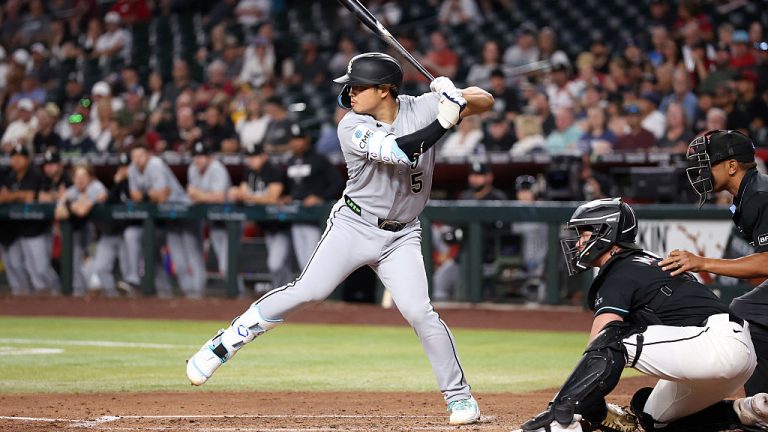
The Chicago White Sox reached the 50-game mark at 26-24, a place that would have sounded ambitious when camp broke in Arizona.
They reached that point coming off a Crosstown series that felt bigger than another May weekend. The White Sox took two of three from the Cubs at Rate Field, drew three straight crowds of more than 38,000 and turned Sunday’s deficit into one of their most memorable wins of the season.
Edgar Quero’s walk-off homer finished it, but the series also included Tristan Peters’ first career homer, two Munetaka Murakami home runs and another strong Davis Martin start in one of his most visible outings of the year.
The Seattle series that followed showed the other side. Chicago stole a 2-1 win Tuesday after being no-hit for five innings, then dropped a winnable rubber match Wednesday after leaving nine runners on base and wasting a bases-loaded chance with no outs.
The White Sox are flawed, but competitive. They are no longer spending every night trying to keep the score respectable. They are winning games they used to lose and losing others because they missed chances to win them.
After 121 losses in 2024 and 102 more in 2025, the White Sox will take it. Through 50 games, they have shown more than early-season noise. The middle of the order looks real, Martin has given the rotation an anchor, and young players are forcing their way into meaningful roles.
The clubhouse also looks more connected, which is easier to take seriously now that the wins have followed. Venable has not had to sell belief as much as create room for it, and the roster has started to respond.
The first 50 games of Chicago’s season showed the early stages of the rebuild beginning to impact the major league roster.
The Middle of the Lineup Has Changed the Offense
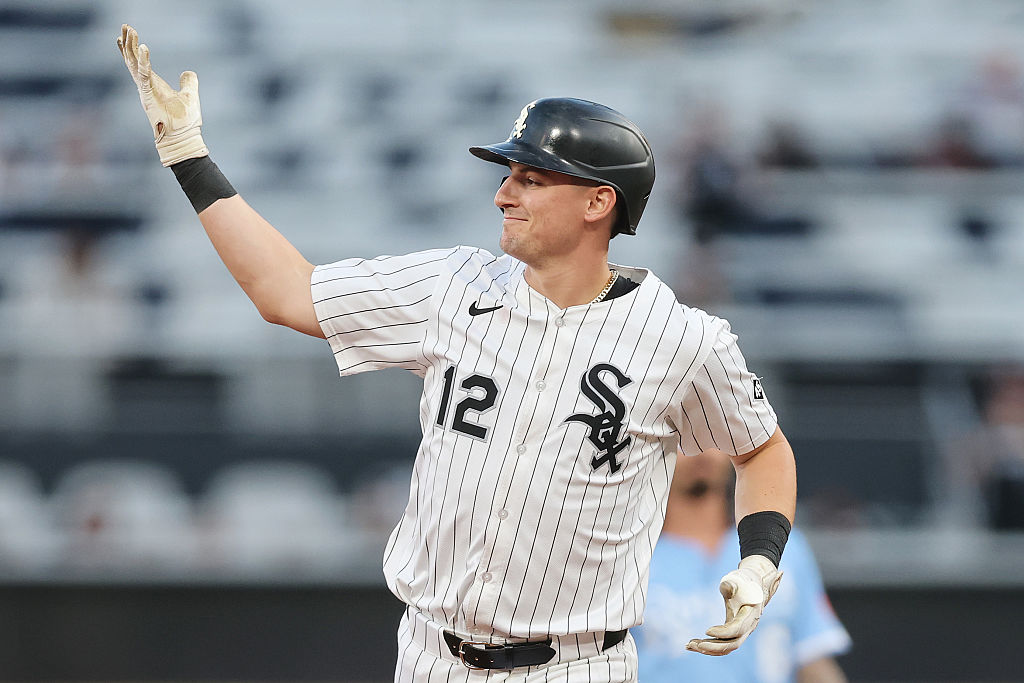
The biggest shift has come in the middle of the order.
Colson Montgomery, Murakami and Miguel Vargas have given the White Sox a trio few teams have matched over the last month. Since April 17, all three rank inside the top 10 in fWAR among position players. Vargas ranks sixth in that stretch. Montgomery ranks seventh. Murakami ranks eighth.
That is the kind of cluster the White Sox have not had in years.
Murakami leads the American League this season with 17 home runs. Montgomery is tied for sixth with 13, while Vargas is tied for 10th with 11. The White Sox are not being carried by one hot bat anymore. They have three hitters forcing opponents to think differently about the middle of the order.
Murakami has brought the force the White Sox paid for. His swing-and-miss will always be part of the profile, but the contact quality has made the tradeoff worth it. Since April 17, he has hit .287/.410/.626 with a 185 wRC+. He has also walked at a 16.5 percent clip in that span, which keeps his profile from becoming too dependent on home runs.
Vargas has made his own adjustment after a rough opening stretch. Since April 17, he has hit .282/.412/.564 with nine homers, a 172 wRC+ and a 16.2 percent walk rate. His at-bats have slowed down. He is getting into better counts, doing more damage on pitches he can handle and giving the White Sox another hitter who looks settled in the middle of the order.
Montgomery’s rise has already been covered in more detail. He has paired big home run power with well-above-average defensive value at shortstop. Since April 17, he has slugged .552 with a 145 wRC+. The strikeouts remain part of the package, but the impact contact has given the White Sox a premium-position bat with enough power to anchor a lineup.
The way Venable has arranged the group has helped. Sam Antonacci has often set the table at the top, while Chase Meidroth’s contact skills give the lineup another on-base look near the middle.
Since April 17, Antonacci has hit .299 with a .400 OBP and a 138 wRC+, while Meidroth has hit .286 with a .359 OBP and a 113 wRC+. Sandwiched around Murakami, Vargas and Montgomery, that pairing gives the White Sox more than raw power. It gives the lineup enough talent at the top to make the heart of the order harder to pitch around.
Andrew Benintendi has also stabilized since April 17, hitting .273 with a 103 wRC+ after a rough start. Peters, Drew Romo, and Randal Grichuk have added timely damage behind the main group.
That has been the offensive lesson. The White Sox are no longer waiting for one hitter to save them. They have a real middle, and they have enough table-setting around it to make the power matter.
The Supporting Cast Has Made the Roster Work

The White Sox have dealt with injuries, but the roster has absorbed more than it would have in recent seasons.
Antonacci has been central to that. His on-base ability and baserunning fit the identity Venable has pushed since spring training. He has also become part of the clubhouse personality, right down to Benintendi copying the tape on his helmet and immediately getting results. It is a small thing, but this team has had a lot of small things start to feel connected.
Meidroth has brought a similar kind of usefulness. He is not in the lineup to slug. He is there to control at-bats, move around the infield and keep the offense from becoming too dependent on the home run.
The catching situation has held together better than expected. Kyle Teel’s right LCL sprain is expected to cost him several weeks, which could have created a larger issue after he already missed the start of the year.
Romo has helped soften the blow with some timely production. Quero has struggled for most of the season, but his walk-off homer against the Cubs gave the White Sox one of their biggest moments of the first quarter and bought him some breathing room.
Peters has become more than a placeholder. His defense has been excellent, with +5 Outs Above Average and a +5 Fielding Run Value helping push him close to 1.0 fWAR, which ranks inside the top 10 among primary center fielders. The offense has started to show up in timely spots too.
He hit his first two major league homers on back-to-back days, starting with a go-ahead three-run shot against the Cubs before adding a 422-foot blast in Seattle. He has also fit the team’s small-ball identity by laying down bunts when the situation calls for it.
Derek Hill has filled a cleaner veteran role at the bottom of the roster. He has handled his defensive work, added speed and given Venable a useful pinch-hit option in spots. In some ways, he has provided the same type of steady clubhouse presence that Michael A. Taylor gave the group a year ago.
The bench has taken hits. Tanner Murray and Brooks Baldwin are done for the season, removing two utility options who would have made this roster breathe a little easier. Their absence has been felt more with Luisangel Acuña struggling to find traction.
That depth will be tested again soon. Austin Hays is on a rehab assignment after another IL stint, and Everson Pereira is also working back. Their returns could force decisions on Grichuk and Jarred Kelenic.
Grichuk has been productive in a small sample, hitting .318 with four timely homers since joining the club. Kelenic’s underlying numbers still leave some room for interest, but the roster math gets tighter when the outfield gets healthier.
That is a better problem than the White Sox have had in recent years. Injuries used to expose how thin the roster was. Now, with Hays and Pereira nearing returns, the front office has actual roster decisions to make instead of simply filling holes.
Davis Martin Is the Latest Rotation Revelation

The White Sox have had a different rotation surprise emerge in each of the last three seasons, from Garrett Crochet in 2024 to Shane Smith in 2025, and now Davis Martin is the latest arm to outperform expectations.
Martin has been the clearest stabilizer on the staff. A former 14th-round pick who missed the 2023 season recovering from Tommy John surgery, he has pitched his way from depth arm to trusted starter. After beating the Giants on Friday, Martin improved to 7-1, despite pitching what was arguably his worst game of the year. He has a 2.04 ERA, 64 strikeouts and 12 walks in 61.2 innings.
I gave Martin’s breakout a proper deep dive last week, but the shorter version is that the profile has more weight than the ERA alone.
His fastball can reach the mid-90s, while the cutter and slider give hitters a similar look before separating late. The kick change adds another firm offspeed pitch, and the whole mix works because Martin throws enough strikes to make hitters decide before they are sure what shape is coming. Chicago is 9-1 in his starts.
The rest of the rotation has been less settled, though the picture is not without progress. Noah Schultz has shown major league stuff while learning through rookie turbulence. His development will not be linear, but the White Sox should let him ride that wave at the major league level. The stuff belongs, and there is little benefit to wasting his bullets in the minors if the organization believes he can learn against big league hitters.
Sean Burke has given the club usable starts, even if Wednesday showed the fine line he walks when free passes and hit batters pile up.
Anthony Kay has been one of the quieter adjustments of May. Since moving to the opposite side of the rubber, he has looked more comfortable and has posted a 2.11 ERA this month.
Erick Fedde has been more uneven, but he still gives Chicago another veteran arm capable of absorbing innings. Both Kay and Fedde have bounced between serviceable and uneven.
Hagen Smith, David Sandlin and Tanner McDougal could also change the staff picture as the season moves forward. If the White Sox stay competitive and younger starters push their way up, Kay or Fedde could eventually shift into a different role. For now, the rotation has enough options to keep changing without forcing every decision at once.
The Bullpen Has Survived Through Churn
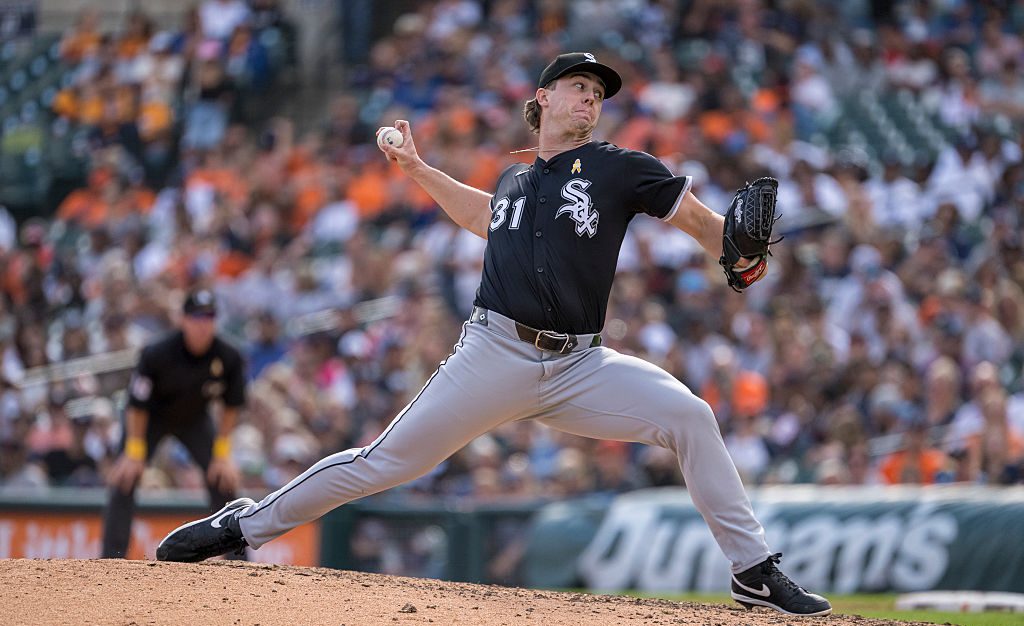
The bullpen has not been clean, but it has produced enough useful pieces to keep evolving.
Grant Taylor has the loudest stuff in the group. Even in a relief role, he ranks third on the team with 38 strikeouts and seventh with 25.1 innings. Since April 17, he has struck out 14.36 batters per nine innings with a 0.86 FIP and 1.85 xFIP. His electric finish in Seattle gave the White Sox another reminder of what his arm can look like when everything lines up.
Bryan Hudson has been one of the best relief stories on the staff, with a 1.57 ERA and a contact profile that backs up the run prevention. His Baseball Savant page has him in the 80th percentile in xERA, 94th percentile in groundball rate and 99th percentile in barrel rate (0.0%), giving Venable a left-handed reliever who can get soft contact without needing elite velocity.
Sean Newcomb has given the bullpen a bridge between length and leverage, while Tyler Davis has been a useful call-up.
Seranthony Domínguez has given the ninth inning more definition, already reaching 10 saves after no White Sox pitcher had more than seven last season. Those seven belonged to Leasure, who has since been optioned. Domínguez’s command lapses have made some finishes more stressful than necessary, but the closer role has still been more defined than it was a year ago.
Jordan Hicks has been uneven but still gives the bullpen another late-inning arm with real velocity, though his role depends on whether the strike-throwing becomes steady enough for Venable to trust him in tighter spots.
Brandon Eisert and Trevor Richards hold the final spots for now, but the back end of the bullpen has rotated all season. That leaves room for the next wave. Wikelman González, Ben Peoples and other internal arms could force looks, while Hagen Smith or David Sandlin could reshape the staff if either reaches Chicago in a relief role.
The bullpen still needs firmer roles, but there are enough arms for the group to keep evolving.
The White Sox Have Found an Identity
The White Sox have played with more aggression and more personality. Both have mattered.
The aggression has shown up in the way Venable’s group pressures defenses.
The White Sox have bunted more than most teams and have pushed for extra bases when the play is there. That approach fits players like Peters, Antonacci and Meidroth, who do not need to mirror the power bats to help the offense. Their job is to create pressure, move innings forward and give the middle of the order more chances to swing with traffic.
That approach will lead to outs, but it has also helped a young team steal runs in tight games. The White Sox are not built to wait for three-run homers every night, even with more power in the middle. They have to create pressure before the big swing arrives.
The clubhouse part has stood out too.
Mike Vasil went down in spring training and needed Tommy John surgery, which ended his season before it started. Instead of disappearing from the team, he stayed with the club and has become one of the most visible personalities in the dugout. The wand Jordan Leasure bought for him has turned into a good-luck charm, but the larger point is that Vasil has found a way to impact the team without throwing a pitch.
On a losing team, those details would feel like background noise. With the White Sox winning more often, they have become part of what makes this group feel different.
That is not a small thing after the last few seasons.


Selling at the Deadline Is No Longer a Guarantee
The White Sox might still sell if the standings push them there by July. Their first 50 games have made that decision less straightforward.
Martin is the clearest example. A controlled starter pitching this well will draw interest. He is 29, affordable and under control through 2031. Teams looking for rotation help will call.
The White Sox should listen. They do not have to force a move. Martin’s value to Chicago may be higher than what another club is willing to pay if the league views him as a strong mid-rotation arm rather than a frontline starter. Trading him would reopen a hole in the part of the roster the organization has struggled to stabilize.
Kay, Fedde, Grichuk and Hays could all become more logical trade chips depending on what the picture looks like in July. Moving from that group could clear roster space for younger players such as Braden Montgomery or Hagen Smith without tearing away from the core that has made the season more interesting.
That is where this start has changed the deadline math. The White Sox could still sell from the veteran layer of the roster while keeping the players who fit beyond 2026. If they stay close enough to contention, they could even look for a smaller buy that helps the current group without blocking the next wave. That still feels unlikely, but so did a winning record near the end of May.
That is a better deadline problem than the White Sox have had recently. It means there are players worth keeping (or at least debating keeping) instead of only players to unload.
The First 50 Games Gave the White Sox a Direction
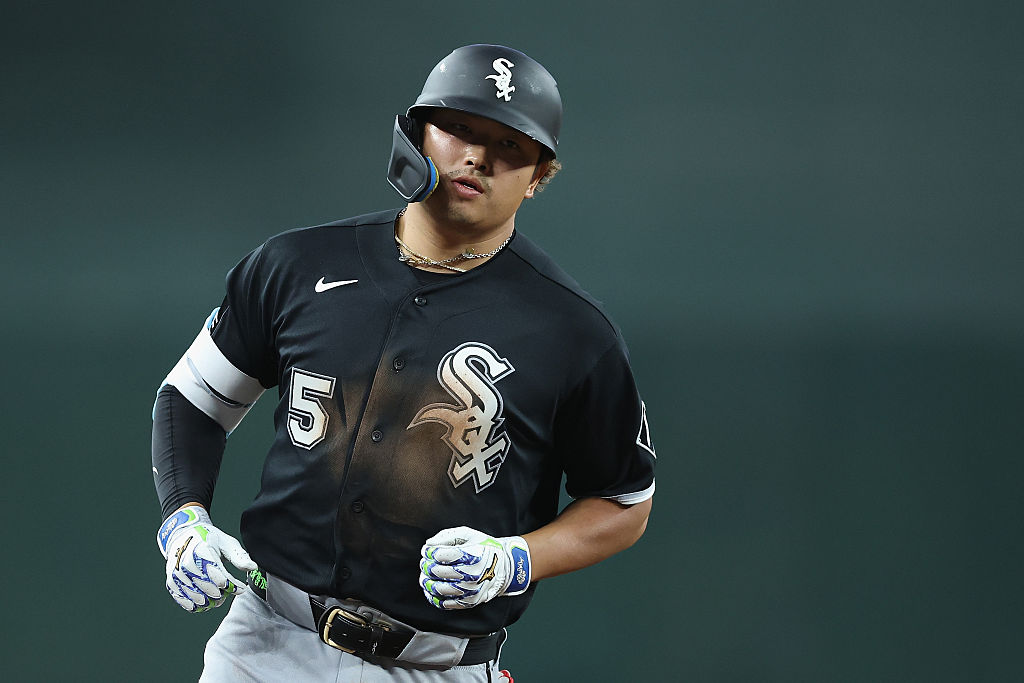
The biggest lesson is that the White Sox finally have a clearer direction.
There is still a need for more pitching depth and lineup balance. The bullpen will make some ninth innings uncomfortable, and games like Wednesday in Seattle will still happen when traffic on the bases turns into missed chances.
The roster remains unfinished, but the first 50 games gave this season a different weight than anything the organization has had in years. A tougher June stretch will show whether this start is a brief jump forward or something that can hold through the summer.
Become a Member of Just Baseball
Subscribe and upgrade to go ad-free!
* Save 25% by subscribing annually.

Written by
Adrian White covers the Chicago White Sox for Just Baseball and FutureSox. He studies sports management at Florida Atlantic University and focuses on player development and…