
Why Both Sides Agree That the MLB Lockout Is Inevitable
It sounds like MLB players and owners are bracing for what could be a lengthy work stoppage. How exactly did we get here (again)?
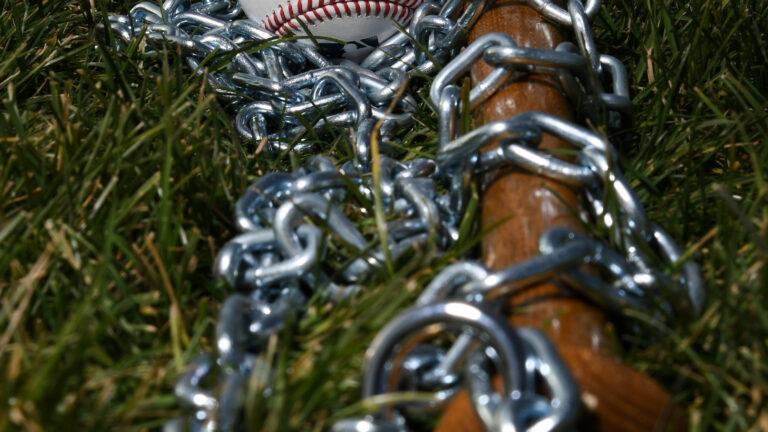
Both the players and owners are bracing for what could be a lengthy work stoppage.
The way MLB players and owners talk about the upcoming lockout has turned the discussion into a self-fulfilling prophecy. Both sides understand what the issues separating them are and also possible solutions to those problems.
But both sides are entrenched in their positions and unwilling to meet the other party somewhere in the middle. It’s now not a question of whether there will be canceled games in the 2027 season but how many. And once again, the fans of baseball and their concerns are swept to the side as if they were an inconsequential part of the equation.
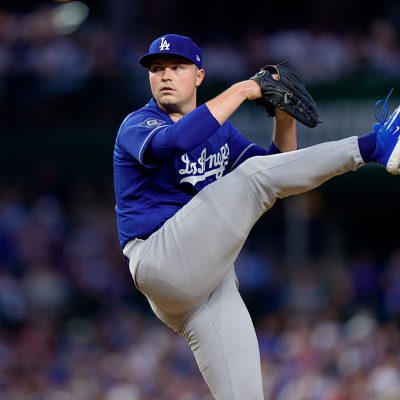

Key Issues Driving the Upcoming Lockout
The crux of the problem is that the owners want a salary cap, and the players are vehemently opposed to it. There have been ongoing negotiations, but neither side is budging from their position. If the Major League Baseball Players Association (MLBPA) and owners’ group cannot come to an agreement on a new collective bargaining agreement, the lockout will commence at midnight ET on Dec. 2.
To dive in further, the owners want a salary cap and a salary floor. Unlike the NFL, NBA, and NHL, MLB does not have a fixed salary cap. Instead, there are established luxury tax tiers that, if exceeded, teams are penalized for having too large a payroll. The owners also want a salary floor that would establish the lowest a team could spend on their player salaries.
The owners argue that these changes will make baseball more competitive and level the playing field for teams that play in small markets. The MLBPA contends that the owners’ motivation for these moves is to hold down labor costs.
Bruce Meyer, the executive director of the MLBPA, put it this way: “They want it because salary caps make their franchise values go up. The cap holds down their labor costs because it artificially suppresses salaries.”
Last Baseball Lockout and Other Issues On the Table
With negotiations at an impasse, Major League Baseball will experience its second lockout in five years. The last work stoppage of 2021-22 was settled before the 2022 season started, albeit it was a late start. A full 162-game schedule was played that season. There’s a foreboding sense that this lockout might cause the cancellation of some 2027 regular-season games.
There are other issues that the two sides are discussing, including changes to the postseason structure, the MLB drug testing program, and how often players will be required to wear microphones for game broadcasts. But the salary cap debate is by far the largest issue dividing the two sides.
The Fallout
What is the fallout from all of this? Once December hits, if there is no resolution to the impasse, there can be no contact with players on the 40-man roster, no player signings, and no trades. No other business between teams can occur until the lockout ends. Teams must also halt using the likeness of players to promote their ballclub.
Teams must also remove all player images and videos from MLB’s official website. Player images and names would also be removed from articles published on MLB.com. In addition, players on the 40-man roster of MLB clubs will be locked out of their team’s facility. That means they would have no access to the team’s trainers or physicians, or to any member of the franchise’s coaching staff.
The last MLB lockout ended on March 10 of 2022. Because it ended on that date. a full 162-game schedule was salvaged. Both sides agree that if a deal on a new contract is not reached by mid-March 2027, the chances of there being a full MLB season are highly unlikely.
Other Factors Related to the Lockout
Labor fights are mostly about money, and the stakes in this case are enormous. Annual baseball revenues are approaching $13 billion. And MLB plans to negotiate huge new national media deals once the lockout ends. The easiest way for both sides to continue making money is to ensure that there is no cessation of play.
Not to mention that any lost playing time would drive some fans away, at least temporarily. This would cause media outlets and advertisers great consternation regarding possible substantial revenue losses. The Athletic reported that a cancellation of 60 or more games during the 2027 season due to the lockout would have devastating financial ramifications for the players and owners.
This is related to the future bundling and centralization of all the franchise streaming rights and the ability to share those revenues equally. This should happen at the same time that new national media contracts are up for renegotiation in 2028. With a cancellation of 60 games or more, most of the league’s national broadcast and streaming contracts would be extended for another year, pushing the renegotiations out until 2029.
The most recent World Series has also thrown a wrench into the lockout negotiations. Spending did not equate to winning in 2026. The Milwaukee Brewers had the 19th largest payroll in 2026, and the Tampa Bay Rays placed 28th. This has fueled a discussion as to whether big-spending, big-market teams have a competitive advantage in fielding a winning team.
Is There Any Hope?
The MLBPA will most likely not agree to a salary cap without extending some pain to the owners through canceled games and lost revenue. The earliest this lockout could end is spring when economic pressures hit front and center.
Last week, the owners proposed delaying the salary cap implementation until 2028. Their rationale was that this delay would give both sides a chance to adjust to the new collective bargaining agreement. The MLBPA quickly shot down the proposal.
Hang on to your hats, folks. It’s going to be a bumpy ride.
Become a Member of Just Baseball
Subscribe and upgrade to go ad-free!
* Save 25% by subscribing annually.

Written by