
White Sox Roster Is Taking Shape Ahead of Opening Day
After an eventful few weeks of spring training, here's how the Chicago White Sox's Opening Day roster is taking shape.
 | |
| | 
The sun has set on spring training in more ways than one. The Arizona heat pushed game times earlier to stay ahead of triple-digit temperatures. Now the final game is complete, and the roster picture is coming into focus. The rotation is set and much of the lineup is in place.
Injuries to Kyle Teel and Mike Vasil changed the shape of camp. Brooks Baldwin has not played since early March with elbow soreness, and his status still hangs over the roster.
The Chicago White Sox also made a late catching move by signing Reese McGuire to complement Edgar Quero, which leaves Korey Lee’s future unsettled and could still open the door for a move from outside the roster.
On the position player side, the picture looked steady until the final day. After the cuts of Jarred Kelenic and LaMonte Wade Jr., Everson Pereira appeared to be tracking toward a roster spot before being scratched from the final game due to illness.
Derek Hill stepped in while Tristan Peters started in left field, which offered one last snapshot of a situation that remains unsettled heading into the final days. Curtis Mead also remains part of that mix as the club weighs how to balance and finalize the last spots on the bench.
The pitching staff looks mostly in place, but the final structure is not locked. Will Venable left room for movement, even with most of the group expected to break camp. The bullpen has taken shape with recent cuts as Brandon Eisert was optioned and Ryan Borucki moved on, while Tyler Gilbert trends toward the final left-handed spot.
The Rule 5 picture came into focus as Alexander Alberto was returned, and Jedixson Paez now appears set to make the team.
Chris Getz has taken a steady approach to shaping the roster this spring, and the addition of Luisangel Acuña has already stood out. He has been one of the more dynamic players in camp, showing off his speed and energy while impacting the game in multiple ways.
The Arizona heat picked up late in camp, and so did the urgency around the final roster decisions.
Now the World Baseball Classic is over, and camp is finished. We’re nearly 24 hours from Opening Day in Milwaukee, and the focus has shifted fully to what comes next. A year after arriving as a Rule 5 pick, Shane Smith is now lined up to take the ball to open the season against the team that didn’t protect him.
What remains is not about who stood out in March. It is about how the final pieces fit before the roster is set.
Outfield and Bench Fit
The final decisions on the position player side start in the outfield but extend beyond a single roster spot. What looks like a choice between Tristan Peters and Derek Hill is really a broader question about how the White Sox want to build the back end of the bench.
Peters has pushed his way into the conversation with a strong spring and encouraging underlying contact data that shows up in his contact quality and swing decisions. Hill produced strong results this spring as well, but much of that came without the same underlying impact. Peters also brings a left-handed bat, which gives him an edge in roster balance and lineup construction.
Hill offers more experience and a clearer late-game defensive role in center field. Defensively, both players are well above average and capable of handling all three outfield spots, even if Hill carries the experience advantage.

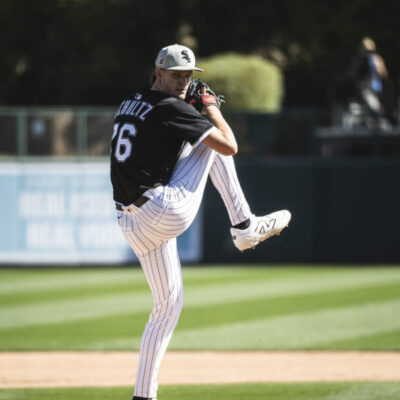
Everson Pereira adds another layer after appearing on track for a roster spot before being scratched from the final game due to illness, which leaves some uncertainty in how the group ultimately settles.
Brooks Baldwin’s injury also hangs over this decision. His elbow issue is not expected to have a major impact on the season, but it matters here because this is the type of utility role he would have been expected to fill. Until Baldwin returns, the White Sox have to account for that coverage elsewhere, and that need carries into the rest of the bench.
That is where Curtis Mead enters the picture. Keeping Mead would tilt the bench toward infield coverage and bat-first flexibility. Carrying another outfielder instead would allow Luisangel Acuña to spend more time in the infield, where he saw action during camp, while also creating a path for Baldwin to return to a reserve infield role once healthy.
The decision is not just about Peters or Hill. It is about whether the White Sox prioritize immediate infield depth with Mead or preserve more outfield coverage while sorting the infield around Acuña and Baldwin.
Peters has minor-league options, which gives the organization flexibility to move him without risk. Hill’s situation is different due to his split contract and waiver exposure. He is the type of player the White Sox would have to be comfortable losing if he does not make the roster.
That reality shifts the decision. It becomes less about Peters versus Hill and more about Hill versus Mead, with Peters positioned as a flexible depth option because of his options. The White Sox have to decide which player they are most comfortable trying to get through waivers, and which type of depth they value more at the start of the season.
There is also value in preserving depth over a full season. Over 162 games, both profiles may be needed, and keeping multiple options within the organization could influence how the final spot is handled.
There is still room for movement beyond the current roster. A waiver claim or late addition could adjust the depth at this position or elsewhere. The White Sox have left space for that possibility.
Catching Situation and Roster Ripples
The White Sox made their direction behind the plate clear late in camp with the addition of Reese McGuire. The move gives the roster another left-handed bat and a catcher the staff is comfortable throwing to, while also bringing in a player who has crossed paths with Will Venable dating back to Boston in 2022.
Venable made it clear the move was designed to complement Edgar Quero. That signals trust in Quero’s role to open the season while also giving the staff a veteran presence to steady the position early. It also reflects the current timeline of Kyle Teel, whose early-season injury removed him from the immediate picture and shifted the focus toward a more stable pairing behind Quero.
That leaves Korey Lee in an uncertain spot. Once viewed as part of the catching mix, he now sits on the outside of the roster picture. The move points to a level of discomfort with parts of his game behind the plate, which shifts him from a roster piece to a roster decision.
There are still layers to how that decision could play out. A trade remains possible, but the market is limited this late in camp. If that does not materialize, Lee likely goes to waivers where the return is minimal or nonexistent. That lowers the leverage and makes this more about roster construction than asset value.
This also connects directly to the rest of the bench. Carrying McGuire locks in the catching structure and limits flexibility elsewhere. It places more weight on how the remaining spots are used, especially with Brooks Baldwin sidelined and the infield depth still being sorted.
What began as a late-camp addition now shapes how the position will be handled to open the season.

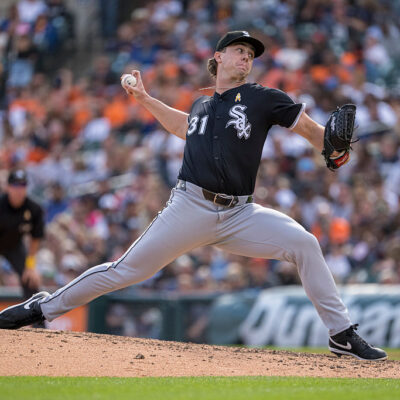
Structure of the Pitching Staff
The pitching staff appears largely in place, but the final structure is not fully settled.
The rotation has come into focus with late decisions, including Jonathan Cannon being optioned to Charlotte. That group is set to open the season, but it is unlikely to stay fixed.
Over the course of the year, the back end of the rotation is expected to remain fluid as arms like Noah Schultz, Hagen Smith, and Tanner McDougal push into the picture and contribute at different points.
That dynamic mirrors what the White Sox saw on the position player side last season. Just as the hitters brought energy and production as the year progressed, the expectation is that the next wave of pitching prospects will do the same.
The bullpen has taken clearer shape, even if the final alignment is still being sorted. Recent moves narrowed the group, with Brandon Eisert optioned and Ryan Borucki moving on. Tyler Gilbert now trends toward the final left-handed spot, while Jedixson Paez appears set to make the team.
Paez’s path changed late in camp. He was not on track to break camp earlier, but Mike Vasil’s Tommy John surgery created a need for additional coverage, which pushed the White Sox to retain their Rule 5 pick. That decision reflects both roster necessity and a willingness to carry upside into the season.
Gilbert and Paez are likely to fill flexible roles early, serving as inning eaters and potential openers when needed. Behind them, the back end of the bullpen carries more defined roles, with established relievers expected to handle leverage situations in a more traditional structure.
Will Venable acknowledged that the group is not completely finalized, which keeps the door open for a late adjustment. Even with most of the pitchers expected to break camp, the final composition of the bullpen still carries some uncertainty.
The Rule 5 picture that shaped camp now carries into Opening Day. A year after arriving as a Rule 5 pick, Shane Smith is lined up to take the ball against the team that let him go, which closes the loop on how this roster has been built across multiple seasons.
What It Means Heading Into Opening Day
What remains is not a question of roles, but of how quickly they begin to change.
The roster that leaves Arizona is built to hold its shape early while still allowing movement beneath it. There is enough structure to take the field, but not enough to keep things from shifting as the season unfolds. That balance feels deliberate.
The final days of camp were not about locking in answers. They were about establishing a starting point that can adjust as the year moves forward. Performance and availability will reshape parts of the roster, and the organization has left space for that to happen.
Opening Day in Milwaukee marks the beginning of that process. The picture is clear enough to start, but not fixed enough to stay the same.
They are in a much better place than they were a year ago. What once would have been detrimental now feels manageable. Chris Getz has built more than one path forward, and that depth should show itself across the organization as the season unfolds.
Become a Member of Just Baseball
Subscribe and upgrade to go ad-free!
* Save 25% by subscribing annually.
Written by
Adrian White covers the Chicago White Sox for Just Baseball and FutureSox. He studies sports management at Florida Atlantic University and focuses on player development and…