
Big Ten Player Profile: The Case for Ryan Cooney
Oregon's Ryan Cooney is a high-floor second base prospect that could be an asset to any MLB farm system.
 | |
| | 
The Mighty Ducks of Oregon have put together an extraordinary start to Big Ten play, starting conference play at 7-2.
Behind stellar pitching from Will Sanford and Collin Clarke, the Ducks have thrown together a team ERA of 3.46, good for the third-best in the Big Ten.
The Ducks have one of their most complete teams this season, but it is not their pitching that is featured here. Nor is it their top prospect, Maddox Moloney, but rather his middle infield partner, Ryan Cooney.
Cooney is by no means an under-the-radar player to put together a profile on; he slashed .335/.445/.500 in his 2025 campaign. He was also listed as the number one second baseman on D1 Baseball’s preseason rankings. His twitchiness comes naturally to him, he displays above-average bat-to-ball skills, and he continues to hit for power. Let’s dive in.
At the Dish
Batted Ball
Cooney has a fascinating profile. He is generating almost all of his slug on the inner half of the plate while generating his weakest contact. On the contrary, he is hitting the ball the hardest on the middle and outer third, with not nearly the results to show for it.
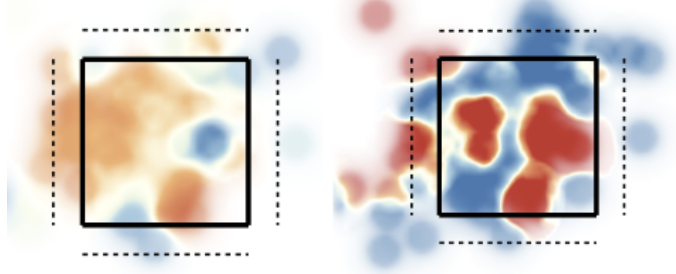
Some of this can be attributed to the fact that we are still early in the season, but his batted ball luck has seemed to cancel itself out. He is a tough punchout, striking out in just 7.4% of his plate appearances, while getting on base via the walk at the same rate.
The second baseman has a true contact-first approach, as evidenced by a 90.1% contact rate, the 2nd-best in P4 among his position group. Cooney does most of his damage catching the ball out in front of the plate, partially due to his moderately sized leg lift, which keeps him on time, but he has shown the ability to let the ball travel and still do damage.
With such a dynamic offensive profile playing a contact-driven position, Cooney’s bat-to-ball skills become that much more impressive. His ability to balance a low strikeout profile while hitting for power is rare.
Approach
His approach at the plate is not a patient one, averaging just 3.40 pitches per plate appearance. He likes to attack early and often, and that makes sense given his ability to attack fastballs and off-speed in similar capacities.
Cooney has average exit velocities of 90 mph and 90.7 mph against fastballs and breaking balls, respectively. His high BABIP figures would suggest some batted ball luck, but his number of hard outs has most of his expected averages well above his season rates thus far.
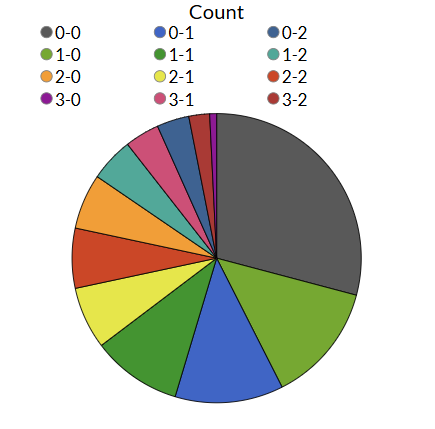
In the box, Cooney is poised and looking to attack early in counts, with over 50% of his pitch types being in either 0-0, 0-1, or 1-0 counts.
Aligning with the previous tidbit on not seeing many pitches, as well as being a tough strikeout, this information makes sense.
At the next level, however, pitch ability, velocity, and stuff will improve drastically. This aspect of his game will need some refining, more than likely, but his ability to do damage early is surely not a red flag for front offices.
Cooney, though the untraditional leadoff man, gets on base at a very good rate and hits for power. His quiet hands and leg-timed load allow him to get his lower half in proper positioning to make contact where he wants to, which is typically out in front.
His propensity to get out in front allows him to roll over a fair amount of the time, but he makes up for it with a strong line drive rate and power to all parts of the field.
In the Field and On the Bases
On the defensive side of the ball, Cooney shows immense promise as a second baseman. He’s incredibly agile and can flip his hips and fire to first base rapidly when needed.
In the above video, Cooney makes a spectacular heads-up play to abandon the out at first base and flip his body to fire a rocket to second base for the out. To make this play from traditional double play depth on a weak groundball is very impressive. It is the exact kind of play that translates to the professional level.
He gets the ball in and out of the glove, and there is zero hesitation in his playmaking ability. Relative to his position group, he has solid arm strength and has made plays deep in the hole, on the run, and in a hurry. He handles the hard-hit ball with grace and rhythm.
Ultimately, Cooney is a trusted, poised, and professional defender.
To simplify things, Cooney is an athlete through and through. His ability and willingness to make the tough play have turned him into a fun and gritty asset. Among second basemen in college baseball, he is one of the best defensively.
On the basepaths, he is a high-IQ runner who creates value through strong situational awareness. He is 8-for-9 in stolen base attempts and is averaging a run scored per game. He is great at deciphering pitcher tendencies to make quick decisions.
Baserunning is likely the most big-league-ready aspect of Cooney’s game. Combine that with strong tools in the field, and he is a high-floor prospect that can be an asset to any farm system.
Grades and Projections
- Hit: 45/50
- Raw Power: 35/35
- Game Power: 40/45
- Speed: 70/70
- Field: 55/60
- Selection Mock: Day 2
- Potential Fits: Rangers, Angels, Yankees
Become a Member of Just Baseball
Subscribe and upgrade to go ad-free!
* Save 25% by subscribing annually.
Written by