
Four Early Takeaways From the Mets’ Start in 2026
Here's what we've learned – and what we're still wondering – about the 2026 Mets through their first handful of games.
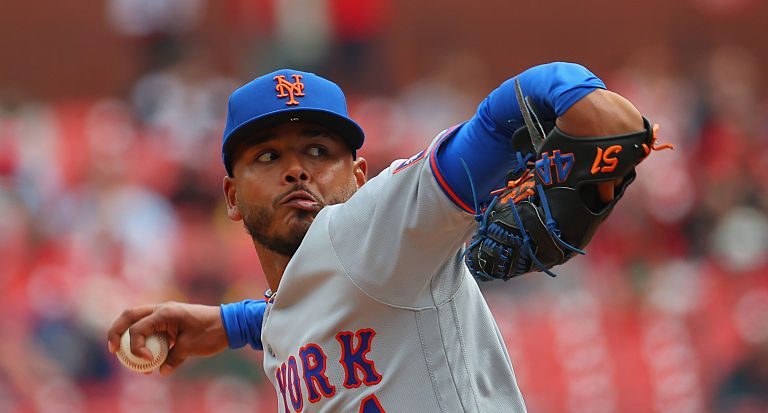
The New York Mets split their first six games of 2026 against the Pittsburgh Pirates and St. Louis Cardinals. It was only six games, but New York played several high-leverage innings, with half of its games going to extra innings. This team has been tested early, despite the calendar just flipping to April.
There is a lot to take away from the first week of the Mets’ 2026 season. Given the extent of their offseason changes, all eyes are on the new additions and how they have performed thus far.
Let’s break down four main takeaways from the first week of the 2026 campaign in Queens.
Stats update prior to games on April 3.
1. What Is Up With Bo Bichette?
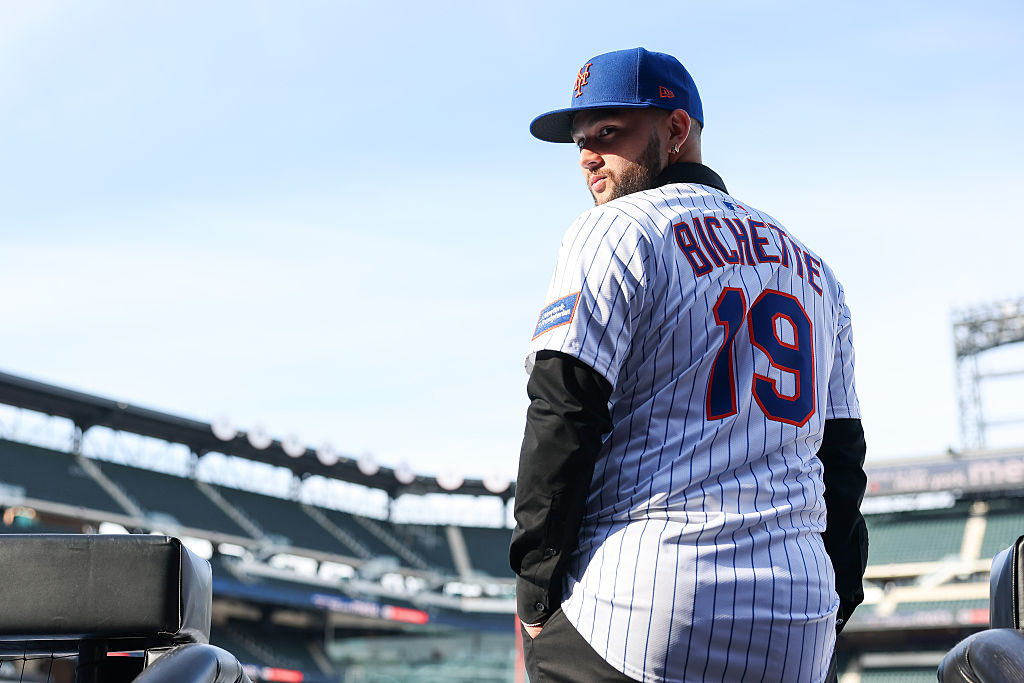
The biggest storyline surrounding the Mets early on is the performance of their top free agent signing, Bo Bichette. So far, Bichette has struggled mightily and has looked like a shell of the hitter he has been in the past.
The 28-year-old is off to a 3-for-27 start at the dish with a 33.3% strikeout rate, nearly 20 percentage points higher than what he posted last season. He is getting pitches to hit in the zone, but is either whiffing or fouling them off.
This is certainly not the hitter that the Mets signed up for at $42 million annually, and in all likelihood, it does not reflect his production the rest of the way. Bichette is too talented a hitter to sustain this level of outcome.
Bichette is the key to this Mets’ offense, hitting behind Francisco Lindor and Juan Soto. Those two are consistently getting on base, and Bichette’s role is to dig into the box and knock them home.
If this offense is going to get off the schinde, it starts with Bichette turning things around.
2. Hitting With Runners in Scoring Position Remains an Issue
It hasn’t just been Bo Bichette who has struggled to capitalize with runners on base; it has been the entire New York lineup.
As a team, they are hitting just .162 with runners in scoring position so far, failing to capitalize in key situations. That has been especially costly in its two extra-inning losses, with the Mets failing to get the automatic runner home and leaving the door open for the opposition to take advantage.
They failed to score in both the 10th and 11th innings on Wednesday against the Cardinals despite having the automatic runner on base to start the inning. Ultimately, they lost on a walk-off bloop hit off the bat of Masyn Winn. It goes to show that with today’s extra inning rules, just putting the ball in play can make all the difference and determine a win or a loss.
This troubling trend has plagued the Mets in recent seasons and was a targeted area of improvement for them this offseason. David Stearns and the front office specifically pursued hitters with a track record of producing in run-scoring situations in an effort to address the longstanding issue.
Again, it is early, and at this point in the season, pitching tends to be ahead of hitting. The timely hits will come for the Mets; they just have not yet.
3. The Rotation Is Rolling
Building on the idea that pitching is ahead of hitting at this early point of the season, look no further than what the Mets’ rotation has accomplished so far.
The Mets’ starting rotation has posted a 3.06 ERA over its first 32 1/3 innings. All five starters have delivered solid efforts, led by newly acquired ace Freddy Peralta.
Kodai Senga looked sharp in his first start of the season, striking out nine over six innings of work. He averaged 96.9 mph on his fastball, a major improvement from last season and on par with the velocity he flashed when he first arrived from Japan.
Strong starts from Senga and David Peterson are crucial for their bounce-back candidacies. Add in rookie sensation Nolan McLean and the steady presence of Clay Holmes, and the upside of this rotation is evident.
If this team is going to accomplish their World Series goals this season, it all starts with their rotation putting them in position to win every day.
4. It Wasn’t Just the Freddy Peralta Trade
In January, the Mets swung a blockbuster deal for former Milwaukee Brewers ace Freddy Peralta. In that same deal, they also acquired right-hander Tobias Myers, who has sparkled so far in the orange and blue.
Serving as the long man out of the bullpen, Myers has pitched to a 1.50 ERA in his first six innings as a Met. He has limited hard contact and has pitched more than one inning in all three of his appearances.
On Opening Day, he piggybacked behind Peralta to hold the Pirates offense in check and played a key role in locking up New York’s first win of the season.
With multiple years of team control remaining, Myers’ ability to give the Mets length out of the bullpen or step into a starting role is extremely valuable. He projects as a versatile, Swiss Army knife-type arm for the Mets’ pitching staff for years to come.
Become a Member of Just Baseball
Subscribe and upgrade to go ad-free!
* Save 25% by subscribing annually.

Written by
Joe Browne is an aspiring sports journalist and is currently a sophomore at St. John's University. Joe is a lifelong Mets fan who is also passionate…