
Checking In on the Star Free Agent Bats Who Changed Teams This Offseason
It isn't always easy for a player to start a new season with a new club, especially when expectations are so high.
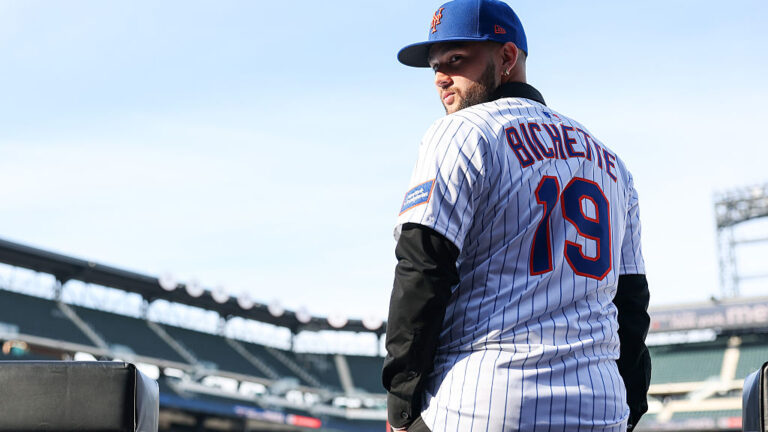
This past offseason was an eventful one for position players. Six batters earned nine-figure deals, the most since 2023, and four of them changed teams.
It’s not always easy for a player to start a new season with a new club as smoothly as they had in the past with their previous team. There are new surroundings, new teammates, and most importantly, new expectations. When a player receives a big free agent contract, they feel more pressure to perform well from everyone involved – including themselves.
This can be a difficult headspace for players to navigate. While they are still the same guy with the same skills, baseball is such a mental game. Small mental cues, like feeling added pressure to please the fanbase with every swing, can throw off the player’s approach and mechanics.
That initial, additional pressure can lead to difficulties in the player achieving the same level of performance that they were accustomed to.
In some form or another, these early-season struggles occurred for each of the four batters that signed lucrative deals this offseason and changed teams: Kyle Tucker, Alex Bregman, Pete Alonso, and Bo Bichette.
For the first month of the season, all of these players would likely tell you that they weren’t performing up to their standards. Recently, now that the everyday grind of baseball has settled in, these guys are all starting to find success.
In this piece, we’ll be examining each player’s struggles to start the season, as well as what to expect from them for the remainder of the 2026 campaign.
Kyle Tucker
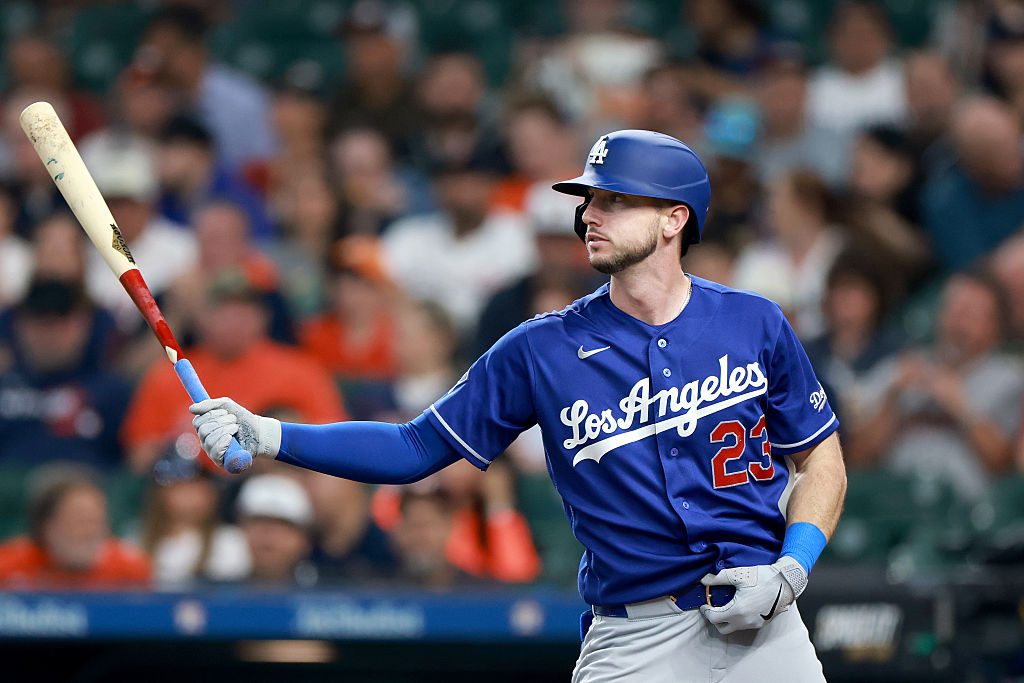
- From 3/26-4/22: 103 PA, .233/.320/.356, 3 HR, 13 RBI, 3 SB, 95 wRC+
- From 4/23-5/11: 70 PA, .276/.386/.448, 1 HR, 7 RBI, 0 SB, 138 wRC+
Tucker’s free agency case was controversial. The results on paper would tell you that this guy is a star, who, entering his age-29 season, should have found a contract that would last him until his retirement.
There were major concerns, however, about whether that production would age well, given that he had posted those excellent numbers with just league-average bat speed readings.
Tucker had been able to navigate posting solid power production with a slower bat because he was consistently recording above-average barrel rates, but if that were to taper off with age, there was real uncertainty about his value.
The Dodgers ended up signing Tucker to a lower-risk, shorter-term contract with a high AAV (four years, $240 million), to cash in on what is likely the remainder of his physical peak. Joining baseball’s best team, Tucker was arguably experiencing the least pressure of any of these free agents. The Dodgers were asking him to supplement their offense, not carry it.
But the pressure was still there. Despite clubbing three home runs, Tucker only had five extra-base hits in 103 plate appearances over the first four weeks of the season. He might’ve been selling out for the long ball, attempting to make a strong impression in LA.
In a 70-plate appearance sample since, Tucker has just one home run, but his slugging percentage is much higher. Why? Because he’s also hit seven doubles in that smaller sample, striking out at just a 14.3% clip.
One of Tucker’s best skills for years has been his plate discipline, and that will need to continue for him to make the most of his limited bat speed. So far this season, his barrel rate has dropped to 6.9%, and his hard-hit rate is a league-average 41.4%.
We’ll see if he continues to trend upward as he gets more comfortable with his new surroundings, but there are real reasons to be concerned about Tucker having a down year, relative to expectations, this season.
Alex Bregman
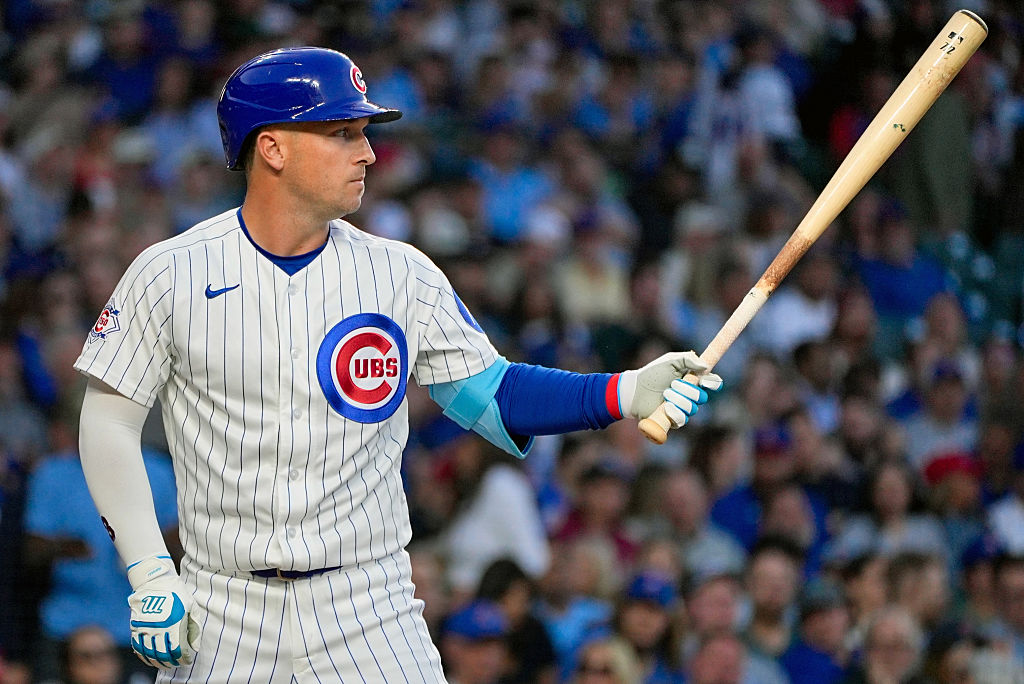
- From 3/26-4/18: 93 PA, .229/.301/.313, 2 HR, 9 RBI, 1 SB, 78 wRC+
- From 4/19-5/11: 86 PA, .237/.356/.355, 1 HR, 4 RBI, 0 SB, 104 wRC+
Since bat speed tracking began in 2022, Bregman, like Tucker, has never popped as being above-average in the metric. Bat speed is a good predictor of how well a player will age because if you aren’t swinging the bat as hard as your peers, you can’t hit the ball as hard as them, which could lead to fewer extra-base hits.
The former Astros teammates, Bregman and Tucker, are similar as hitters. Their best asset is their ability to command the zone and get on base, while being able to put up productive, but not eye-popping, power numbers.
Bregman is a few years older than Tucker and wasn’t as good as him last season, but his ability to play a quality third base got him a deal with a $35 million AAV over five years.
This season, his first with the Cubs, those power concerns have become a reality. Bregman has recorded just three home runs and a .661 OPS, good for a 91 wRC+. While his strikeout (16.9%) and walk (12.0%) rates have been good, the quality-of-contact metrics have been less impressive.
Bregman’s 6.2% barrel rate is sub-par, along with his 89.2-mph average exit velocity. His 44.2% hard-hit rate is better, but hardly elite. He has succeeded in the past with similar metrics, but he’s only managed nine extra-base hits in 2026.
Since April 19, Bregman has hit four of his five doubles this season, a sign that he’s not selling out for homers as much and hitting hard line drives instead. As he settles into his approach and the weather warms up, some of those doubles could become home runs.
The weather can be a big factor at Wrigley Field (and NL Central parks in general in April), so there’s hope that more power is on the way for Bregman. However, with his bat speed reading in the bottom 20% of the league, he’s a long shot to hit 30 homers.
Pete Alonso
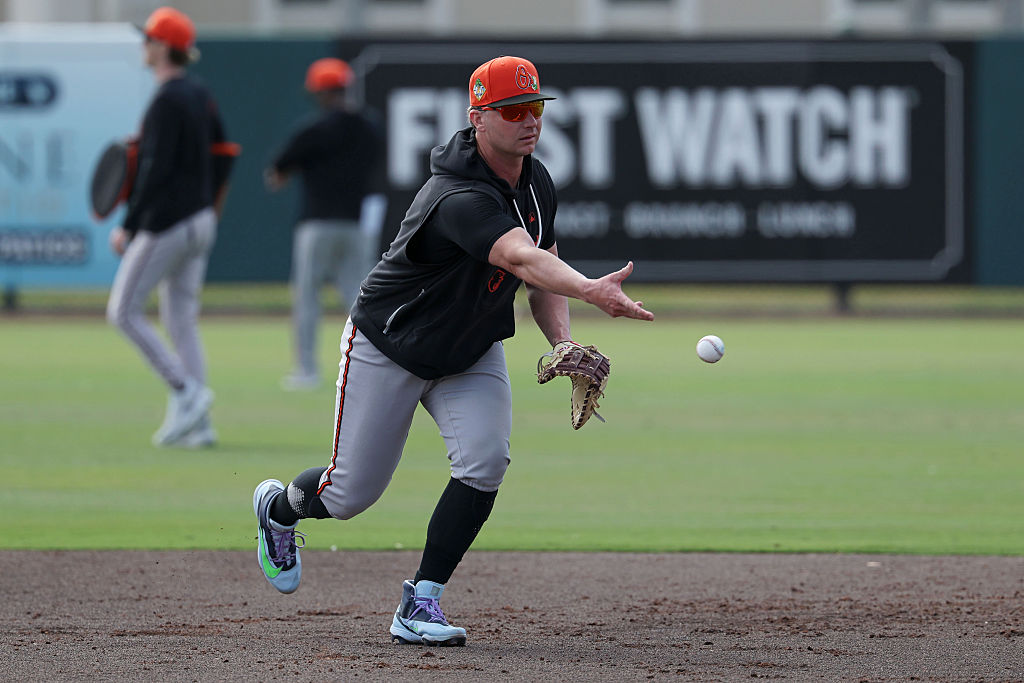
- From 3/26-4/26: 123 PA, .196/.301/.336, 3 HR, 10 RBI, 1 SB, 85 wRC+
- From 4/28-5/11: 56 PA, .240/.321/.620, 5 HR, 12 RBI, 0 SB, 158 wRC+
Alonso has hit at least 34 homers in each season since 2021, so alarm bells were going off when he had just three near the end of April. After taking some time to settle into his new digs, Alonso turned scorching hot a month into the season.
On April 28, right at the start of this hot streak, MASN’s Roch Kubatko published an article about Alonso opening up on his struggles. In that piece, Alonso said that to get right, he “just needed a ball or two to find some grass, or maybe a seat.”
He certainly knew what he was talking about, because the hits have come in bunches for the “Polar Bear” since. Nothing about this hot streak seems fluky. In fact, it was long overdue.
Cumulatively, Alonso has been torching baseballs as well as anyone in the league. His 94.3-mph average exit velocity reading is in the top 4% of baseball, and his 13.2% barrel rate is in the top 20%. He has seen a notable 1.2-mph drop in bat speed, but he’s still swinging harder than almost three-quarters of big leaguers.
Of all of the newly signed free agent bats, Alonso is playing the best and he seems to be the one most likely to finish the campaign with the most productive numbers. He wasn’t able to obtain as large of a contract because his defensive position, first base, is easier to play.
The Orioles are scuffling right now, at 19-23, but things would likely be worse if they hadn’t paid Alonso to be a force in the middle of their lineup.
Bo Bichette
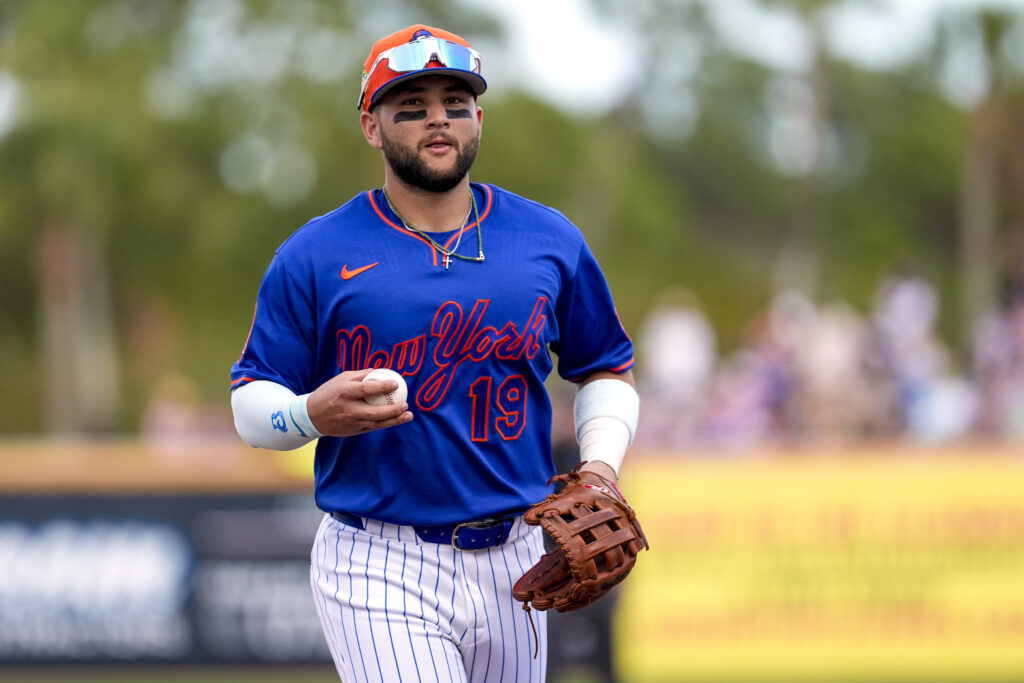
- From 3/26-4/21: 102 PA, .219/.251/.289, 1 HR, 9 RBI, 0 SB, 53 wRC+
- From 4/22-5/11: 65 PA, .227/.288/.303, 1 HR, 7 RBI, 1 SB, 72 wRC+
Bichette has been a bit of an enigma with the bat throughout his career.
From 2021-23, he posted wRC+ marks of 122, 129, and 124, respectively. Then, in an injury-shortened 2024, he posted a 70 wRC+ in 81 games.
In 2025, Bichette bounced back. He slashed .311/.357/.483 with a 134 wRC+, all at or near career-best marks over a full season. That was as good of a contract season as he could ask for, and the Mets agreed to pay him $126 million over three seasons.
So far this season, he has looked more like the disastrous 2024 Bichette. His 4.5% barrel rate ties his 2024 rate for the worst of his career. His 91.0-mph average exit velocity and 45.5% hard-hit rate are both good, but to slug, you have to get barrels. In summary, his current wRC+ mark of just 61 is a clear indication of how uneventful Bichette’s at-bats have been, generally.
Bichette has a BABIP well below his career average, as he did in 2024. He typically posts BABIP numbers between .340 and .350, but in 2024, his BABIP was .269. This year it sits at .258. He is due for some good fortune on balls hit in the park.
As for balls leaving the park, however, there’s more reason for concern. Bichette’s 55.2% groundball rate (per FanGraphs) is the fifth-highest in the league among qualified batters. His 25.4% fly ball rate is the sixth-lowest. He’s not going to hit for much power until he changes his approach and starts lifting the ball more often.
Part of the reason why Bichette was able to get a big contract was the hope that he would be a more valuable defender at third base than he was at shortstop. Yet, going to a new team and playing a new position has proven to be a massive adjustment.
While we can tell ourselves that Bichette is going through a period of change and is still hitting the ball fairly hard, I won’t feel confident in a turnaround until we see more fly balls out of him.
Become a Member of Just Baseball
Subscribe and upgrade to go ad-free!
* Save 25% by subscribing annually.

Written by
Daniel Rotter follows the game of baseball with passion. He was the youngest participant in the inaugural year of The Great Fantasy Baseball Invitational, at 17…